
Hi, I’m Abby Fielding and I’m so glad you’re here. If you’ve ever stared at a packet of seeds and wondered, “Where do I even start?” you’re in the right place. Bed Bounty was built for backyard gardeners, patio growers, and total beginners who want real food on the table without needing acres of land or perfect weather.
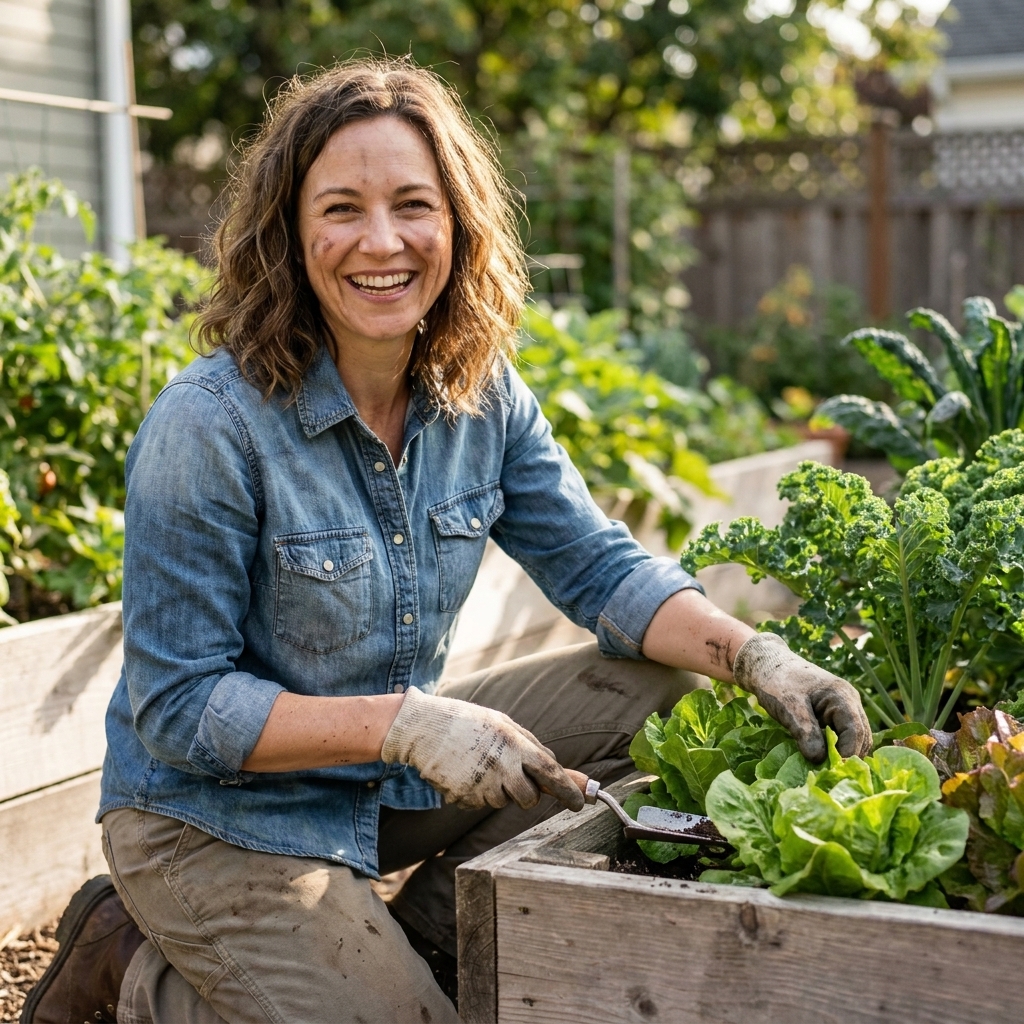
I’m an avid home gardener who has spent the last decade testing, tweaking, and occasionally messing up raised bed setups in pursuit of one goal: maximize harvests in the space I have. Raised beds are my favorite gardening tool because they make good soil achievable, they can help simplify spacing, and they turn a patch of lawn into a surprisingly productive mini farm.
I garden in a four-season, hot-summer climate (USDA Zone 7) where spring can be fickle, summers can run intense, and fall often gives a second wind. Most of what I share is built to hold up in that kind of real-life weather.
How I got into raised beds
My gardening story did not start with a picturesque homestead. It started on a small suburban patio with a few DIY wooden planter boxes, a bargain bag of “garden soil,” and a lot of confidence that was not backed by experience.
I learned quickly that plants are honest. If your soil is heavy, your watering is inconsistent, or your sun expectations are a little optimistic, they will let you know. I have grown lettuce that bolted overnight, tomatoes that looked great until the first heatwave, and carrots that came out looking like tiny pale stubs because I tried to force them through compacted soil. Those early failures were frustrating, but they were also the beginning of my favorite rabbit holes: soil health, composting, and succession planting.
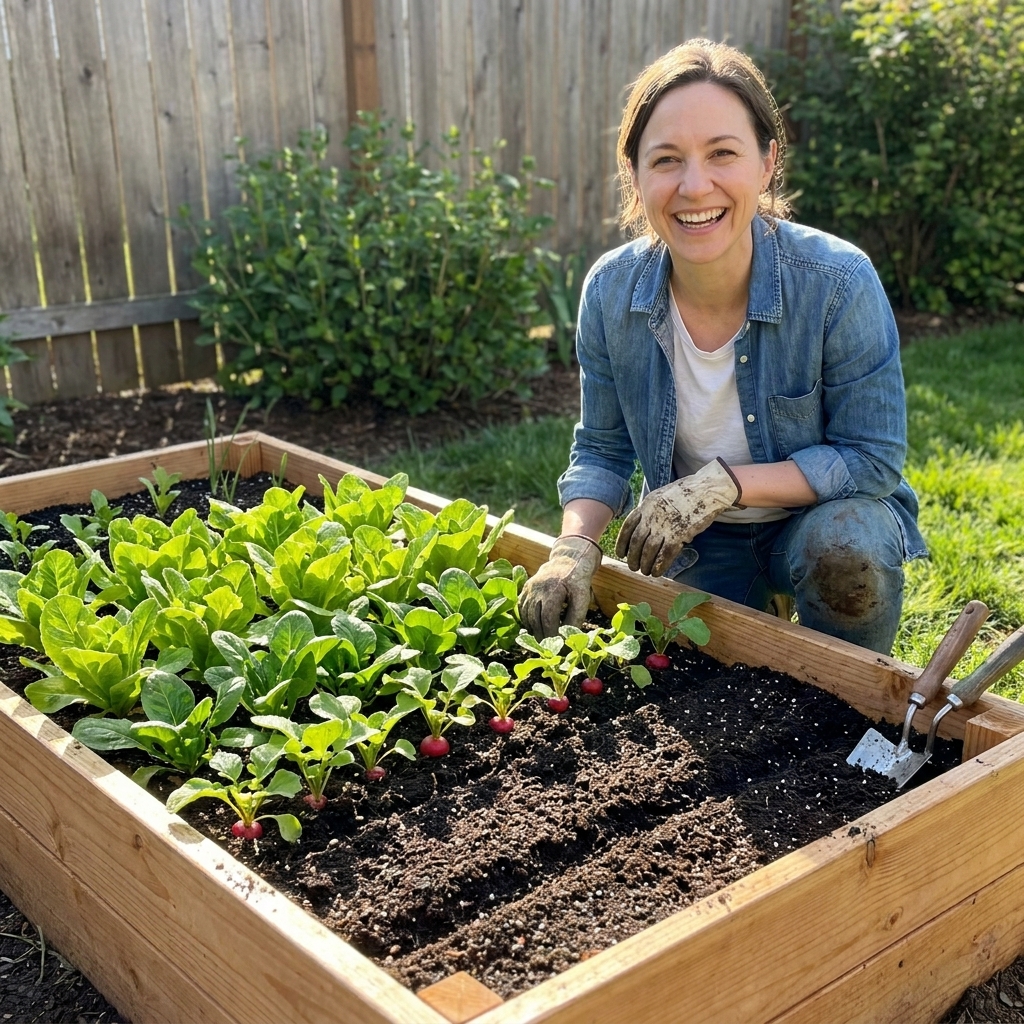
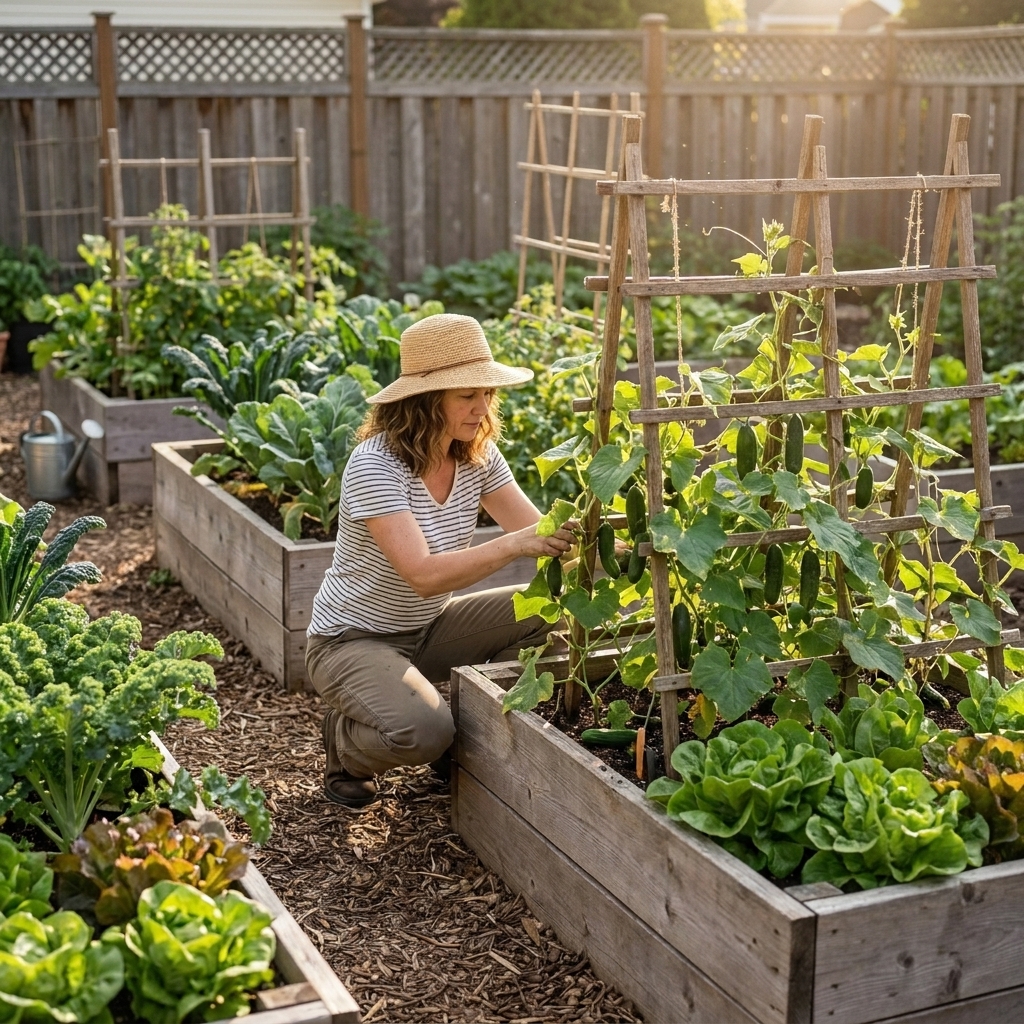
Over time, those patio boxes multiplied into a backyard full of raised beds. These days I rotate through several beds each season, focusing on the crops we actually eat: salad greens, tomatoes, peppers, cucumbers, herbs, carrots, and plenty of beans. The more I focused on building better soil and planting with a plan, the more the garden started to feel less like luck and more like a reliable system.
What Bed Bounty does
Bed Bounty exists because I believe growing your own food should be doable in real life. Not the curated version where every seedling is flawless and every weekend is dry and mild, but the version where you have a job, a busy household, surprise storms, and a tomato plant that suddenly needs staking today.
My mission is simple: help you grow more food with less stress by focusing on the three things that make raised bed gardening work:
- Soil that stays fluffy and fertile (without turning into a science project)
- Space-smart layouts that make harvesting easy and help you make the most of your light
- Seasonal timing and succession planting so beds keep producing instead of fizzling out
If you’re new here, think of me as the friendly neighbor leaning over the garden fence, sharing what worked, what failed, and what I would do differently if I were starting again.
What to expect
Most raised bed advice sounds simple until you try it. Bed Bounty is where we make it practical. You’ll find:
- Hands-on soil guidance, including how to build a dependable mix, refresh beds each season, and use compost without overdoing it
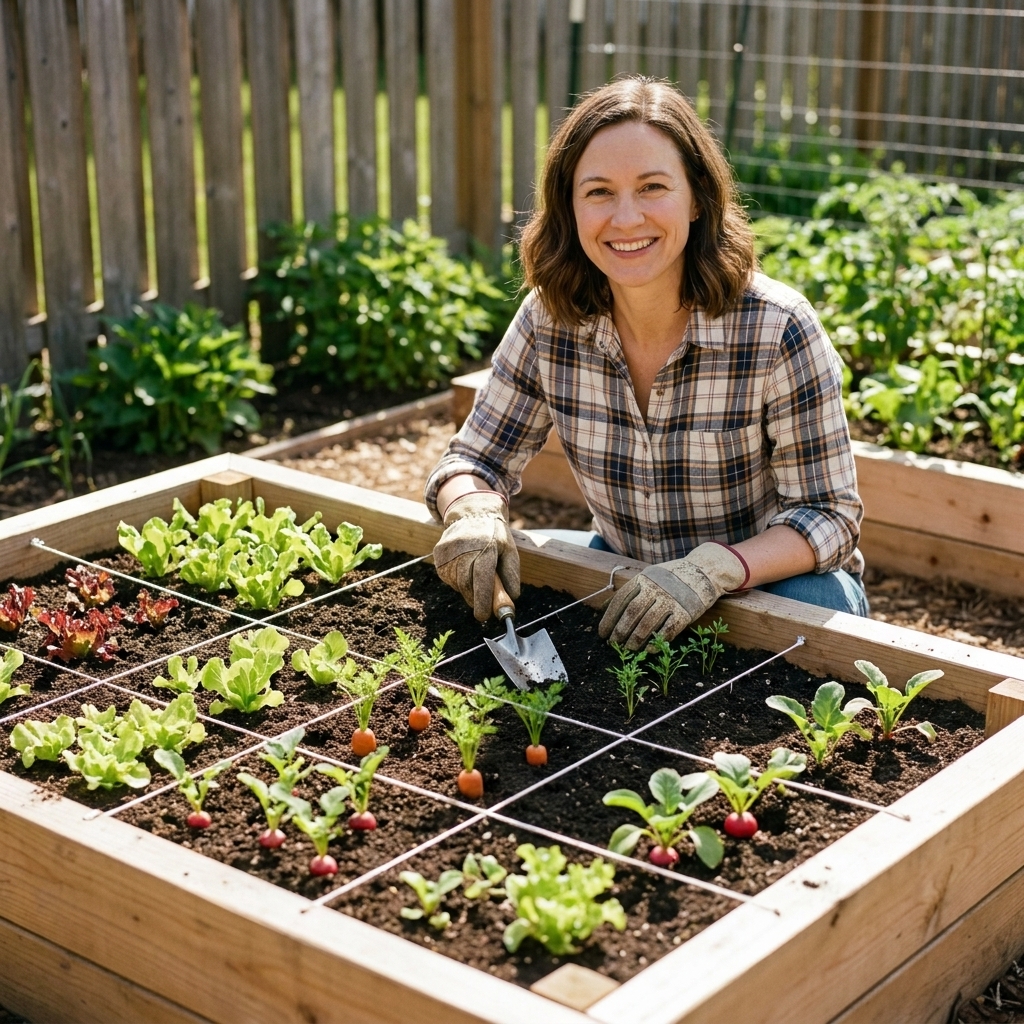
- Planting strategies for small spaces, including spacing that actually matches raised beds and not wide-open row gardens
- Seasonal game plans that help you decide what to plant next, when to start seeds, and how to keep harvesting longer
- Trellises, supports, and simple layouts that make vertical growing feel straightforward
- Honest lessons learned, because you deserve tips that survive real weather and real schedules
I also like to explain the “why” in plain language. When you understand what your soil is doing or why a plant is stalling, you can troubleshoot with confidence instead of guessing.
My approach
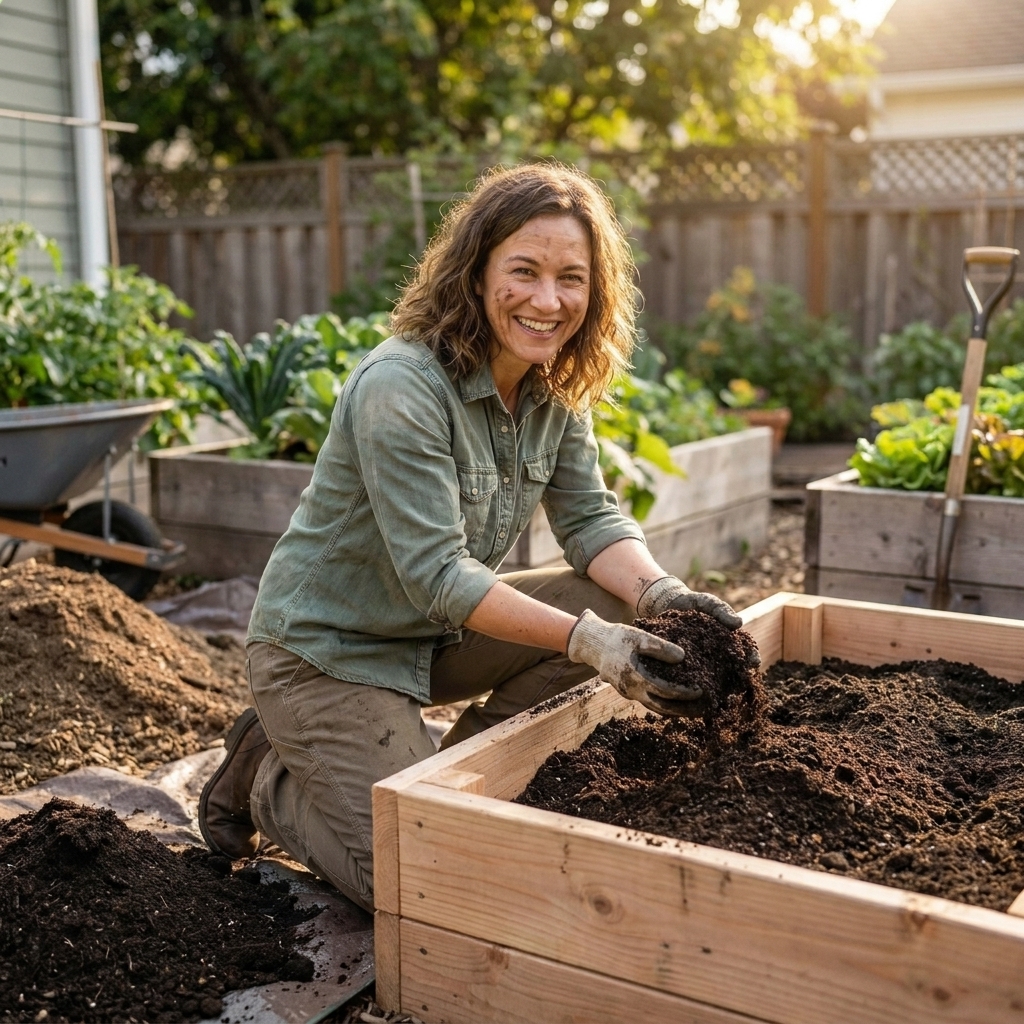
If I could pin one idea above every garden bed, it would be this: start with soil and a simple plan.
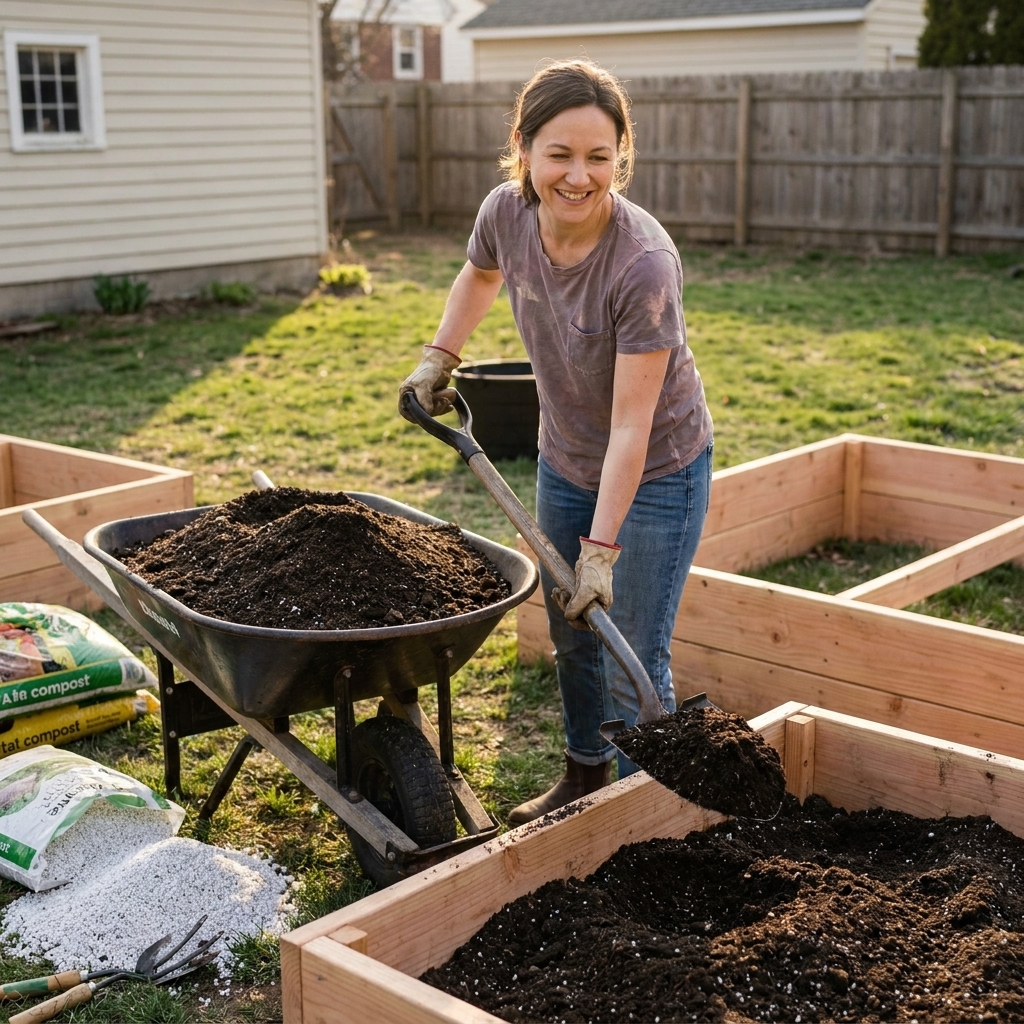
Raised beds shine because they let you control what matters most. Good soil drains well but holds moisture. It feeds plants steadily. It stays loose enough for roots, especially for carrots, beets, and even potatoes, as long as you give them enough depth and room to hill as they grow.
Healthy soil does not magically prevent pests, but it often helps plants stay sturdier and bounce back faster. That makes the whole garden easier to manage, from watering routines to troubleshooting slow growth.
My other non-negotiable is kindness to beginners, including your future self. I love ambitious gardens, but I love sustainable gardens more. Beds that are easy to reach, easy to weed, easy to water, and planted with realistic spacing are the beds that keep producing year after year.
Welcome to Bed Bounty
Whether you’re building your very first bed, refreshing a tired one, or trying to figure out why your zucchini is thriving while your peppers sulk, you’re welcome here.
My favorite moment in gardening is the one that converts people for life: pulling that first crisp carrot from a raised bed that you built and nurtured yourself. It’s equal parts magic and science, and you get to do it with your own hands.
If you want a next step, start with the basics I come back to every season: soil, spacing, and timing. From there, everything gets easier.
Happy growing,
Abby Fielding