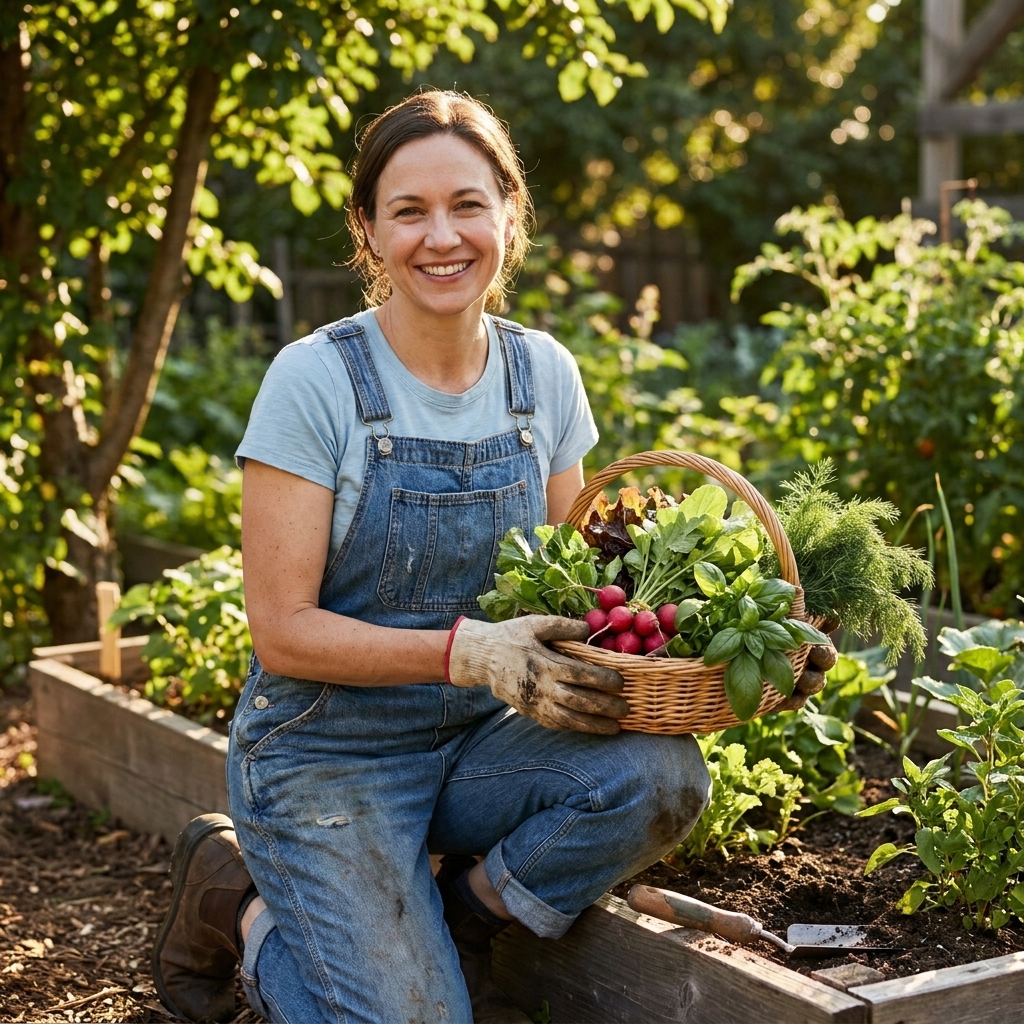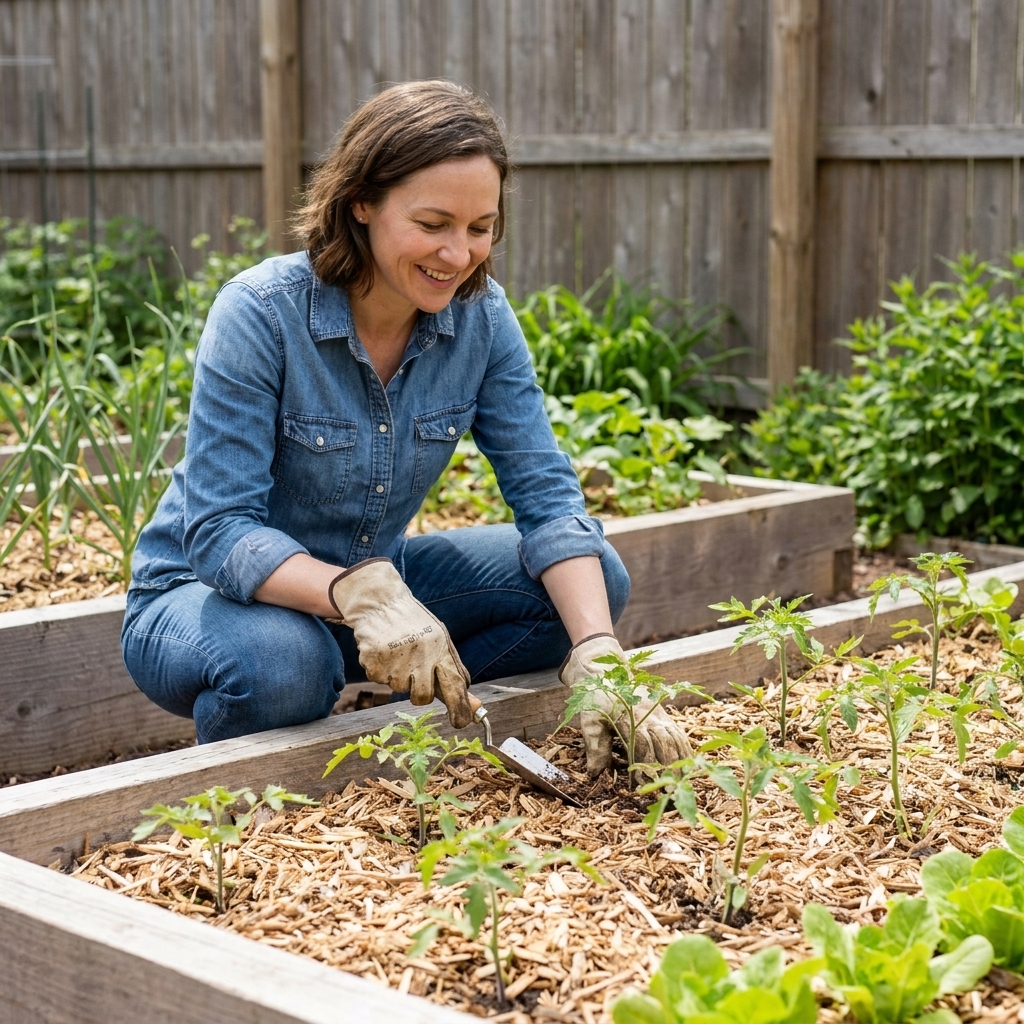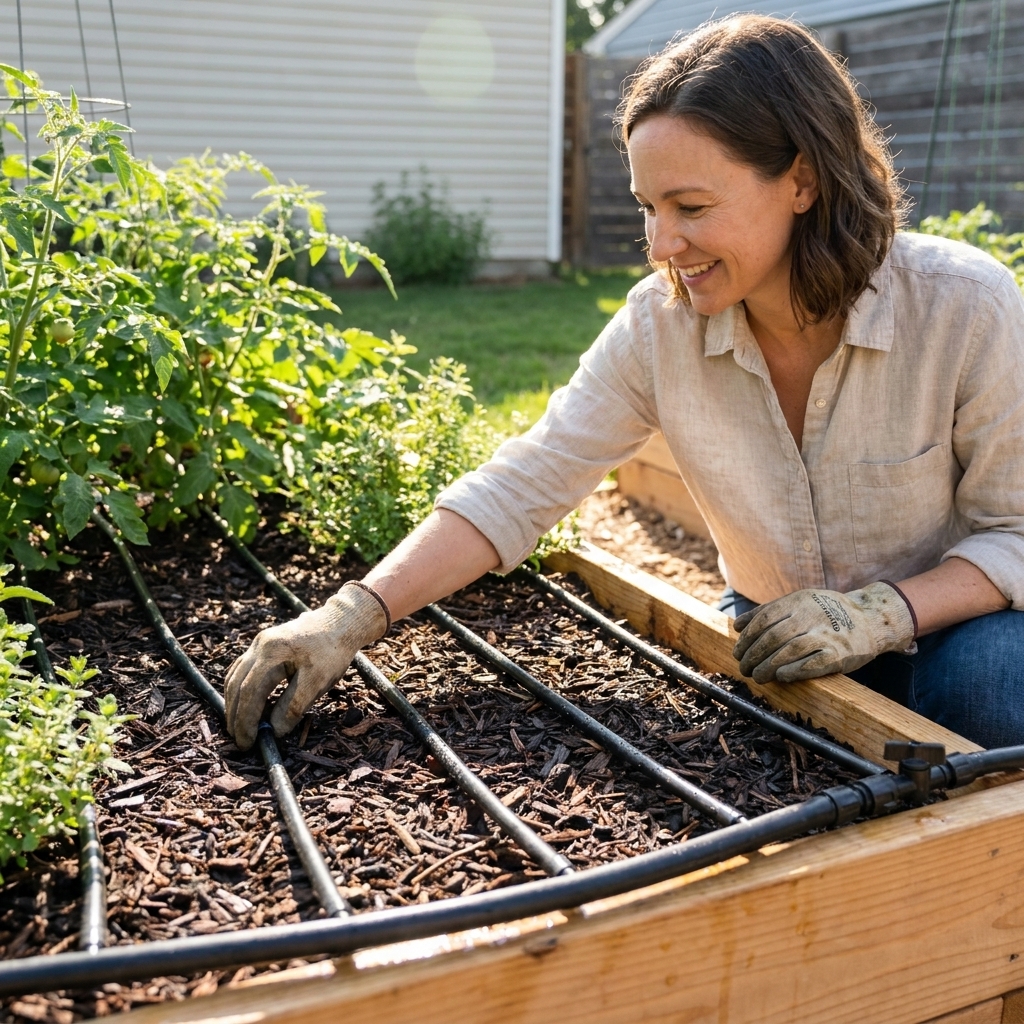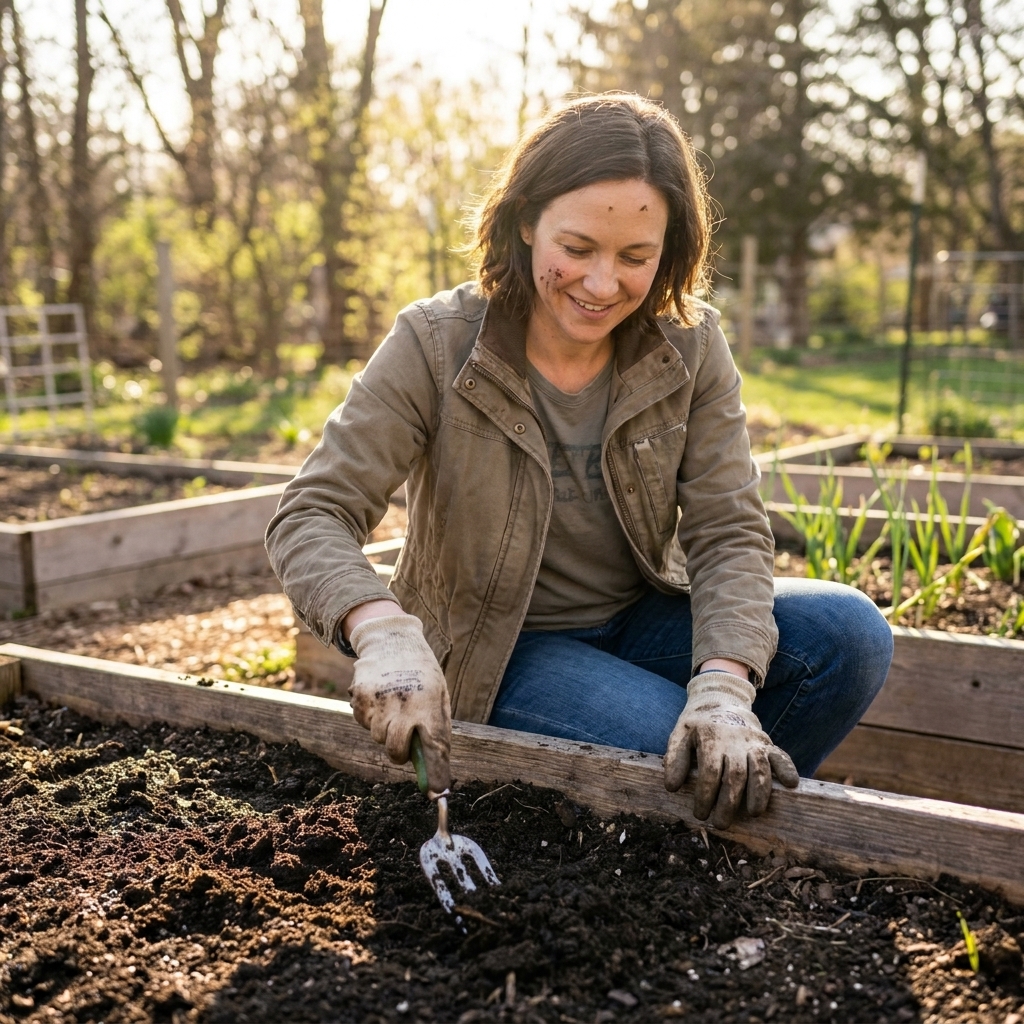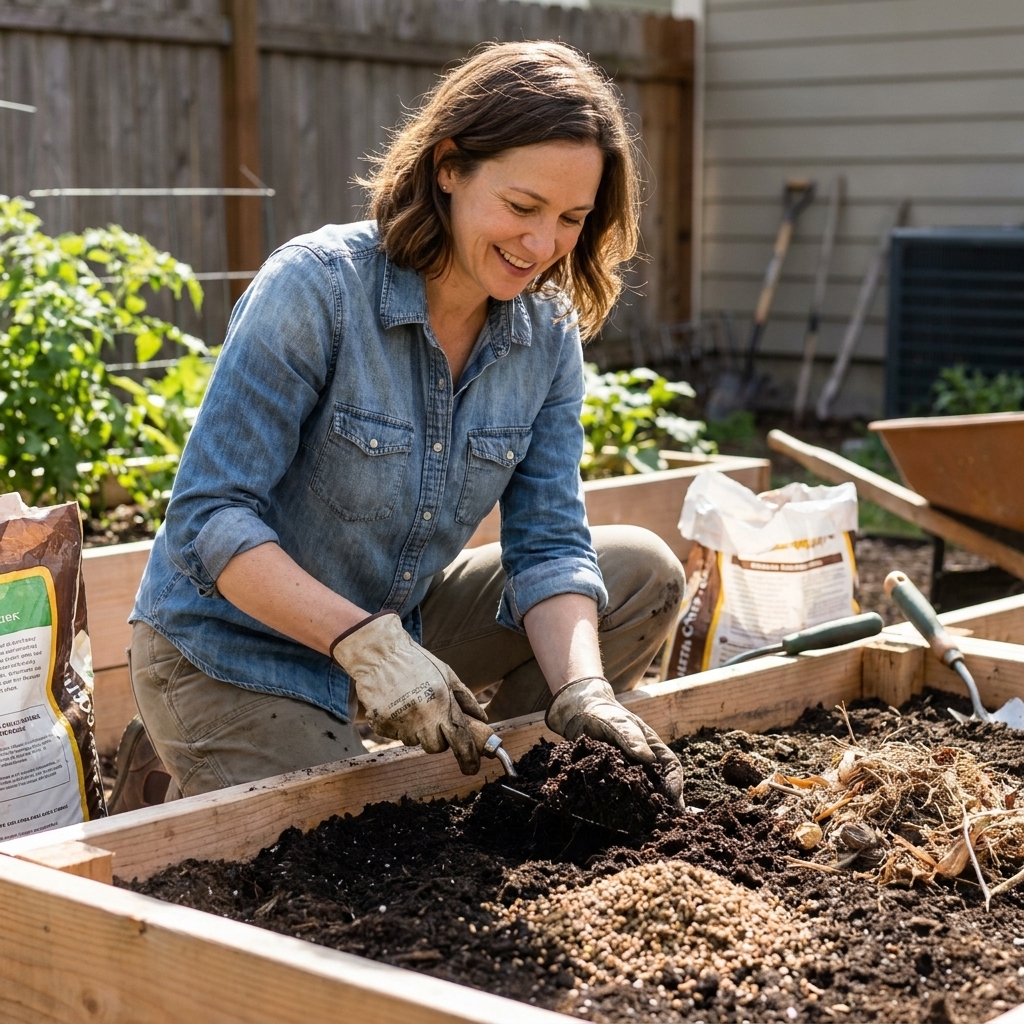

My very first raised bed mistake was planting everything on the same weekend because I was excited and had seed packets burning a hole in my pocket. Three weeks later I had an avalanche of lettuce, then a long awkward stretch of nothing but mulch and regret.
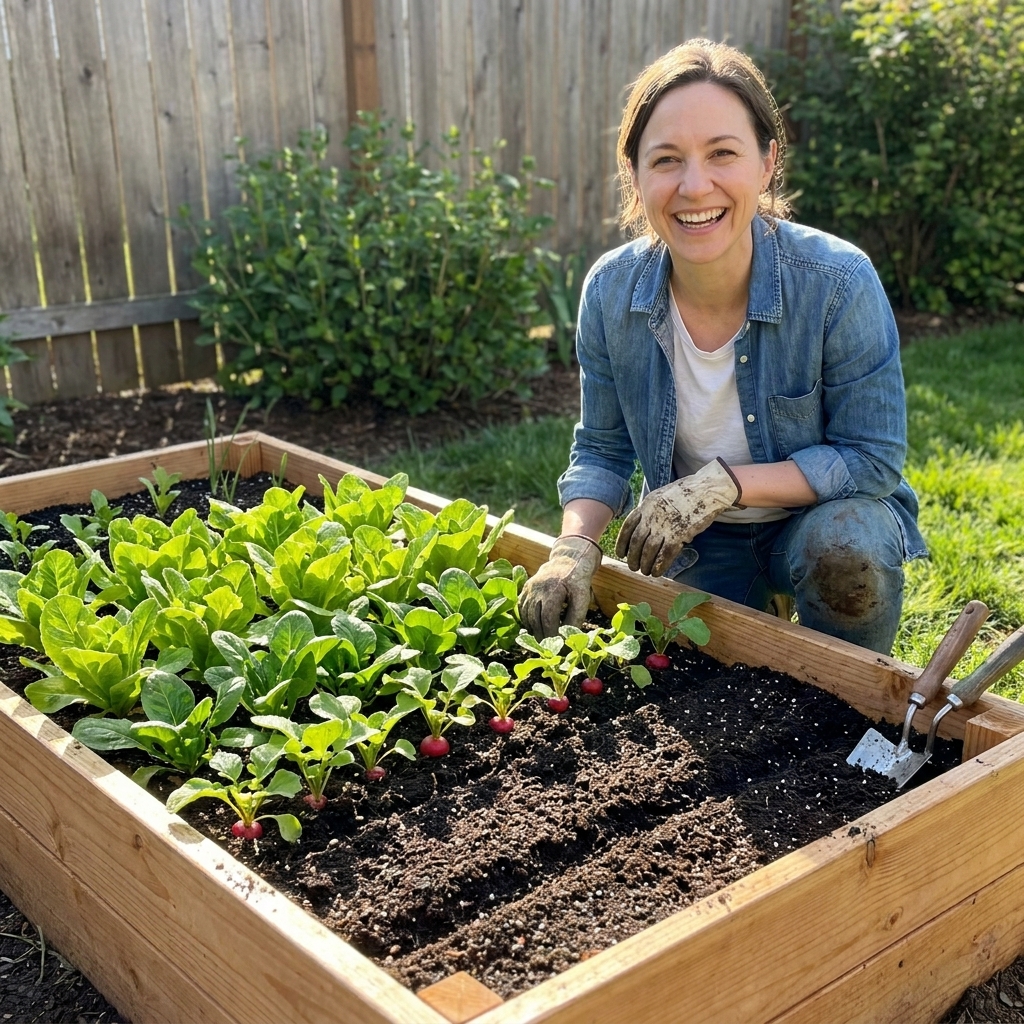
Succession planting fixes that. It is the simple habit of planting in rounds and using “vacated” spaces the moment a crop finishes. In raised beds, where every square foot counts and the soil often warms earlier than in-ground beds, succession planting is the difference between a short burst of harvests and months of steady dinner ingredients.
What it looks like
Succession planting is not one trick. It is a handful of small strategies that work together:
- Stagger sowing dates so the same crop matures over multiple weeks instead of all at once.
- Swap fast crops into gaps as soon as you pull something out.
- Follow one crop with another that fits the remaining season, like spring spinach followed by summer bush beans.
- Use microclimates in and around your bed, like the warm south edge or a spot that gets afternoon shade, to stretch seasons.
If you take nothing else from this article, take this: every time you harvest a whole plant or clear a section, that is a replanting opportunity.
Start with frost dates
You do not need a fancy spreadsheet. You need two dates and a rough sense of how long things take.
- Average last spring frost: anchors your earliest direct sowing and transplanting windows.
- Average first fall frost: tells you when the clock runs out for warm season crops, and when cool season crops can return.
Then look at seed packets for days to maturity, but treat them as a guideline. In real life, cool weather slows growth and summer heat speeds some crops up while making others bolt.
My “good enough” method
- Pick 6 to 10 crops you actually eat.
- For each crop, note whether it is cool season (peas, spinach, lettuce, radish, carrots, broccoli) or warm season (beans, cucumbers, basil, tomatoes, peppers, squash).
- Decide which ones you want as a steady supply (salad greens, radishes, cilantro) versus a big batch (storage onions, winter squash, main crop potatoes).
- Make a plan for what follows what in each bed section.
Fall timing rule I actually use: for fall planting, I pretend the seed packet’s days-to-maturity is a little optimistic. I try to have fall crops established (up and growing, not just seeded) about 2 weeks earlier than my math says, because shorter days slow things down.
Strategy 1: Stagger sowings
This is the easiest succession strategy and it works beautifully in raised beds because the soil is loose, well drained, and quick to replant.
How to stagger
- Leafy greens: sow a short row or a small block every 10 to 14 days in spring, then again in late summer for fall. Adjust sooner or later based on heat and how fast your variety grows.
- Radishes: sow every 7 to 10 days while temperatures are mild.
- Carrots: sow every 2 to 3 weeks for a longer harvest window, especially if you like baby carrots.
- Beets: sow every 2 to 3 weeks in spring or late summer.
- Bush beans: sow every 2 to 3 weeks until about mid to late summer in many climates, as long as nights are warm enough.
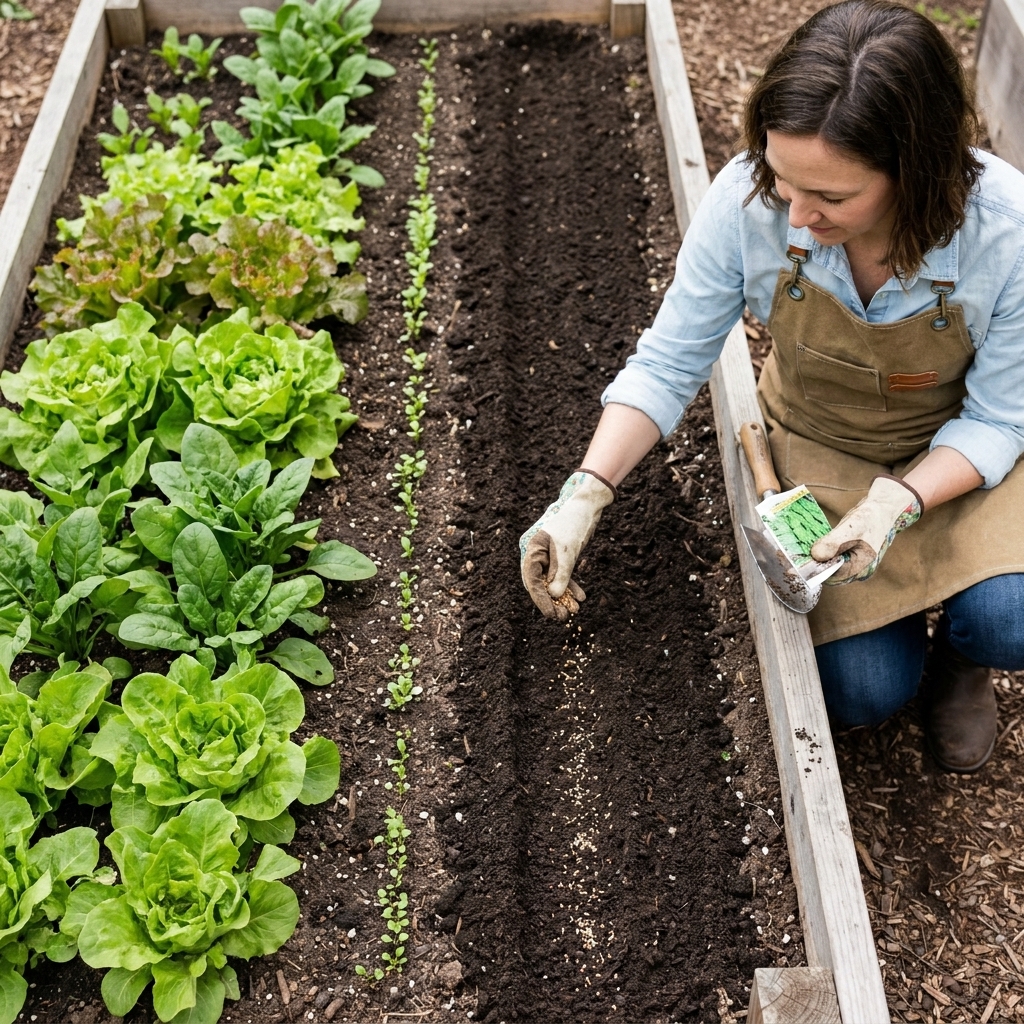
Raised bed tip: Instead of planting an entire 4 by 8 bed of one crop, break it into “lanes” across the short side. In a 4 by 8 bed, I love four lanes that are each about 12 inches wide. Lane 1 gets planted now, Lane 2 in two weeks, and so on. If you need access, leave a narrow stepping strip or make three slightly wider lanes instead of four.
Strategy 2: Crop follow-ups
This is where raised bed gardening gets really fun, like a tiny relay race where you pass the baton from one crop to the next. Here are my most reliable follow-on pairings.
Cool crops, then summer crops
- Spinach or arugula → bush beans (beans love the warming soil after greens finish, but wait until the bed is truly warm)
- Radishes → basil (radishes are in and out fast, basil fills in quickly)
- Peas → cucumbers (use the same trellis if you can, but plan on a little cleanup and give the soil time to warm up before cucumbers go in)
- Baby lettuce → peppers (lettuce acts like living mulch while peppers are small)
Warm soil note: beans and cucumbers really take off once soil is comfortably warm. If you replant too early after a spring crop, they can sulk. If you are unsure, wait until nights are consistently mild and the bed feels warm to the touch.
Summer crops, then fall crops
- Garlic (harvest midsummer) → carrots or beets (works best if you choose quicker varieties, start promptly, and make sure the days-to-maturity fits before your first frost)
- Bush beans → fall broccoli or kale
- Early potatoes → fall cabbage family transplants
- Cucumbers (when vines fade) → fall turnips or salad mix
Quick gap fillers
These are my go-to crops when a section opens up and I do not have a big plan.
- Radishes
- Salad mix or baby lettuce
- Green onions (scallions)
- Bush beans (if it is still warm enough)
- Baby bok choy (great for late summer into fall)
My hard learned lesson: try not to leave a bed bare “until you decide.” Weeds decide faster.
Strategy 3: Harvest style
Some plants can be harvested in a way that keeps them producing longer, buying you time before you replant.
Cut-and-come-again
- Leaf lettuce: harvest outer leaves, leave the center growing.
- Swiss chard: snap outer stalks, the plant keeps pushing new ones.
- Kale: pick from the bottom up.
- Herbs like basil, parsley, and cilantro: regular cutting delays flowering.
One-and-done crops
- Head lettuce
- Radishes
- Baby carrots harvested whole
- Bulb onions
- Garlic
Knowing which crops are “ongoing” and which are “clear the space” helps you schedule your successions realistically.
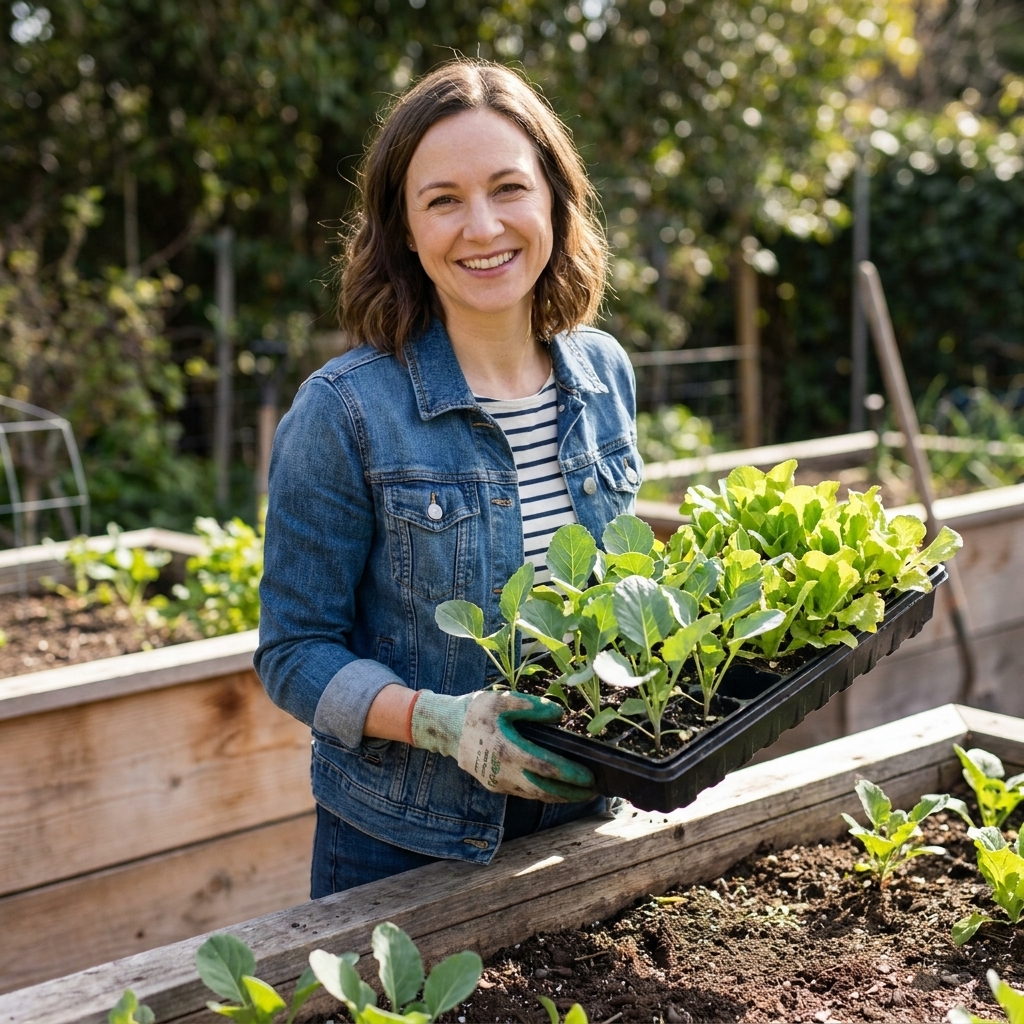
Strategy 4: Use transplants
Direct sowing is wonderful, but transplants are how you keep momentum. If you wait to seed broccoli after your beans finish, you may lose precious weeks. With transplants, you can slide the next crop in like you are changing out a relay runner.
Two ways to stay ready
- Start a small tray every few weeks: even a 6-pack of lettuce, kale, or broccoli seedlings can rescue your timing.
- Keep “backup seedlings”: I often grow a few extra plants in small pots so an empty pocket in the bed gets filled immediately.
Raised bed bonus: if your soil is rich and loose, transplants establish quickly, especially with a deep watering at planting time.
One 4 by 8 example
Here is an example layout that keeps food coming without turning your life into a spreadsheet. Divide the bed into four lanes (each about 1 foot by 8 feet) or four blocks (each about 2 feet by 4 feet). Then rotate through the seasons.
| Bed section | Early spring | Late spring to summer | Late summer to fall |
|---|---|---|---|
| Section 1 | Radishes + salad mix (staggered) | Bush beans (2 rounds) | Baby spinach or arugula |
| Section 2 | Peas on a trellis | Cucumbers on same trellis | Fall peas or leafy greens |
| Section 3 | Carrots (2 sowings) | Basil tucked around the edges | More carrots or beets |
| Section 4 | Head lettuce (2 plantings) | Peppers (main crop) | Kale or bok choy transplants |
Spacing reality check: peppers can take up more room than you think. In a 2 by 4 block you might fit two to four plants depending on variety, spacing, and whether you want airflow for disease prevention.
Is it perfect for every climate? No. But it shows the rhythm: cool crops first, warm crops in the heat, cool crops again when nights start to chill.
Fast turnover replanting
When you pull a crop, you are removing harvested biomass and disturbing the soil surface a bit. A quick reset helps the next planting take off without stalling.
My 10-minute reset
- Pull the crop cleanly, then snip stubborn roots at soil level if they do not want to come out. (Soil structure matters more than winning a tug-of-war.)
- Rake smooth and remove old mulch if it is full of slugs or disease.
- Add a thin top-dress of finished compost, about 1/2 inch.
- Water the area before planting if the soil is dry. Seeds hate dry pockets.
- Replant immediately, then mulch around seedlings or lightly cover seeded rows once they sprout.
If the outgoing crop was diseased: do not compost the leaves in a typical home pile. Bag and trash them, or only compost if you know you have a truly hot compost system that reaches pathogen-killing temperatures. I also clean my pruners, pull obvious debris, and avoid planting the same plant family in that spot next.
Water and mulch between rounds
Succession planting is basically a constant cycle of tiny seedlings next to big, thirsty plants, and raised beds can dry out faster than you expect.
- For new seedings: keep the top inch of soil consistently damp until germination. I often pull mulch back, water lightly more often, then re-mulch once seedlings are sturdy.
- For new transplants: water deeply at planting time, then keep moisture steady for the first week so roots can expand into the bed.
- For summer successions: a little shade cloth or a board over the row for a couple of days can help germination in heat, as long as you check daily.
Timing pitfalls
1) Fall crops go in too late
Fall gardening is sneaky. Shorter days slow growth, even when temperatures are ideal. I aim to start fall transplants and direct sowings earlier than my instincts want.
- Start brassica seedlings (broccoli, kale, cabbage) in mid to late summer so they are ready when a space opens.
- Direct sow carrots, beets, and greens with enough runway to size up before cold hits.
2) Heat makes cool crops bolt
Once daytime highs climb, lettuce and spinach can go from happy to flowering in a blink. In summer, I switch to heat-tolerant greens (like Swiss chard) and reserve lettuce for morning sun with afternoon shade.
3) Replanting into tired soil
Succession planting asks a lot from your bed. Compost top-dressing between rounds is the simplest solution. If growth starts looking pale or stunted, I add a gentle organic fertilizer and stay on top of watering.
Cheat sheet
Best for frequent sowing
- Radishes
- Salad mixes and leaf lettuce
- Arugula
- Spinach (spring and fall)
- Carrots (if you like continuous pulling)
- Beets
- Bush beans
- Cilantro (small sowings often beats one big sowing)
Best for swap-the-space
- Peas followed by cucumbers or pole beans
- Garlic followed by carrots, beets, or fall greens
- Early greens followed by peppers, basil, or bush beans
FAQ
How often should I succession plant?
For quick crops like radishes and salad greens, every 1 to 2 weeks is a sweet spot. For carrots, beets, and beans, every 2 to 3 weeks usually gives a steady flow without overwhelming you. Then adjust based on temperature, variety, and how fast things are actually growing in your bed.
Do I need to rotate plant families?
Rotation helps, especially for pest and disease pressure. In a small raised bed, I keep it simple: avoid planting the same family in the same exact spot back-to-back if you can. For example, do not follow cucumbers with squash in the same section, or broccoli with cabbage, if you have another option.
What if I miss my window?
It happens. When I miss a window, I pivot to a faster crop that still fits the season: radishes, salad mix, green onions, or bush beans (if it is still warm). In fall, leafy greens are my favorite save.
Can I do this with one raised bed?
Absolutely. In fact, one bed is where succession planting shines. Divide the bed into small sections, plant in rounds, and keep a short list of “gap fillers” ready to go.
The mindset
Succession planting is not about perfection. It is about staying curious and using your empty spaces quickly. If you get in the habit of asking, “What can I plant here next?” every time you harvest, your raised beds will start producing like they are twice the size.
And if you end up with another accidental lettuce flood, welcome to the club. Just call your neighbors. It is the most enjoyable kind of problem.