
If you’ve been gardening in the same raised beds for a few seasons, you’ve probably had this moment: you pull back the mulch in early spring and the soil looks… tired. It might be compacted, pale, crusty on top, or just not as fluffy and alive as it used to be. The good news is you almost never need to dump it and start over. Most “old” raised bed soil just needs air, organic matter, and a smarter nutrient reset.
I’ve been there. One spring I convinced myself I had “ruined” a bed because my peppers struggled the year before. Turns out the soil wasn’t ruined at all. It was just compacted, low on nitrogen, and a little out of balance. A few simple amendments later, it grew the best basil of my life.
First, decide what your soil needs
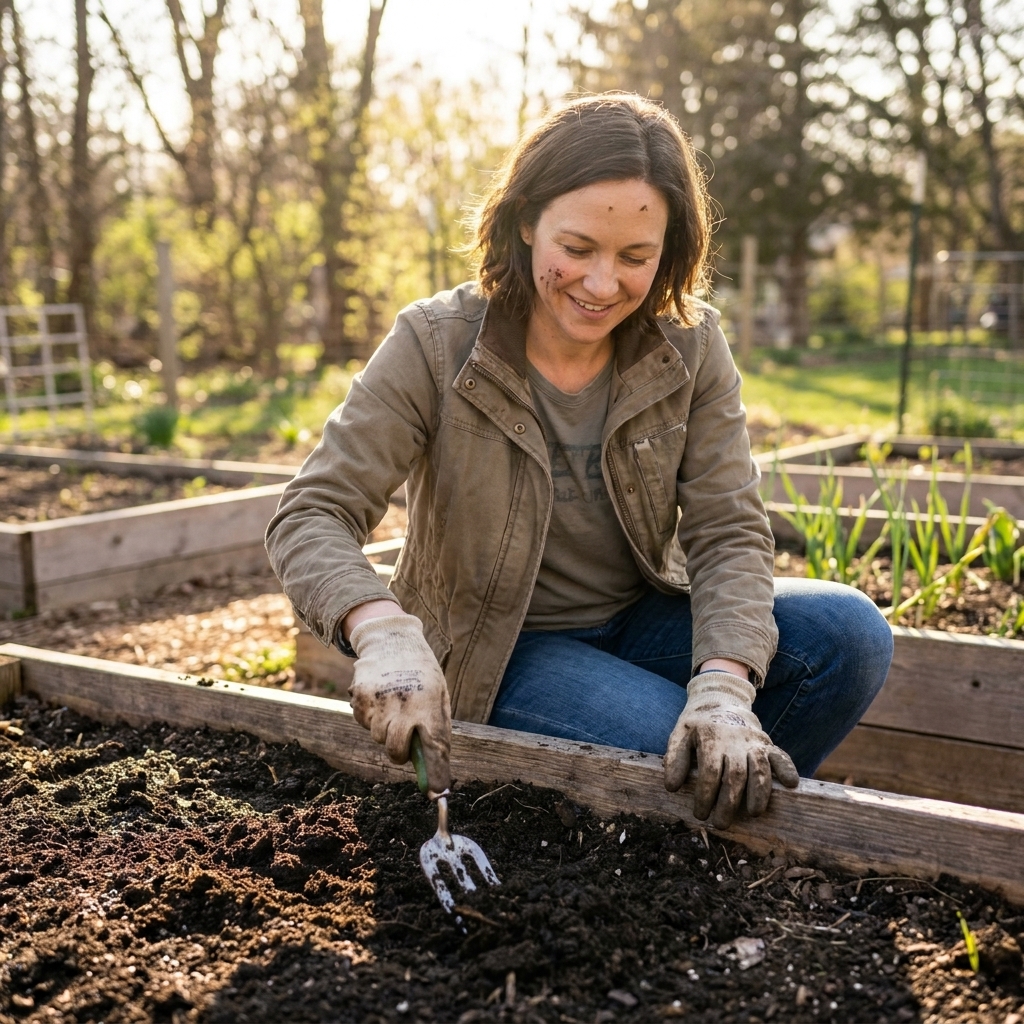
Before you add anything, do a quick check. This saves money and prevents the classic mistake of throwing random fertilizers at a problem that is really drainage, compaction, or pH. Also, work the bed only when it’s thawed and not waterlogged. If you can squeeze a handful and it forms a slick muddy ball, wait a day or two.
Do the 5-minute soil check
- Texture: Grab a handful. Does it crumble and feel springy, or does it clump like modeling clay?
- Compaction: Push a trowel or hand fork in. If it’s hard to penetrate, your roots will struggle too.
- Smell: Healthy soil smells earthy. Sour or rotten smells can mean poor drainage or anaerobic pockets.
- Life: Any earthworms, pill bugs, or white fungal threads (mycelium)? That’s usually a good sign.
- Residue: Old roots and partially broken-down mulch are fine. Slimy, matted layers can block water and air.
Consider a simple soil test
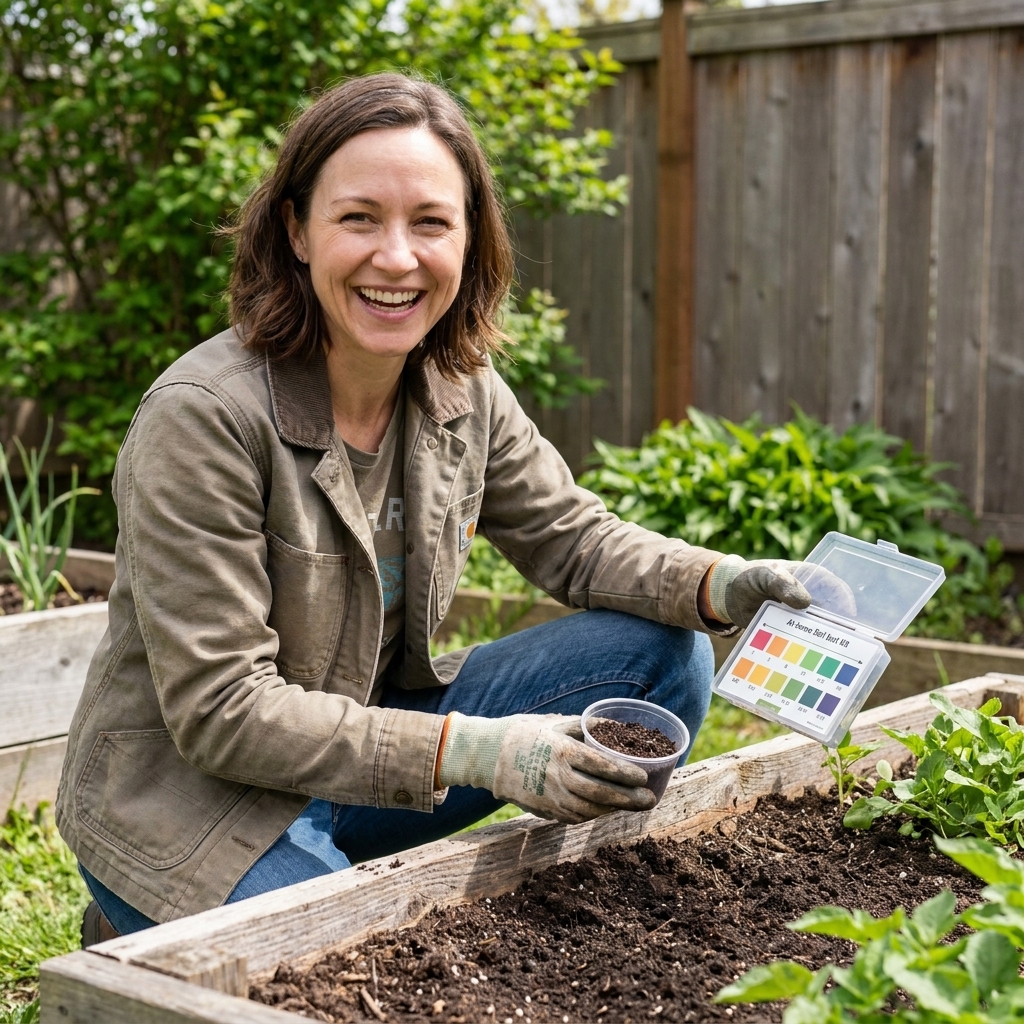
If last season had weird issues like stunted growth, yellowing leaves, blossom end rot, or poor yields, a basic test is worth it. A lab soil test is the most accurate, but even an at-home pH test can steer you away from guesswork. Moisture meters can also be handy, not for diagnosing fertility, but for spotting watering and drainage patterns that stress plants.
- Test pH: Most vegetables prefer about 6.0 to 7.0, and many tolerate roughly 5.8 to 7.2. If you’re far outside that range, plants can struggle to access nutrients even if they’re present.
- Check nutrients: Lab tests often report phosphorus (P), potassium (K), calcium (Ca), magnesium (Mg), and organic matter. Nitrogen (N) changes quickly, so treat it as something you replenish regularly.
- Salt buildup: If you’ve used a lot of synthetic fertilizer, composted manure, or your water is hard, salts can accumulate in raised beds over time.
Clear and reset the surface
Spring soil prep goes smoother when the bed is tidy. You’re not sterilizing anything, you’re just removing what could harbor disease or block airflow.
What to remove and what to keep
- Remove: Diseased plant debris, tomato vines with blight, mildewed squash leaves, any mushy material that mats down.
- Keep: Healthy chopped leaves, old mulch that is breaking down, fine roots from healthy plants (they feed soil microbes as they decompose).
- Weeds: Pull them now, especially overwintered weeds with deep roots.
If you had a serious soil-borne disease in that bed (like persistent wilt issues on the same crop family), rotate to a different plant family this year and be extra picky about removing infected residue. In most home gardens, rotation, sanitation, resistant varieties, and good airflow do more than a dramatic soil swap. Consider soil replacement a last resort, not step one.
Aerate without wrecking layers
Raised bed soil gets compacted from rain impact, freeze-thaw cycles, and us leaning over the edge (guilty). The goal is to loosen it for roots and air while disturbing the soil ecosystem as little as possible. If you can, avoid stepping in the bed. A kneeling pad, a board laid across the bed, or just sticking to the paths makes a huge difference over time.
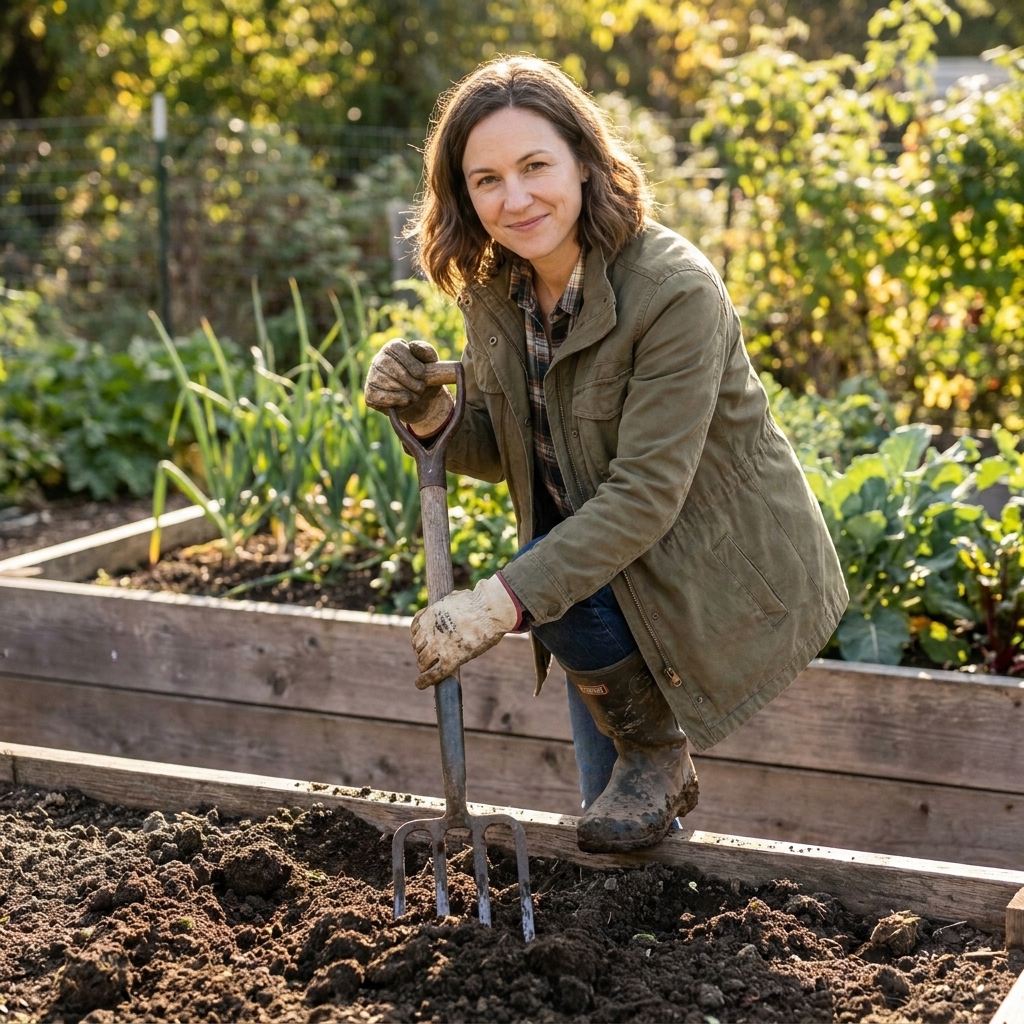
My favorite method: fork loosening, no till
- Use a garden fork (or broadfork if you have one).
- Insert it 6 to 10 inches deep.
- Rock it back slightly to lift and crack the soil.
- Pull it out and move a few inches over.
You’re not flipping layers. You’re just opening channels so spring rains, oxygen, and roots can move through.
If your bed is badly compacted
If the fork barely goes in, do not force it and strain your back. Water the bed lightly, wait a few hours, then try again. You can also loosen in two passes: shallow first (3 to 4 inches), then deeper.
Top up organic matter
If I could only do one thing to refresh an old raised bed, it would be adding quality organic matter every season. Compost is the backbone, but not all compost is the same, and variety helps.
How much compost to add
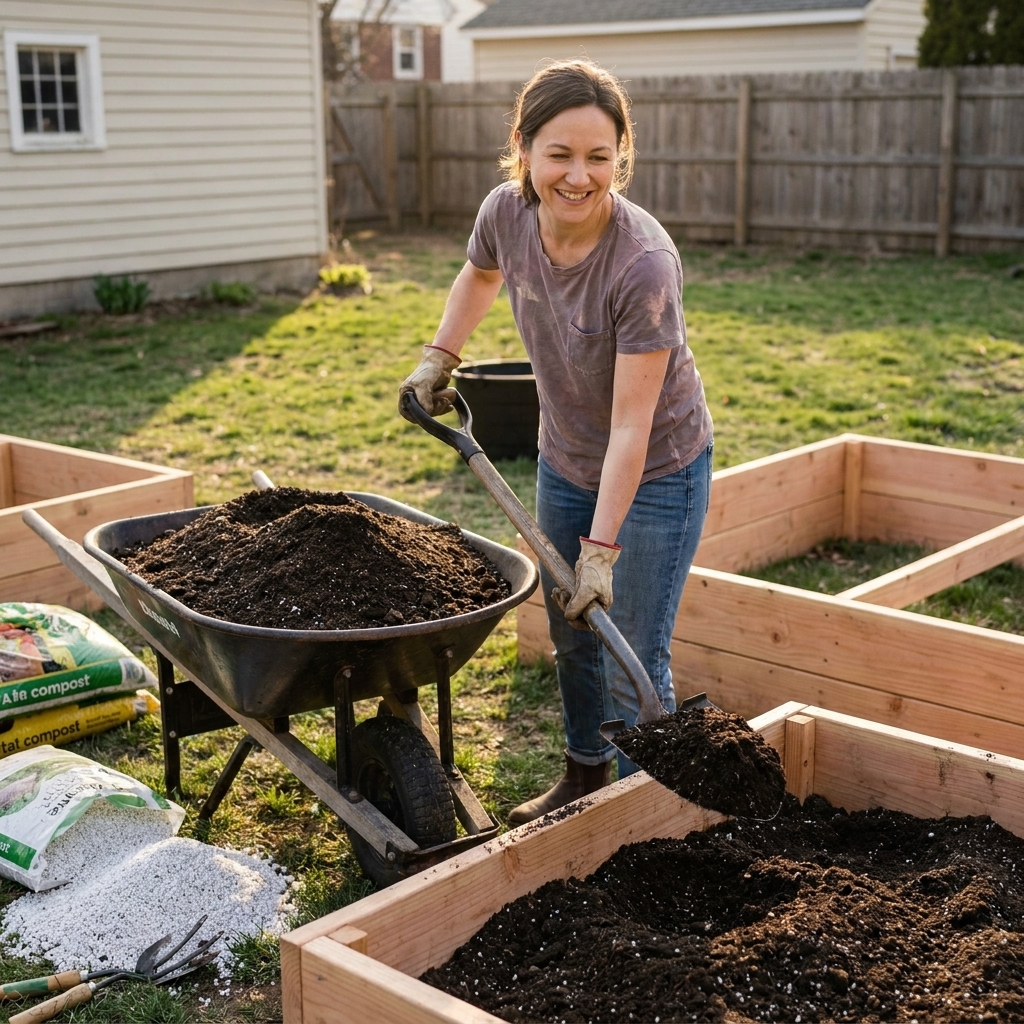
For most established beds, add 1 to 2 inches of finished compost over the surface each spring.
- 1 inch is great for beds that already have decent structure and you’ve been composting regularly.
- 2 inches helps beds that look pale, dry out fast, or have been heavily cropped (tomatoes, squash, corn, brassicas).
Choose compost that feeds soil life
- Finished compost: Dark, crumbly, earthy smell, no recognizable chunks. Best all-purpose option.
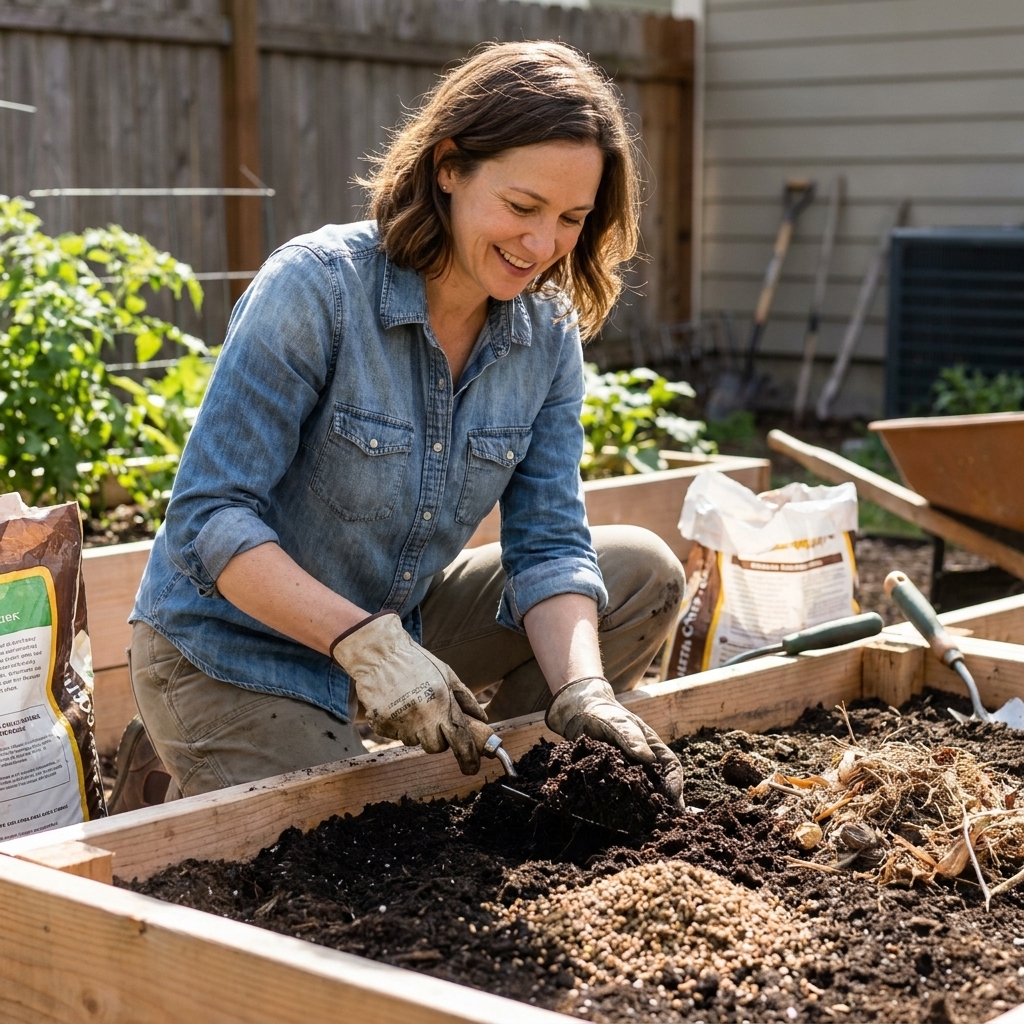
- Vermicompost (worm castings): Potent in small amounts. Think of it as a soil vitamin, not bulk material. Mix in a few handfuls per square foot or blend into compost.
- Leaf mold: Great for water retention and structure, especially in beds that dry out.
Spread your compost, then gently rake it into the top couple inches. Earthworms and watering will do the rest.
Quick safety note: If you’re spreading very dry compost or dusty amendments, consider a simple dust mask and always wash your hands afterward, especially with manure-based products.
Replace nutrients the sensible way
Plants don’t just “use up” soil, but they absolutely export nutrients when you harvest. Compost replenishes a lot, yet heavy feeders often need a little extra help, especially nitrogen and minerals like calcium and potassium.
A simple spring amendment plan
- Compost: 1 to 2 inches (your base layer).
- Balanced organic fertilizer: Mix in according to label rates for raised beds. Look for something in the ballpark of a balanced blend (for example, 4-4-4). This fills gaps compost might not cover.
- Optional slow nitrogen: If you’re planting leafy greens or brassicas, consider a gentle nitrogen boost like alfalfa meal, feather meal, or blood meal. Go easy. Too much nitrogen gives you lush leaves and fewer fruits on crops like tomatoes.
Minerals that matter in raised beds
These are worth considering when you’ve seen specific problems, or a soil test points to deficiencies.
- Calcium: Blossom end rot on tomatoes and peppers is often driven by inconsistent watering and calcium transport, not just a lack of calcium in soil. Your first-line fix is steady moisture, mulching, and avoiding extreme dry-wet swings. Add calcium when a test shows low Ca, your pH is low, or you know your mix is short on it. Gypsum adds calcium with little effect on pH in most soils. Lime adds calcium and raises pH, so only use lime if your pH is low.
- Potassium: Supports flowering, fruiting, and overall vigor. Greensand is very slow-release, so it’s better as a long-term soil builder than a quick fix. For more immediate availability, sulfate of potash or langbeinite are common options, and compost also contributes potassium.
- Magnesium: If leaves yellow between veins (especially on older leaves) and a test shows low Mg, a small amount of Epsom salt can help, but don’t use it blindly.
What I avoid in spring
- Overloading manure-based compost: It’s great stuff, but too much can mean excess salts or too much phosphorus over time.
- Guessing with strong amendments: Lime, wood ash, and “magic mineral blends” can throw your soil out of balance fast.
Water it in
After you amend, water the bed deeply enough to settle the compost and wake up soil life. If you suspect mild salt buildup, a slow, thorough watering that drains well can help flush salts downward. Do not do this in a bed that already stays soggy.
Fix common soil problems
Problem: Soil is hydrophobic
This happens when soil gets extremely dry, especially with peat-based mixes that dry out hard and become difficult to re-wet.
- Scratch the surface with a hand rake.
- Water slowly in two passes, 10 to 15 minutes apart.
- Top-dress with compost and then mulch to keep moisture steady.
- Consider mixing in leaf mold or coco coir when you add compost.
Problem: Soil stays soggy
Raised beds can still hold water if the mix is too fine, the bed is in a low spot, or there’s a compacted layer.
- Aerate with a fork to open channels.
- Add compost plus something coarse to improve pore space, like pine bark fines (not sawdust) or a chunkier, less screened compost.
- Make sure your bed isn’t sitting in standing water after rain.
Problem: You see lots of fungus gnats
They love constantly damp surfaces rich in decaying matter.
- Let the top inch dry between waterings when possible.
- Use a lighter mulch layer until seedlings are established.
- Avoid burying big chunks of kitchen scraps in spring beds.
Problem: Plants were weak and pale last year
Often it’s low nitrogen, low organic matter, compacted soil, or cold soil early in the season.
- Add compost plus a balanced organic fertilizer.
- Aerate to warm and oxygenate the bed.
- Mulch after the soil warms, not before, if you’re in a cool spring climate.
Optional: a quick cover crop
If you’re not planting a bed right away, a short cover crop window can do wonders for structure and soil life.
Good quick options
- Field peas (cool weather nitrogen fixer)
- Oats (lots of biomass, easy to chop and drop)
- Crimson clover (beautiful, but give it time)
Before planting vegetables, chop it down at soil level and leave the roots in place. Top with compost and plant right through, or wait a week or two for the residue to settle if it’s thick.
Mulch after you amend
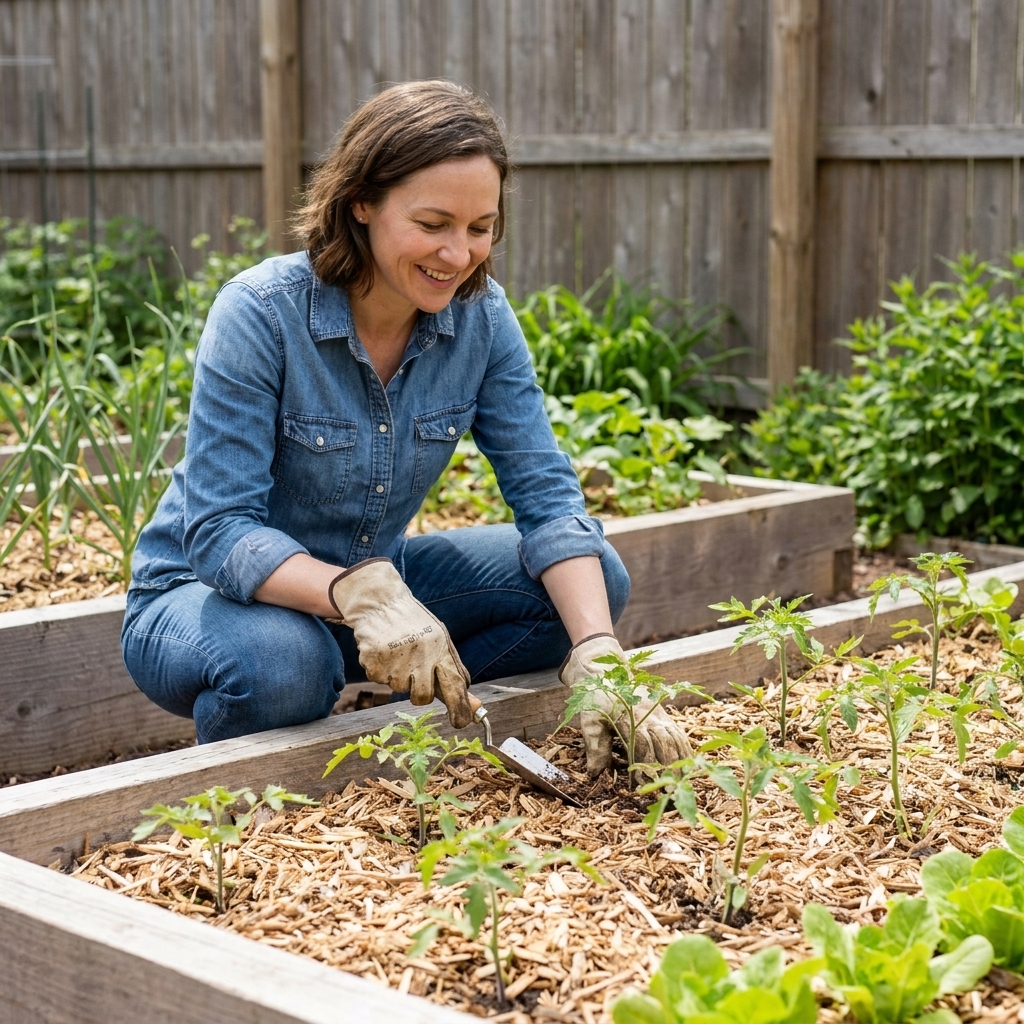
Mulch is what keeps your spring improvements from evaporating by July. It buffers moisture, reduces compaction from rain, and gradually feeds the soil.
Mulch choices for raised beds
- Shredded leaves: My favorite. Free, effective, breaks down beautifully.
- Straw: Great for paths and around larger transplants. Use weed-free straw.
- Untreated grass clippings: Only in thin layers so they don’t mat.
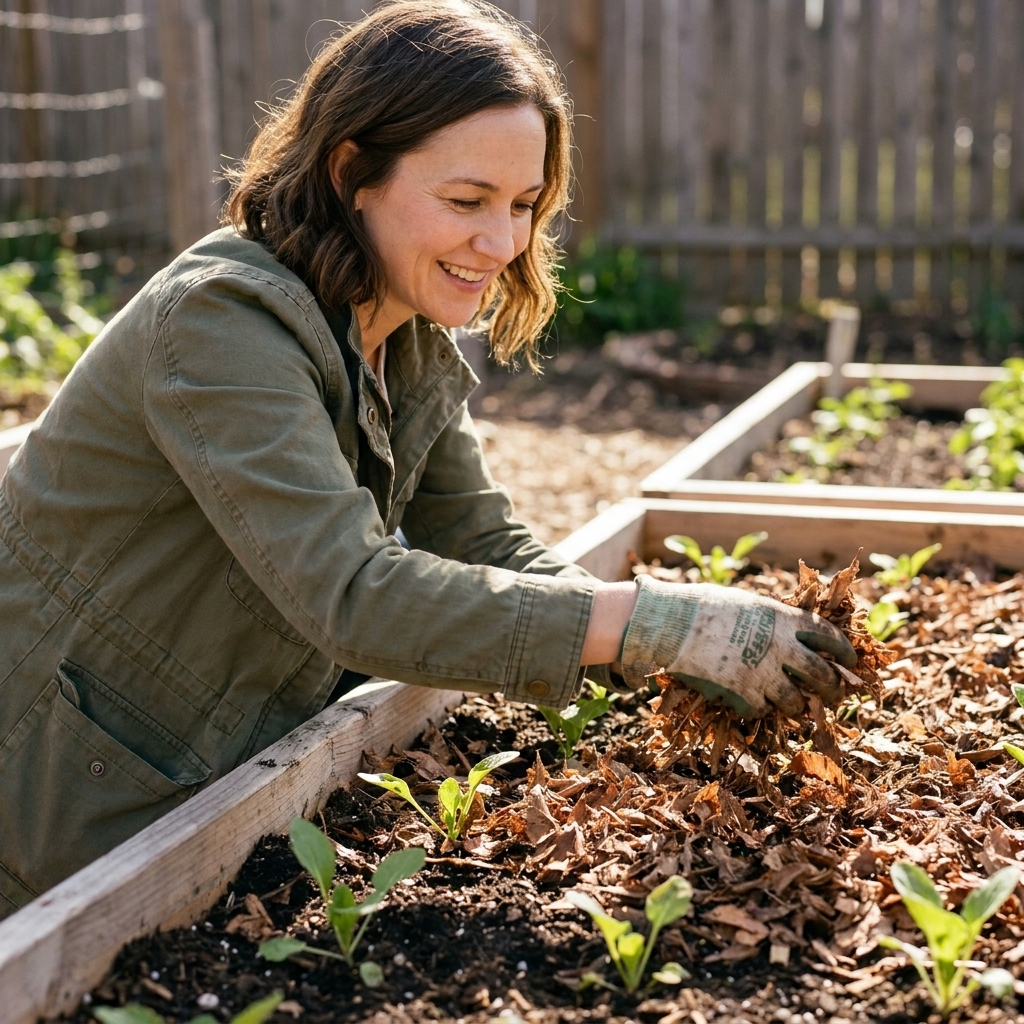
If you’re direct-seeding carrots or radishes, keep mulch off the row until germination, then tuck it back in.
When to replace soil
Most beds can be refreshed indefinitely, but there are a few times I consider a partial or full swap.
- Contamination concerns: If you suspect treated wood leaching (old railroad ties, utility poles) or nearby chemical contamination, replace the lumber, consider testing the soil for the specific concern (like PAHs or heavy metals), and replace soil if results warrant it.
- Severe disease cycle: If the same bed repeatedly fails with the same crop family despite rotation and sanitation, focus on rotation, resistant varieties, and improving growing conditions first. A deeper reset can help in some cases, but it is not a guaranteed cure for soil-borne pathogens.
- Soil level dropped and texture is wrong: If a bed has sunk 4 to 6 inches and what’s left is mostly gritty, compacted sub-material, a larger rebuild (adding bulk compost and quality topsoil) can be worth it.
Even then, I usually do a partial replacement first: remove the top 4 to 6 inches, refill with compost and a high-quality raised bed blend, then amend and mulch.
My spring checklist
If you want the whole process in one place, here’s the routine I use in most of my beds every spring:
- Remove diseased debris and big stems.
- Loosen with a fork (don’t flip).
- Add 1 to 2 inches of finished compost.
- Mix a balanced organic fertilizer into the top few inches (label rates).
- Address specific issues (pH, calcium, drainage) only if needed.
- Water in deeply and gently.
- Mulch after planting, adjusting for direct-seeded rows.
Do that consistently and your “old” raised bed soil starts acting like it’s brand new, except better, because it’s full of life.
FAQ
Can I add fresh bagged soil on top every year?
You can top off with a quality raised bed mix, but compost is usually a better yearly habit. Bagged mixes vary wildly, and many are peat-heavy and can become water-repellent if they dry out hard. A compost top-dress plus targeted amendments is more reliable.
How deep should I mix in compost and fertilizer?
I usually rake compost into the top 2 to 4 inches. That’s where a lot of feeder roots live, and it avoids disturbing deeper soil biology. Fertilizer gets mixed into that same upper layer.
Is it okay to reuse old potting mix in a raised bed?
Yes, with a caveat. Old potting mix can be a nice lightener in small amounts, but it’s not very nutrient-dense. Mix it into a bed with compost and a balanced organic fertilizer, and avoid using large amounts if it’s full of undecomposed wood chips that may temporarily tie up nitrogen.
What if my soil test shows high phosphorus?
That’s common in raised beds that get manure compost regularly. Keep adding compost, but choose compost that is not manure-heavy when possible, and skip phosphorus-heavy fertilizers. Focus on nitrogen (as needed) and potassium, plus organic matter and mulch.