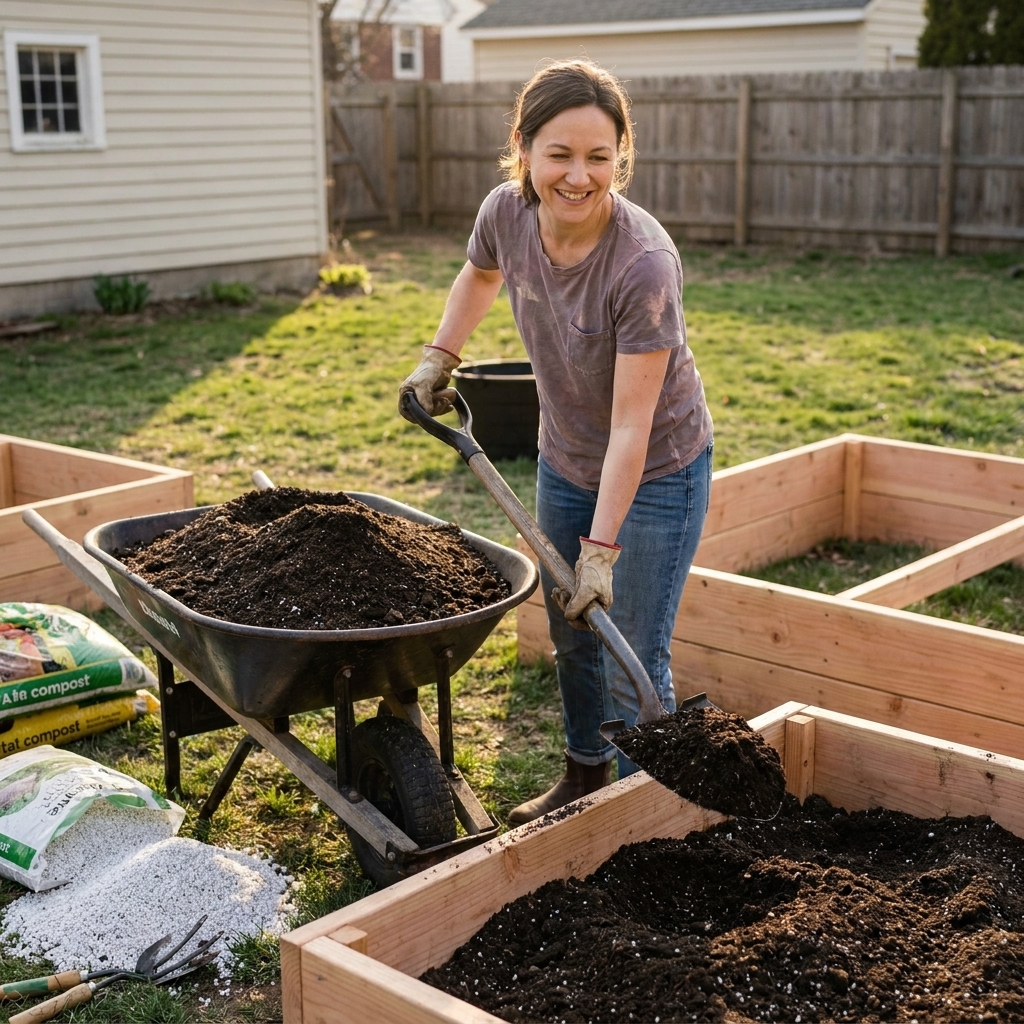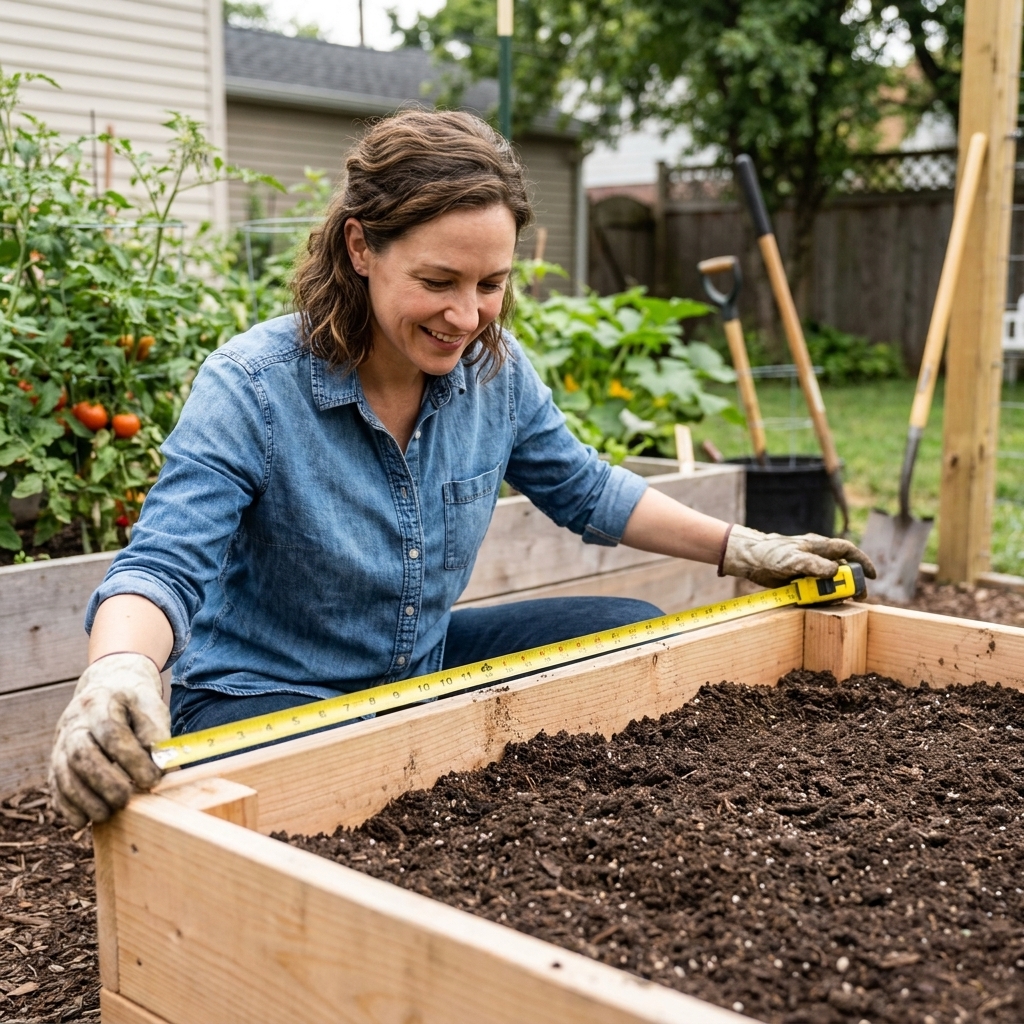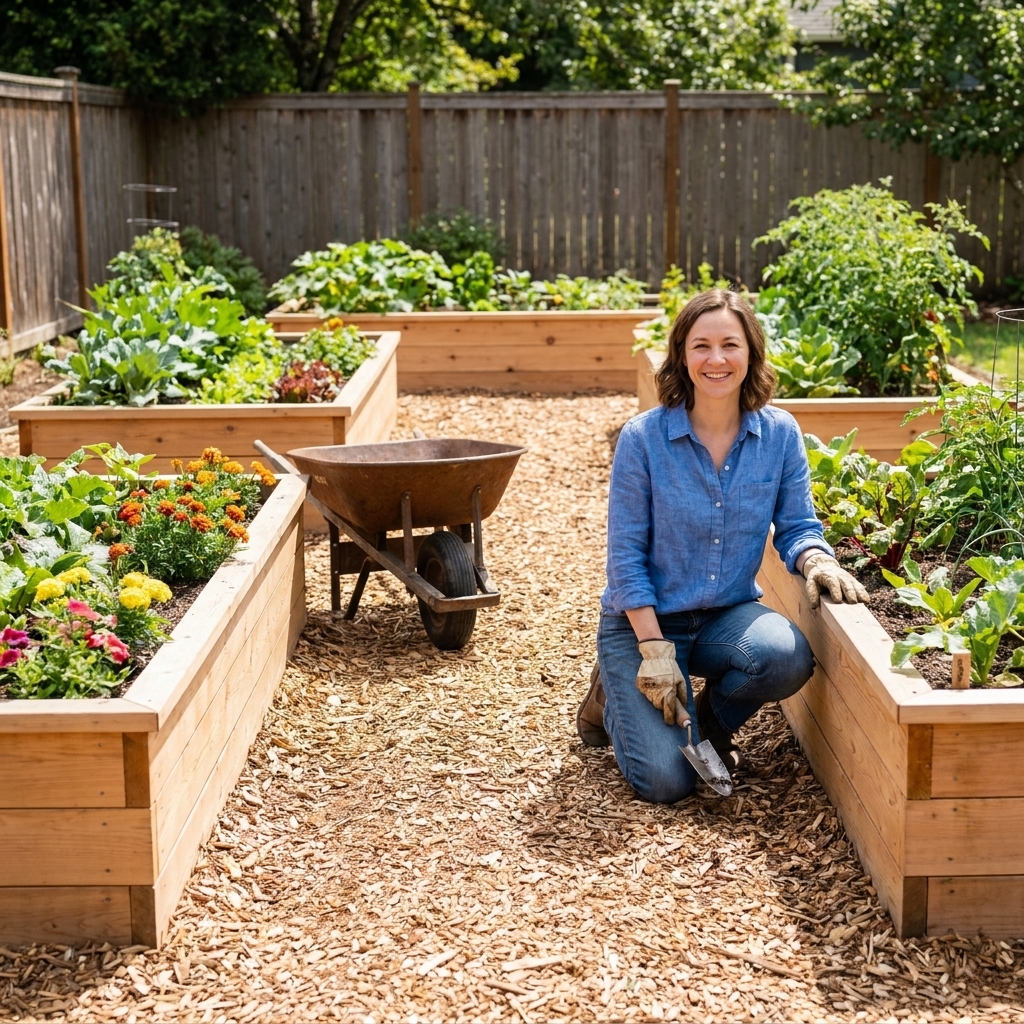

Soil is often the single biggest “startup cost” for raised beds, and it is also the easiest place to overspend without realizing it. I have done it both ways: hauling bags like I was training for a strongman contest, and ordering bulk soil that showed up in a glorious pile that made me feel like a tiny farm operation.
This guide walks you through a clear cost comparison of bulk delivery vs. bagged mixes, plus the real-world factors that decide what is practical for your yard, your bed size, and your back.
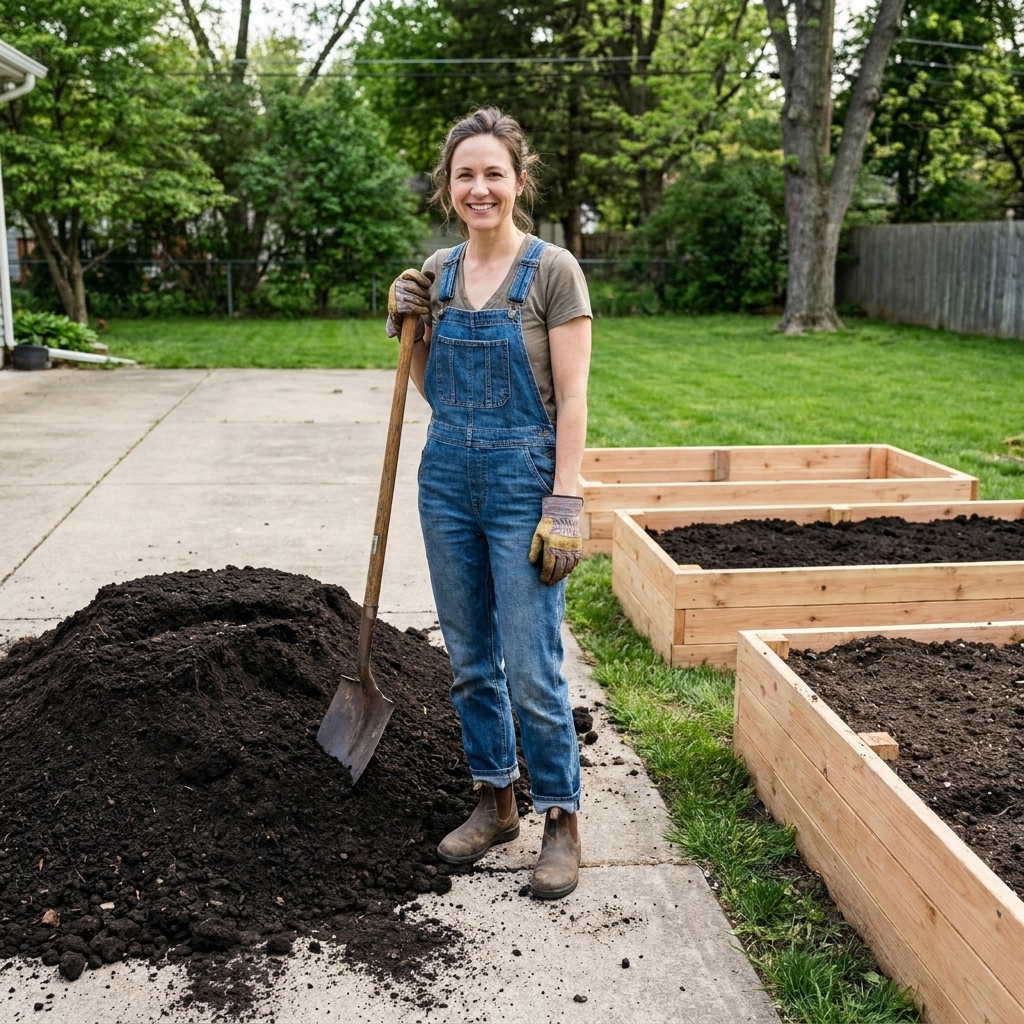
Start with volume: how much soil do you actually need?
Before we talk dollars, we need cubic feet and cubic yards. Most bagged mixes are sold in cubic feet (1, 1.5, 2 cu ft are common). Bulk soil is usually sold by the cubic yard.
- 1 cubic yard = 27 cubic feet
- To convert: cubic feet ÷ 27 = cubic yards
Raised bed soil formula
Length (ft) × Width (ft) × Soil depth (ft) = cubic feet
Soil depth in feet is inches ÷ 12. For example, 12 inches is 1.0 ft, 18 inches is 1.5 ft.
Common bed volumes (quick reference)
| Bed size | Depth | Volume (cu ft) | Volume (cu yd) |
|---|---|---|---|
| 4×4 | 12 in | 16 | 0.59 |
| 4×8 | 12 in | 32 | 1.19 |
| 4×8 | 18 in | 48 | 1.78 |
| 4×10 | 12 in | 40 | 1.48 |
| 3×12 | 12 in | 36 | 1.33 |
My “don’t run short” rule: add 10 percent for settling, rounding, and the fact that soil never behaves like perfect geometry when you are shoveling it into corners.
Price basics: what you are really paying for
Both options can grow great food. The difference is usually price per cubic foot, plus the hidden costs: delivery fees, minimum orders, and labor.
Bagged raised bed soil: what the price includes
- Convenience and clean packaging
- Often a lighter, fluffier mix designed for containers and beds
- Easy to buy a little at a time
Bulk delivered soil: what the price includes
- Lower price per volume in many regions
- Less packaging waste
- Potentially heavier, more “soil-like” blends (which can be good or bad depending on what you get)
The catch with bulk is that your final cost depends on delivery and minimum yardage, and your final quality depends on the supplier.
If you are trying to get to a true “all-in” number, do not forget sales tax on bags, and consider fuel and vehicle wear if you are hauling a lot of them yourself.
Cost comparison math (use this with your local prices)
Prices vary wildly by region and season, so instead of pretending there is one universal number, I am going to show you the math so you can plug in your own local costs.
Step 1: Convert everything to cost per cubic foot
Bagged mix cost per cu ft: Bag price ÷ bag size (cu ft)
Bulk cost per cu ft: (Price per cubic yard ÷ 27) + (Delivery fee ÷ total cubic feet delivered)
Example A: one 4×8 bed, 12 inches deep (about 32 cu ft)
Let’s pretend these are your local prices:
- Bagged raised bed mix: $8 per 2 cu ft bag
- Bulk raised bed blend: $55 per cubic yard
- Delivery fee: $65
Bagged total: 32 cu ft ÷ 2 = 16 bags. 16 × $8 = $128
Bulk total soil needed: 32 cu ft ÷ 27 = 1.19 cu yd. If you add 10 percent for settling, you are at about 1.30 yards. Because many suppliers sell in 0.5-yard increments, you may end up ordering 1.5 yards to be safe.
Bulk soil cost: 1.5 × $55 = $82.50
Bulk delivered total: $82.50 + $65 = $147.50
Result: for a single bed, bags can be cheaper if delivery is steep or you have to order extra yardage. This surprises people, but it is common.
Example B: three 4×8 beds, 12 inches deep (about 96 cu ft)
Bagged total: 96 ÷ 2 = 48 bags. 48 × $8 = $384
Bulk soil needed: 96 ÷ 27 = 3.56 cu yd. Order 4 yards to be safe.
Bulk soil cost: 4 × $55 = $220
Bulk delivered total: $220 + $65 = $285
Result: as soon as you spread that delivery fee across more volume, bulk often becomes the better deal.
The break-even point (the quick way to decide)
If you want a fast decision without doing a bunch of scenarios, use this approach:
- Calculate your bagged cost per cubic foot.
- Calculate your bulk cost per cubic foot without delivery (yard price ÷ 27).
- Estimate delivery per cubic foot by dividing delivery fee by how many cubic feet you plan to order.
- Add them together and compare.
Rule of thumb from my own projects: If you are filling 2 cubic yards or more, bulk delivery usually wins on cost and sanity. Under that, it depends heavily on delivery fees, bag pricing, and whether your supplier has a minimum order.
That “2-yard” line is not magic. The cost-per-cubic-foot method above is what keeps you honest, especially when delivery fees (or bag sales) swing the numbers.
Hidden costs and practical realities
Even when bulk is cheaper on paper, these factors can flip the decision.
Delivery access: can a truck actually drop where you need it?
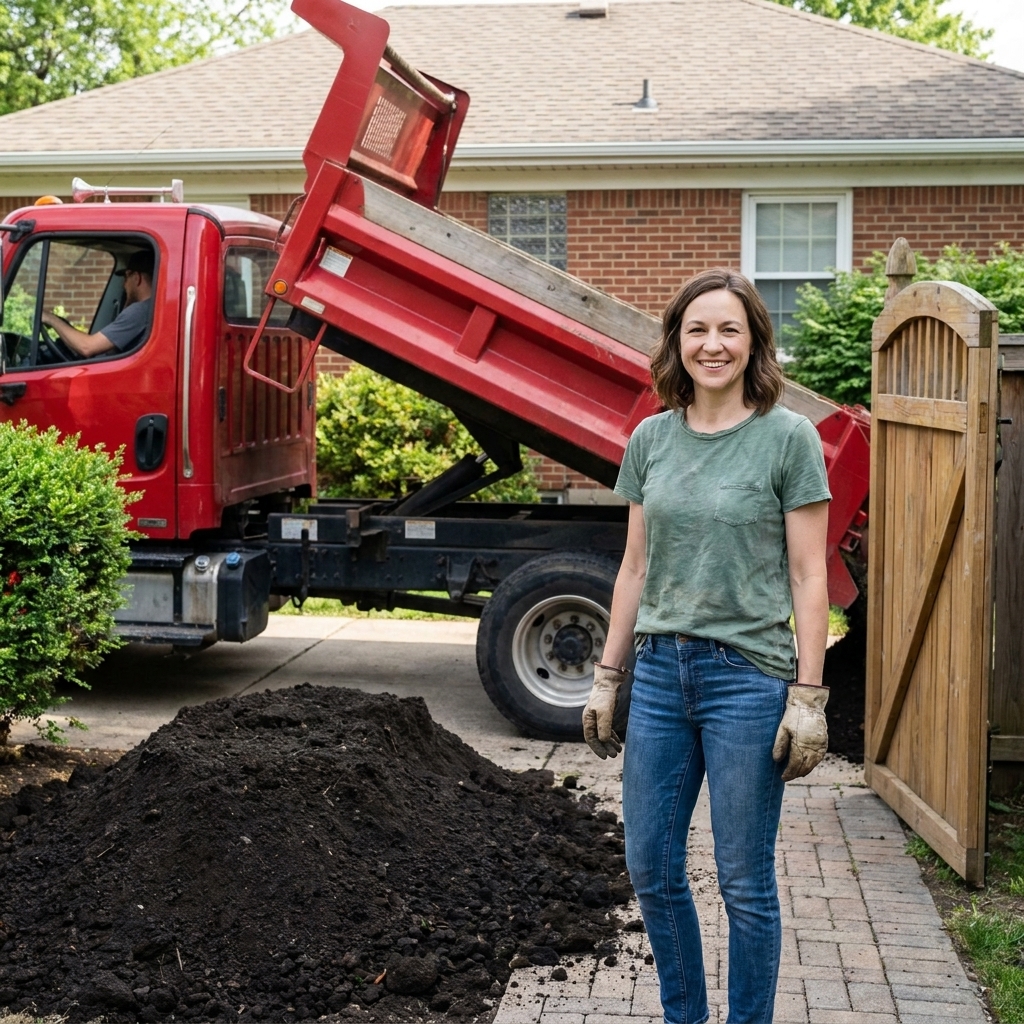
Bulk delivery is easiest when the driver can dump on a driveway, in an alley, or near a gate wide enough for a skid steer. If your only access is through a narrow side yard, bags might be the only realistic option unless your supplier offers smaller dump trucks or “supersack” delivery.
Minimum order sizes
Some landscape yards have a minimum delivery of 2 yards or more. If you only need 1 yard, your “cheap bulk soil” can quietly become “expensive bulk soil plus leftovers.” Leftovers are not a tragedy, but you should plan for them.
Time and labor: bags are slow, bulk is fast
- Bagged: lots of lifting, lots of trips, lots of plastic to deal with. It is easier to pace over several weekends.
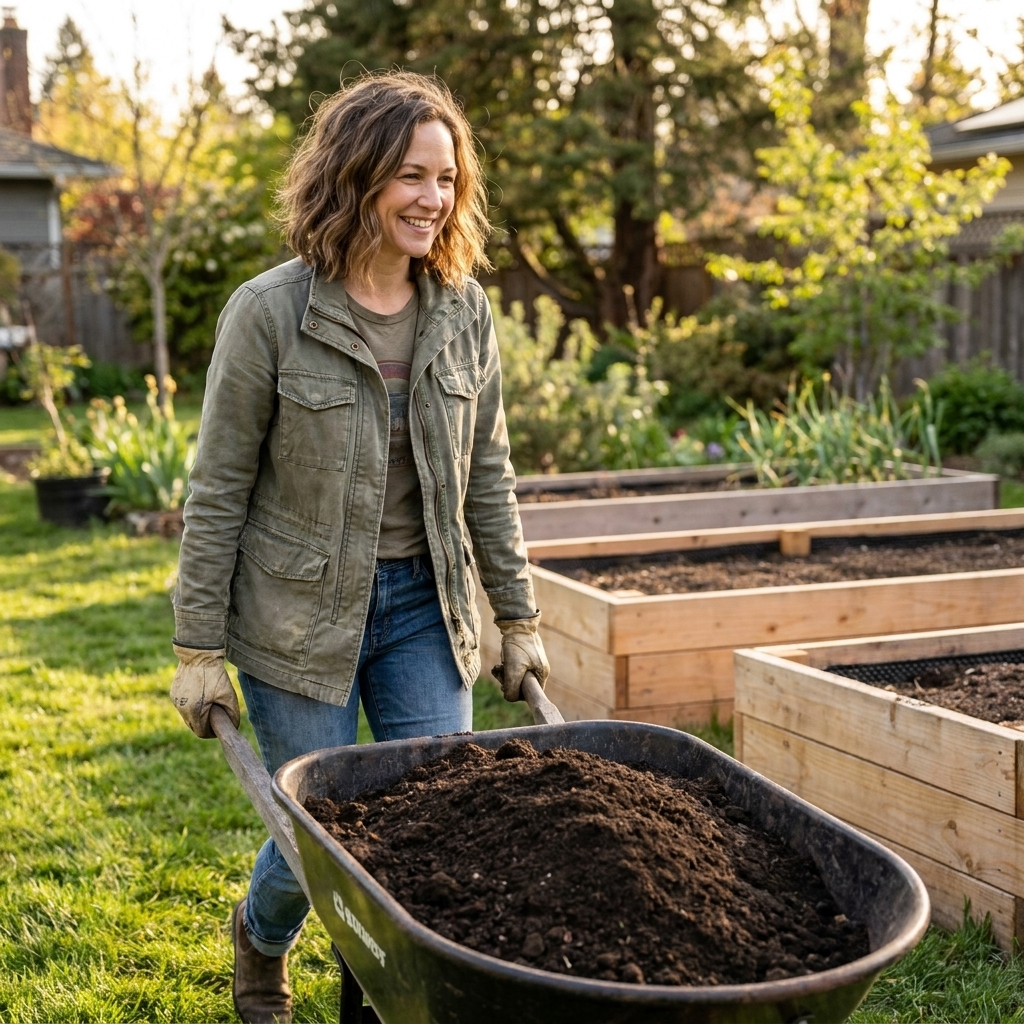
- Bulk: one intense afternoon of shoveling and wheelbarrowing, but fewer total lifts. I prefer bulk when I can recruit one helpful friend and bribe them with tomatoes later.
Quality consistency: bagged mixes are predictable, bulk varies
This is the biggest non-price factor. Bagged raised bed soil is usually consistent from bag to bag. Bulk “raised bed mix” can mean anything from a beautiful compost-rich blend to something that is basically screened topsoil with a little compost sprinkled in.
What a “raised bed blend” usually means
A good raised bed blend is typically some mix of screened topsoil plus finished compost, sometimes with an aeration ingredient (like pine fines or similar) to keep it from packing down. What you want in your hand is something crumbly, not muddy, and not full of big, half-composted wood chunks.
Ask bulk suppliers:
- Is it a blended product or straight topsoil?
- What percent is compost?
- Is it screened? To what size?
- Is it tested for herbicide contamination (aminopyralid and similar persistent herbicides)?
- How long has the compost aged?
Real-world scenarios: which option fits you best?
Choose bagged mixes if…
- You are filling one small bed or topping off soil
- You do not have a place for a delivery pile
- You need to carry soil through a house, up stairs, or onto a patio
- You want predictable texture for carrots, beets, and other root crops
Choose bulk delivery if…
- You are filling multiple beds or deep beds
- You want the best cost per volume
- You can handle one big work session
- You have a reliable supplier with a true raised bed blend
My favorite compromise: bulk base plus bagged “finisher”
For beds deeper than 12 inches, you do not have to fill the entire thing with premium bagged raised bed mix. A cost-effective approach that has worked well in my own yard:
- Fill the bottom portion with a bulk topsoil-compost blend (or a bulk raised bed blend you trust).
- Finish the top 6 to 8 inches with a higher-quality, lighter mix or extra compost.
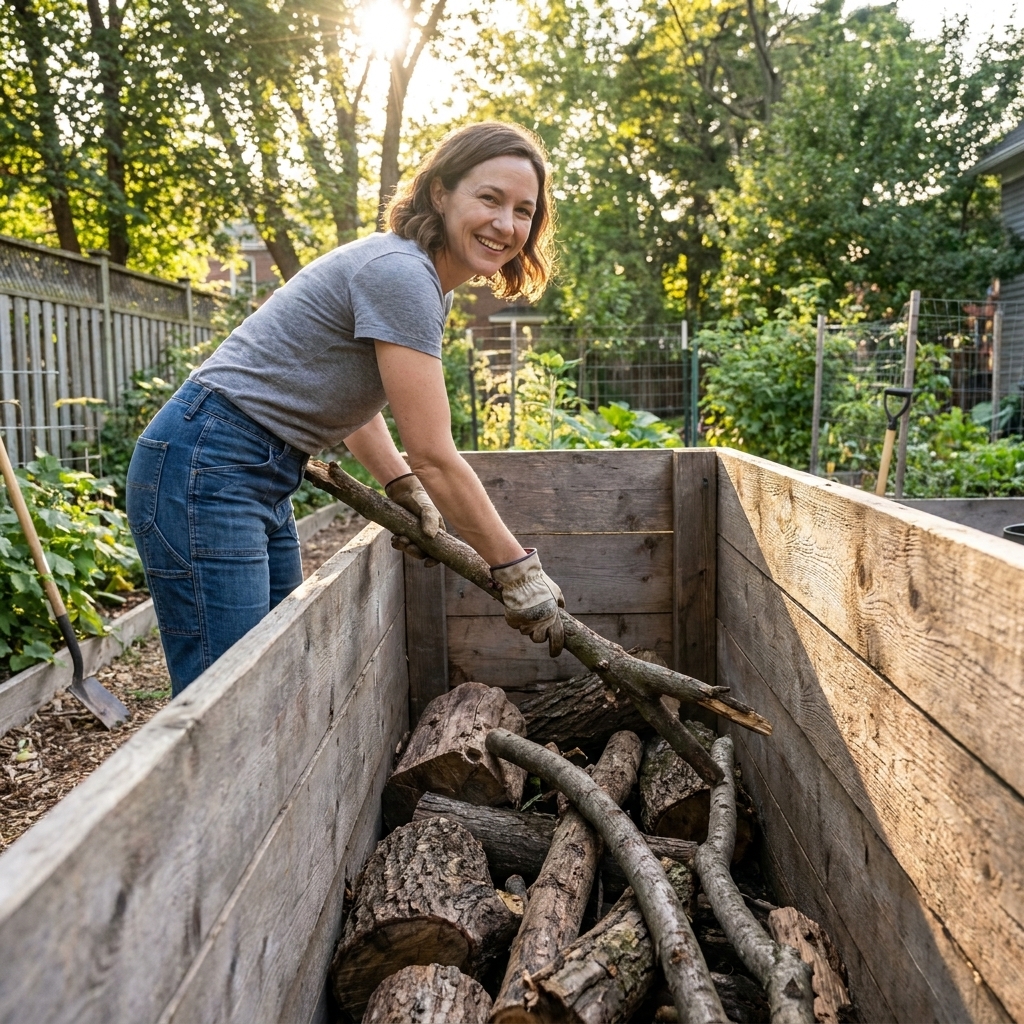
Two cautions so this stays a smart shortcut and not a future headache: avoid anything that is going to turn into a sponge or steal nitrogen as it breaks down (lots of fresh wood chips, unfinished compost, random “fill,” or questionable manure). Even in deep beds, you still want a root-friendly zone throughout, with the best texture and fertility concentrated up top where most feeder roots live.
How to compare bagged soils without getting tricked
Not all bags are apples to apples. Two tips that save money fast:
Compare by cubic foot, not by bag price
A “cheap” 1 cu ft bag can cost more per volume than a 2 cu ft bag that looks pricier.
Watch for “raised bed soil” vs. “garden soil” vs. “topsoil”
- Raised bed soil: usually lighter and more composted, designed to drain well.
- Garden soil: often intended to be mixed into native soil, and can be heavy in a raised bed.
- Topsoil: can be fine for blending, but alone it commonly compacts in raised beds.
If you have ever had a raised bed turn into a dense brick by mid-summer, there is a good chance the mix had too much mineral soil and not enough organic matter and aeration.
Bulk soil buying tips (learned the hard way)
- Get the blend details in writing if you can. “Raised bed mix” is not a regulated term.
- Ask for a small sample or visit the yard. Grab a handful. If it is full of large wood chunks, it may keep breaking down and sinking for a season or two.
- Plan your drop spot before the truck arrives. Drivers appreciate clear instructions, and you will appreciate not having a soil mountain blocking your garage.
- Cover the pile if rain is coming. Wet soil is still usable, but moving it becomes a workout you did not ask for.
One more practical note: if your bed is on a slope or your yard stays soggy, choose a bulk mix with good drainage and do not be afraid to add perlite or pine fines to lighten it up near the surface.
So what is the cheapest option overall?
Here is the most honest answer: the cheapest method is the one that matches your volume and your logistics.
- Small volume (under ~1.5 yards): bags often win once you include delivery fees and minimums.
- Medium volume (2 to 4 yards): bulk often wins, especially if delivery is reasonable.
- Large volume (5+ yards): bulk almost always wins, and your body will thank you for not hauling 100 bags.
Once you map out your bed sizes and depth, you can quickly ballpark where the break-even point will land. Even without that, you can make a confident decision with one quick calculation: convert both options to cost per cubic foot delivered, then layer in the practical factors like access and quality.
FAQ
Is bulk “topsoil” OK for raised beds?
On its own, usually no. Straight topsoil often compacts in a raised bed, especially with overhead watering. If you go bulk, look for a topsoil plus compost blend or a true raised bed mix, then amend as needed.
How deep should I fill a raised bed?
For most vegetables, 10 to 12 inches is a solid minimum. If you are growing deep-rooted crops (carrots, parsnips) or want more buffer in hot weather, 18 inches is wonderful if your budget allows.
Do I need “raised bed soil” specifically?
Not strictly, but you do need a mix that drains well and stays fluffy. Many gardeners succeed with a simple blend like starting around 60 percent quality topsoil and 40 percent compost, then adjusting based on how strong your compost is and how the mix feels. If your compost is very rich or salty, ease up and build fertility over time with seasonal compost top-dressing.
Why does my bed sink after I fill it?
Settling is normal. Organic materials also break down over time. That is why I recommend ordering or buying about 10 percent extra, then topping off with compost each season.