
When I built my first raised beds, I thought “deeper is always better.” Then I did the math on soil costs, watched a few crops thrive in surprisingly shallow beds, and learned the real trick: match usable soil depth to the crops you actually plan to grow, plus a little extra for fluffy soil and happy drainage.
This guide breaks down root depth needs for common vegetables and root crops so you can choose a raised bed depth that makes sense for your yard, budget, and harvest goals.
The quick answer (most gardens)
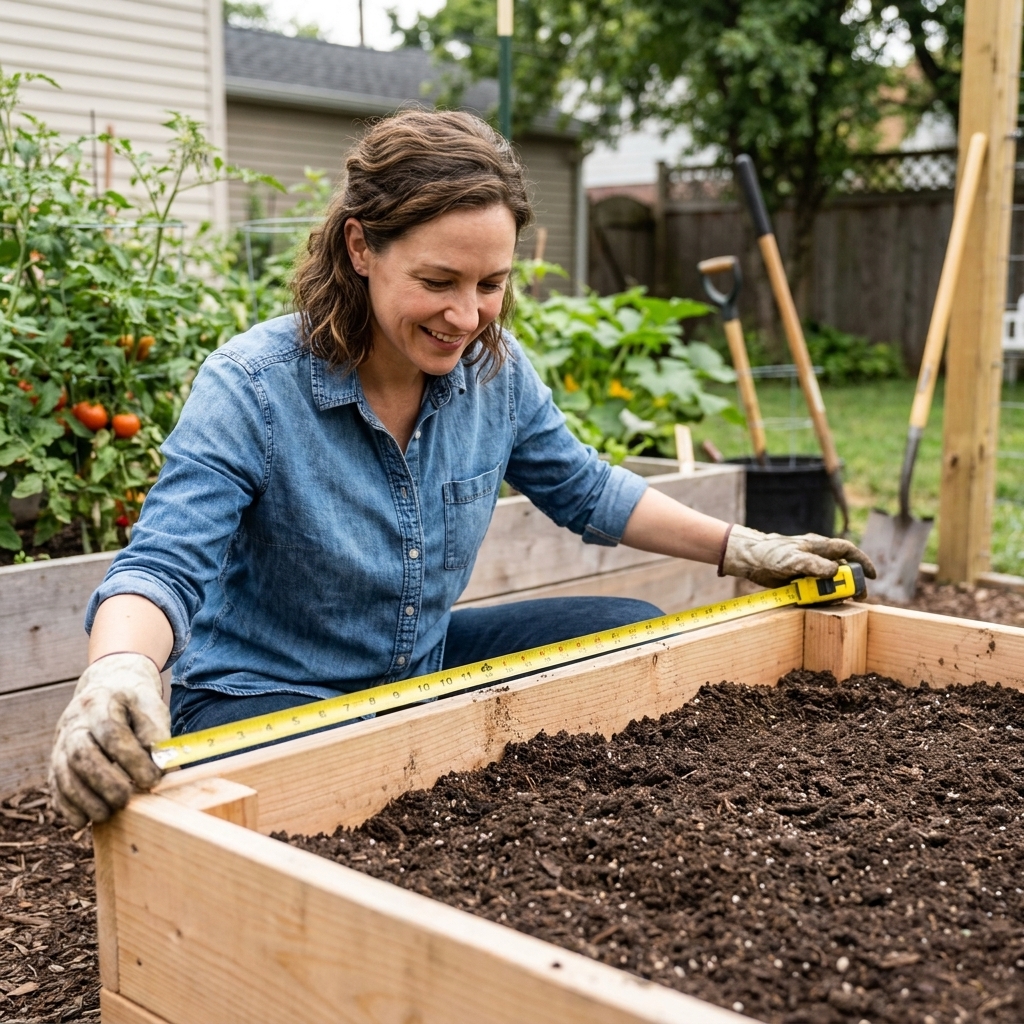
If you want a simple rule you can build around, think in terms of usable soil depth (the actual depth of good growing mix roots can use):
- 12 inches of soil: great for most leafy greens, herbs, many brassicas, and plenty of other vegetables if you stay on top of watering.
- 18 inches of soil: my favorite all-purpose depth for mixed beds. It covers the majority of vegetables comfortably.
- 24 inches of soil: a “luxury” depth that shines for long root crops (carrots, parsnips), and as a buffer for hot weather, missed waterings, and big, thirsty plants. It is not required for tomatoes or squash if roots can also run into decent native soil, but it can make them easier.
There is no single “correct” depth. The best bed is the one that fits your crops and still lets you keep the soil healthy.
Why depth matters
Roots need room
Root depth affects how steady a plant’s water supply is, how well it anchors, and how much nutrient-rich soil it can explore. Shallow beds can still produce, but you will usually need more frequent watering and more consistent fertilizing.
Soil settles
Freshly filled beds almost always sink as organic matter breaks down and air pockets collapse. I typically plan for around 10 to 20 percent settling in the first season, and sometimes more with compost-heavy mixes or woody fillers. If you build a 12-inch-tall bed and fill it to the brim, you may end up with closer to 10 inches of usable depth later.
Depth can help aeration and buffering
With a well-structured mix, deeper soil tends to stay looser longer, which means better oxygen for roots and more stable moisture. That said, drainage is still mostly about soil texture, structure, and whether water can exit the bed. A deeper bed filled with a fine, compacting mix can stay soggy at the bottom.
Root depth targets
These are practical planning numbers for usable soil depth inside the bed. Root systems can go deeper in ideal conditions, but this is the range that reliably supports good yields in a typical backyard raised bed.
| Crop type | Examples | Minimum soil depth | Ideal soil depth |
|---|---|---|---|
| Leafy greens | Lettuce, spinach, arugula, chard | 6 to 8 in | 10 to 12 in |
| Herbs | Basil, cilantro, parsley, dill | 6 to 8 in | 10 to 12 in |
| Alliums | Onions, garlic, leeks | 8 to 10 in | 12 in |
| Brassicas | Broccoli, kale, cabbage, cauliflower | 10 to 12 in | 12 to 18 in |
| Legumes | Bush beans, pole beans, peas | 10 to 12 in | 12 to 18 in |
| Fruiting crops | Peppers, eggplant, cucumbers | 12 in | 18 in |
| Tomatoes | Determinate and indeterminate | 12 to 18 in | 18 to 24 in |
| Potatoes | Raised beds on the ground (not grow bags) | 10 to 12 in | 12 to 18+ in (including hilling) |
| Root crops (short) | Radishes, baby carrots, beets, turnips | 10 to 12 in | 12 to 18 in |
| Root crops (long) | Carrots (full size), parsnips, salsify | 12 to 18 in | 18 to 24 in |
| Vining giants | Winter squash, pumpkins | 12 to 18 in | 18 to 24 in |
My take after many seasons: if you want a single bed depth that does not feel limiting as your gardening curiosity grows, build 18 inches tall if you can.
Root crops
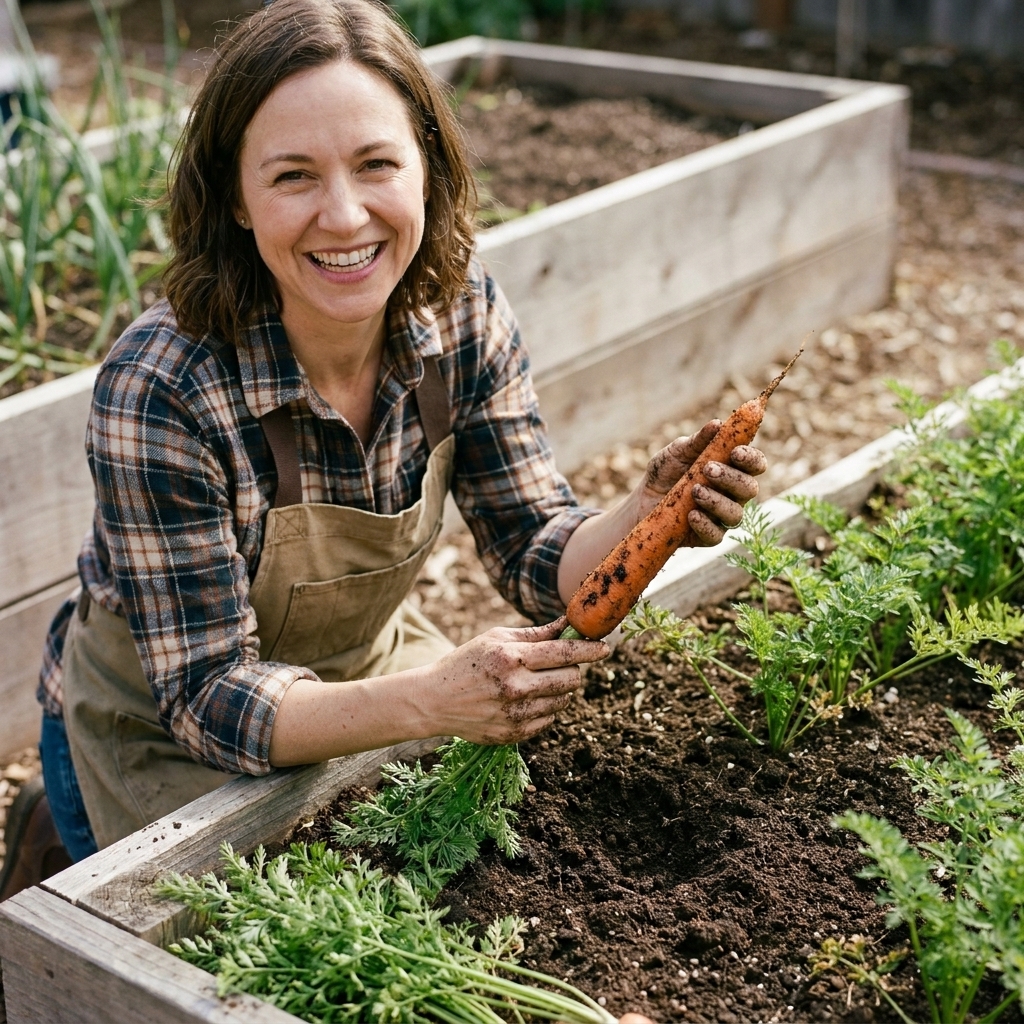
Root crops are where shallow beds show their weaknesses. Miss the depth target and you may still harvest something, but it is more likely to be stubby, forked, or stressed.
Carrots
- Baby or round carrots: 10 to 12 inches can work well.
- Full-size carrots: aim for 18 inches of loose, rock-free soil.
- Long varieties: 18 to 24 inches is your sweet spot.
The bigger issue than inches is soil texture. Carrots hate chunks of wood, rocks, and compacted layers. If your bed is deep but filled with lumpy, unfinished material, you will still get funky roots.
Beets and turnips
These are more forgiving than carrots. 12 inches is usually plenty, though they size up better at 12 to 18 if moisture stays consistent.
Parsnips
Parsnips are the crop that convinced me to stop building shallow beds. For nice, straight roots, plan for 18 to 24 inches and keep the soil fluffy.
Radishes
Radishes are your shallow-bed champions. Many do fine with 6 to 8 inches, especially quick spring types.
Depth vs. height
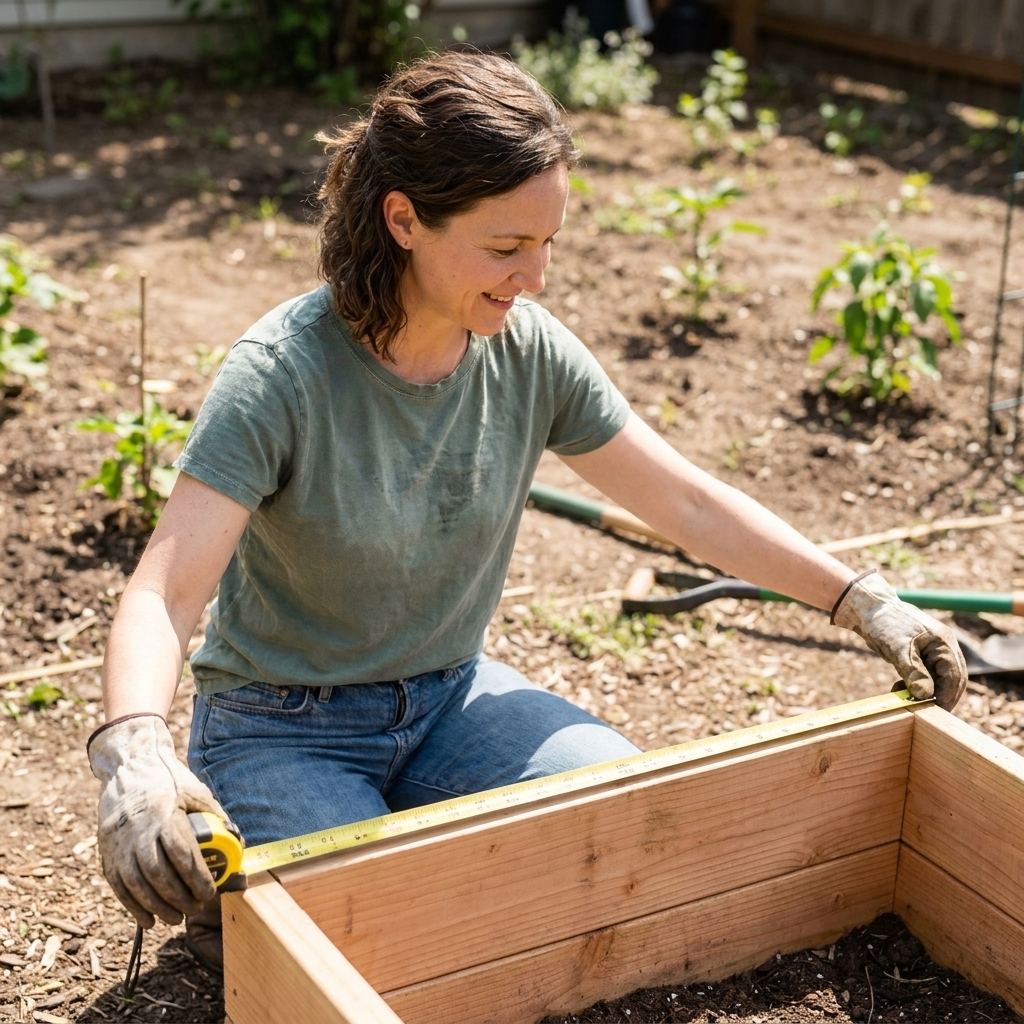
This trips up a lot of new raised bed gardeners: a “12-inch-tall bed” does not always give you 12 inches of usable root space.
- If your bed sits on healthy, diggable native soil with no solid bottom, plant roots can grow down past the frame. In that case, a 10 to 12-inch frame can perform like a deeper bed.
- If your bed sits on compacted clay, gravel, caliche, or you installed a solid bottom, then plants are limited to the soil inside the bed. You will want a deeper build.
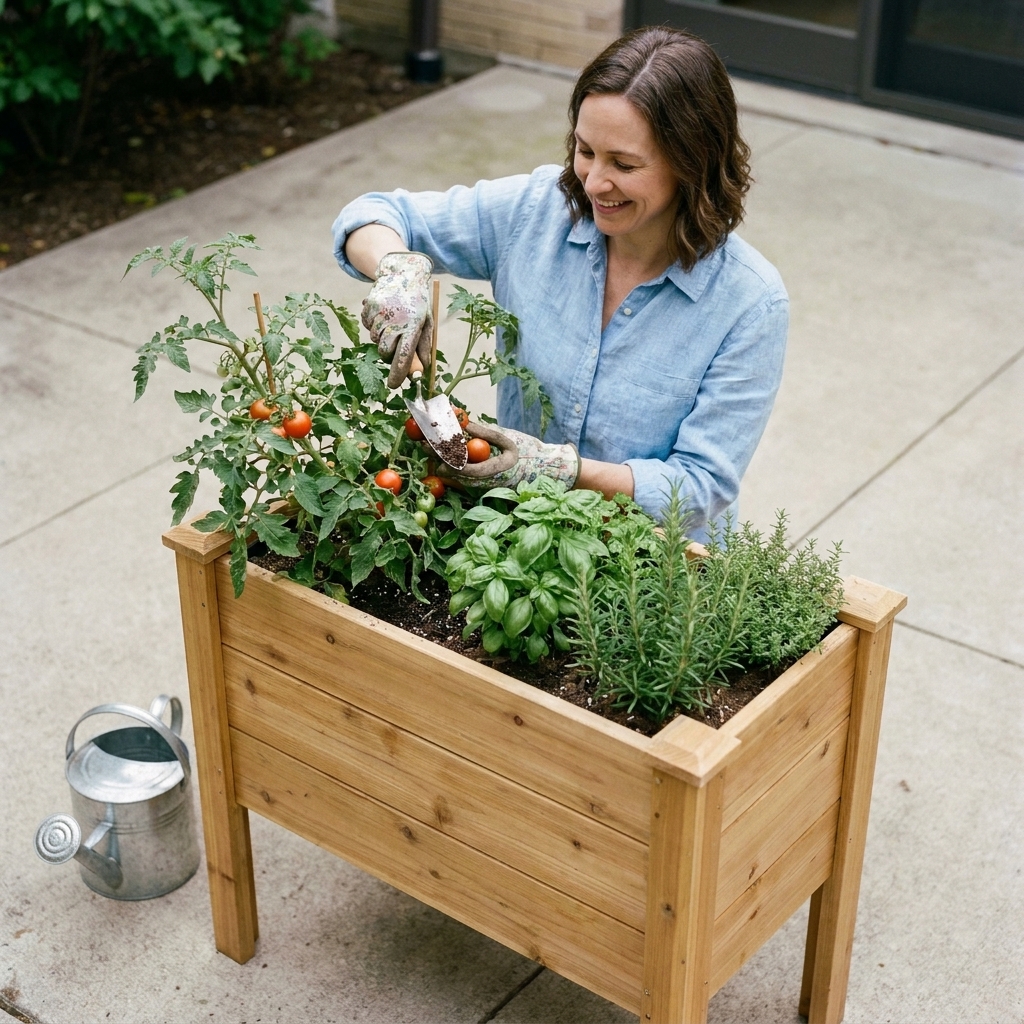
- If you garden on a patio or driveway (planters with bottoms), depth is critical and I would plan toward 18 to 24 inches for mixed vegetables.
Choosing the right depth
Greens and herbs
10 to 12 inches is usually perfect. You will save money on soil and still pull steady harvests.
Mixed kitchen garden
Go for 18 inches. It supports leafy crops plus peppers, cucumbers, onions, beans, and most brassicas without feeling like you are always managing drought stress.
Root crops and heat resilience
24 inches is worth considering if your budget and space allow. Deep beds give you a wider margin for error when summer gets hot and you miss a watering day, especially if your bed is isolated from native soil.
Mobility and comfort
For gardeners who want less bending, taller beds are wonderful, but remember that “taller” also means “more soil.” If you are building a waist-high bed, consider narrowing it so you can reach the center without stepping in it.
A simple rule that helps: if you can access a bed from both sides, keep it about 3 to 4 feet wide. If you can only reach from one side, keep it closer to 2 feet wide.
If your bed is shallow
I have been there. I built gorgeous 10-inch beds early on, then immediately fell in love with carrots. You have options.
1) Grow what shallow beds love
Lean into what your bed does best:
- Leafy greens, herbs, radishes
- Onions and garlic
- Bush beans and peas (especially with consistent watering)
- Strawberries (they are fairly shallow-rooted)
2) Improve texture and reduce stress
- Top-dress with compost 1 to 2 times per year.
- Mulch to reduce evaporation.
- Water deeply and less often, rather than frequent sips.
3) Let roots access native soil
If your bed is on the ground, avoid solid bottoms. A layer of cardboard to smother grass is fine because it breaks down.
4) Dig a carrot trench
If you are determined to grow long carrots in a shallow bed on soil, you can loosen and amend the native soil beneath a carrot row by digging a narrow trench and refilling it with a fine, stone-free mix. It is extra work, but it can be a game changer.
Soil volume math
Depth decisions hit your wallet fast because soil is sold by volume.
Quick math you can use
To estimate how much soil you need:
- Cubic feet = length (ft) × width (ft) × depth (ft)
- Cubic yards = cubic feet ÷ 27
Example: A 4 ft × 8 ft bed at 18 inches (1.5 ft) needs 4 × 8 × 1.5 = 48 cubic feet, or about 1.8 cubic yards.
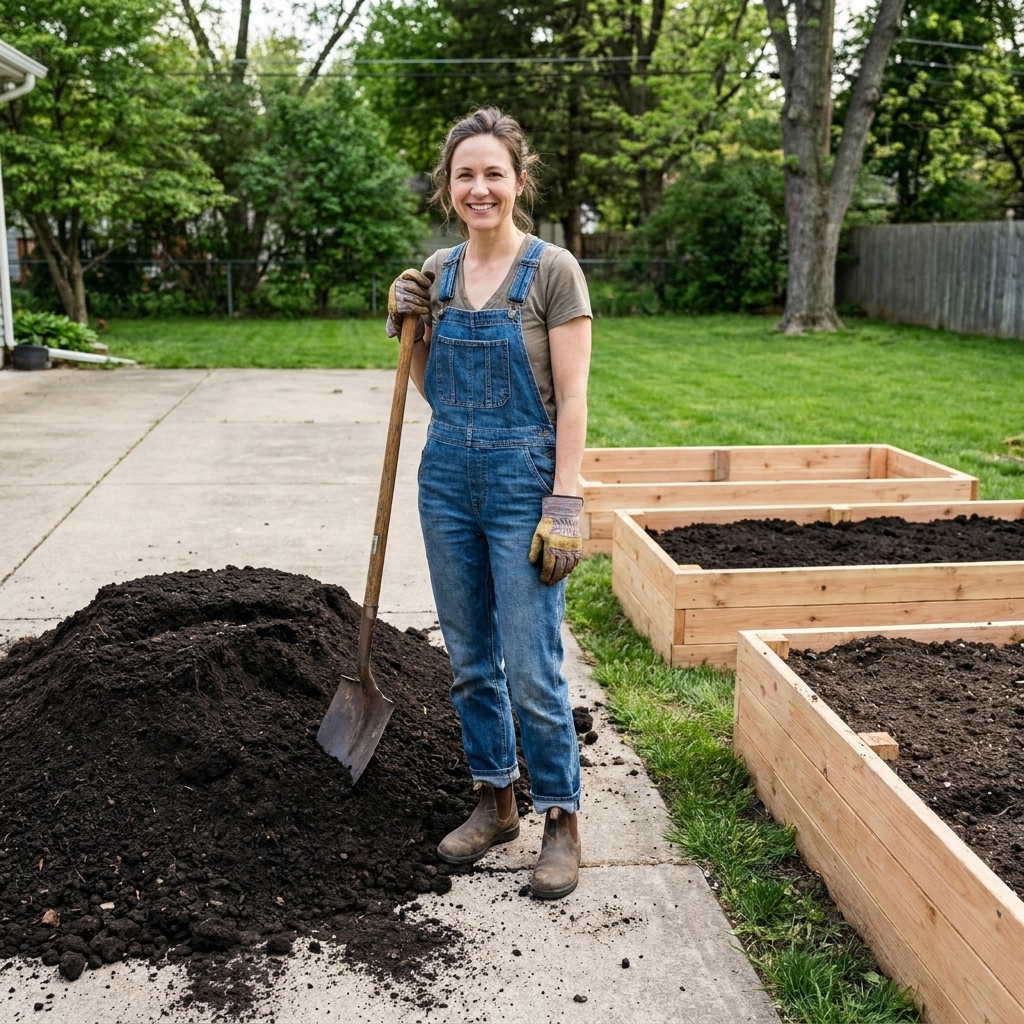
If you are building several beds, buying bulk soil by the cubic yard often costs far less than bagged mixes.
Filling tall beds
For very tall beds (think 24 inches and up), you do not always have to fill every inch with premium planting mix, but you do have to be thoughtful.
Use clean, decomposable filler low in the bed
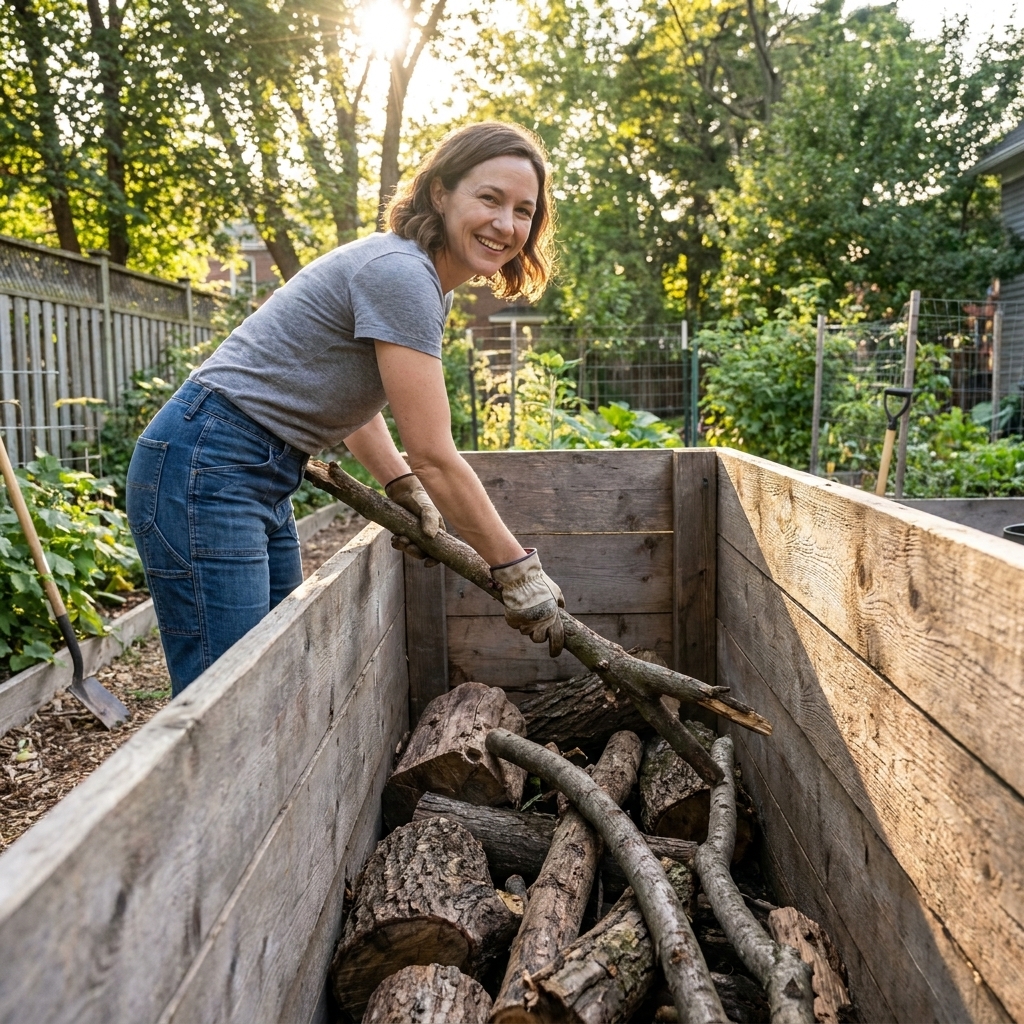
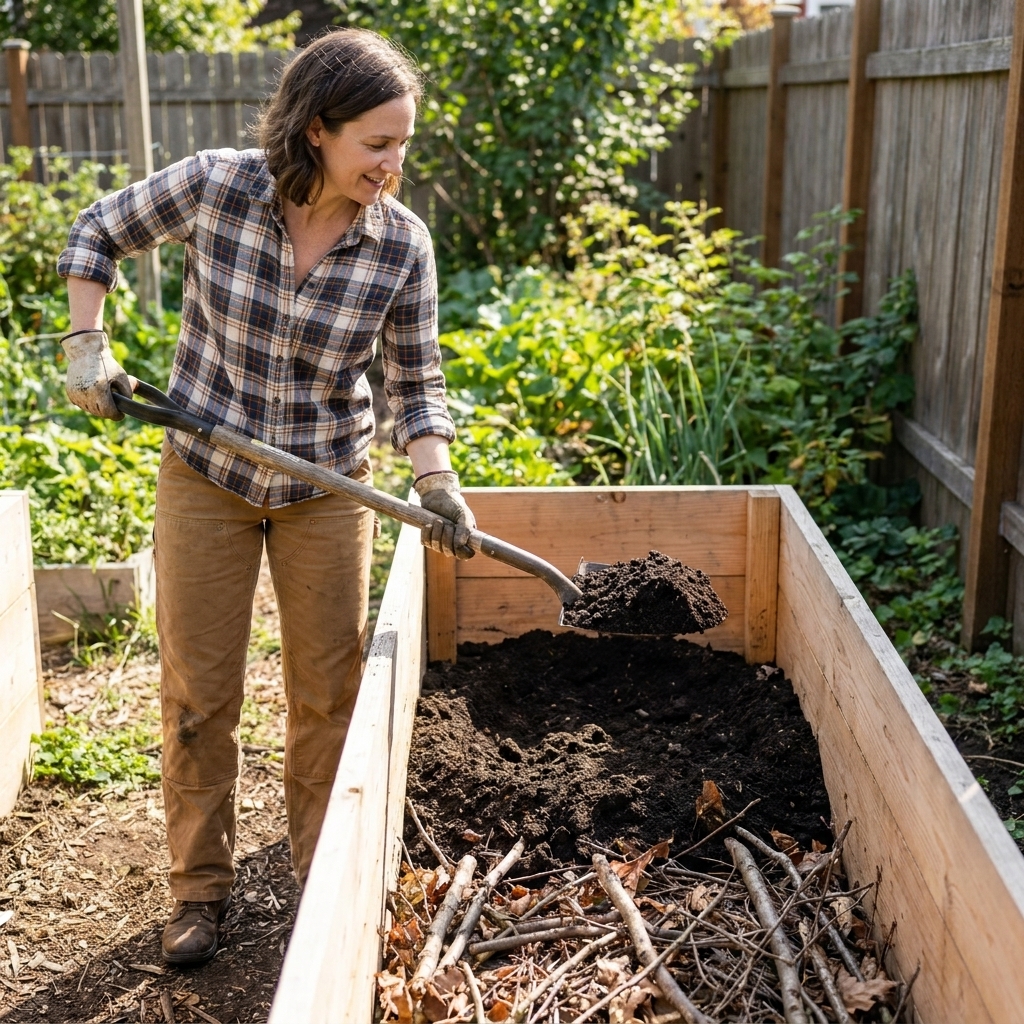
If your bed is bottomless and sits on soil, you can add a layer of coarse organic material in the lowest section to reduce the amount of purchased soil mix. I have used:
- Thick sticks and small logs (hugelkultur style)
- Dry leaves
- Untreated wood chips (in the bottom only)
Important: Keep at least 12 to 18 inches of quality growing mix at the top, especially for vegetables. Also expect settling as bottom materials break down. And because woody material can temporarily tie up nitrogen as it decomposes, I avoid mixing it into the main root zone where I am planting.
Avoid problem fillers
- Construction debris (rocks, concrete, bricks) can create drainage issues and reduce root space.
- Fresh kitchen scraps attract pests and can get slimy and anaerobic.
- Anything treated or painted does not belong in food beds.
- Allelopathic or mystery wood is not worth the gamble. Stick with known, untreated material.
Scenario tips
Raised beds on clay
Clay can be workable, but compaction is the enemy. If your bed is shallow, roots may struggle to move into the native layer. In clay-heavy yards, I lean toward 18 to 24 inches if you can manage it, or at least loosen the clay beneath the bed before filling.
Raised beds on sand
Sandy ground drains fast, so deeper beds help hold moisture. A deeper bed plus lots of compost is usually a win here.
Raised beds near tree roots
Tree roots will absolutely invade your fluffy raised bed soil. Deeper beds can help, but aggressive roots often find a way around or through barriers over time. If you have to garden near trees, you may need a physical root barrier, frequent soil replenishment, and realistic expectations about long-term maintenance. Keep in mind that some barrier setups can also complicate drainage.
Patio planters and rooftops
When you are not connected to native soil, think like a container gardener. For mixed vegetables, 18 to 24 inches is a strong target. Also plan for more frequent fertilizing because nutrients wash out faster in contained systems.
Common mistakes
Building shallow, then trying to grow everything
It is not that shallow beds are bad. They are just specialized. If you want carrots, tomatoes, and winter squash to all be equally happy in the same setup, you either need more usable depth, or you need to be sure roots can access workable native soil below.
Confusing mesh with a solid bottom
Hardware cloth is a lifesaver for gophers and usually does not stop fine roots from growing through it. Solid bottoms and truly impermeable layers are what create a hard limit on root space. Landscape fabric can also become a problem if it clogs and slows water movement.
Forgetting settling
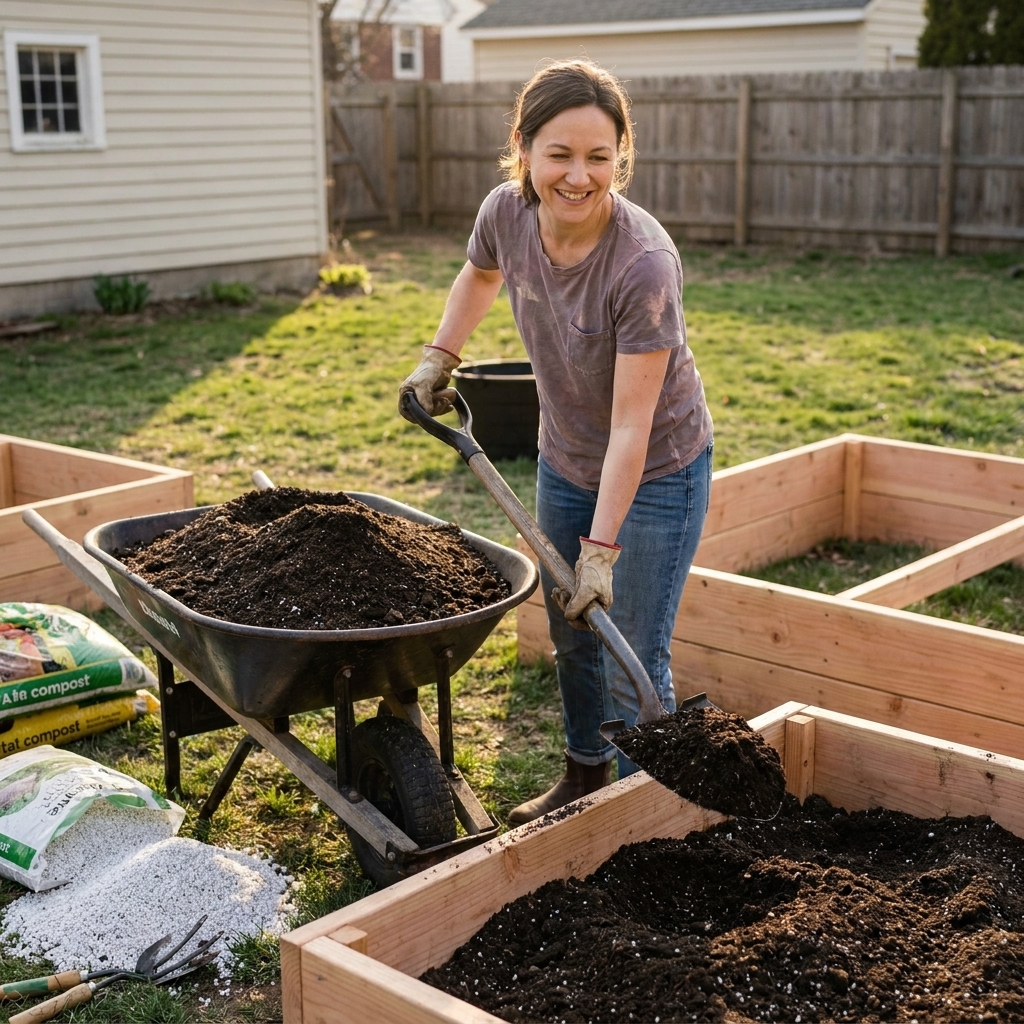
If your bed looks full in April and half-full by July, you did not do anything wrong. That is biology. Top up with compost, and plan future builds with settling in mind.
FAQ
Is 12 inches deep enough for a raised bed?
Often, yes. 12 inches works beautifully for greens, herbs, onions, garlic, radishes, and many other vegetables. It becomes limiting for long carrots, parsnips, and for big fruiting crops during hot weather unless roots can extend into the native soil beneath.
How deep should a raised bed be for tomatoes?
If tomatoes are going into a bottomless bed on decent soil, 12 to 18 inches can be enough. If the bed is isolated from the ground or your soil underneath is compacted, aim for 18 to 24 inches for steadier watering and sturdier plants.
How deep for carrots in a raised bed?
For full-size carrots, plan for about 18 inches of loose, stone-free soil. For extra-long varieties, 24 inches is even better.
Do I need 24-inch raised beds for vegetables?
No, not for most vegetables. 24 inches is a comfort and resilience depth that really shines for long root crops, hot climates, and beds that cannot share space with native soil.
One thing to remember
If you are designing your first raised bed and want it to handle almost anything you get excited about later, build for 18 inches of usable soil depth (or an 18-inch-tall frame filled nearly to the top, allowing for settling). It is the sweet spot between cost, comfort, and crop flexibility.
And if you are dreaming about perfect carrots, do your future self a favor and go deeper. I learned that one the hard way so you do not have to.