
If you have ever stared at a packet of seeds and a tray of seedlings and thought, “Surely it cannot matter that much,” welcome. I have been there. In my early patio box days, I direct sowed everything because it felt simple, then wondered why my peppers stayed the size of a paperclip all summer. Later I swung the other way and transplanted carrots, which is a great way to grow… forked carrots.
In raised beds, you often get a real advantage: warmer soil, fluffier texture, and potentially fewer weeds if you start with relatively clean soil and mulch well. But that advantage only pays off if you match the planting method to the vegetable. Some crops hate having their roots disturbed. Others need a head start indoors to beat short seasons, pests, or summer heat.
One quick note before we dive in: climate and season length change the “best” answer. What is a must-transplant in a cool, short summer can be an easy direct sow in a long, warm one.
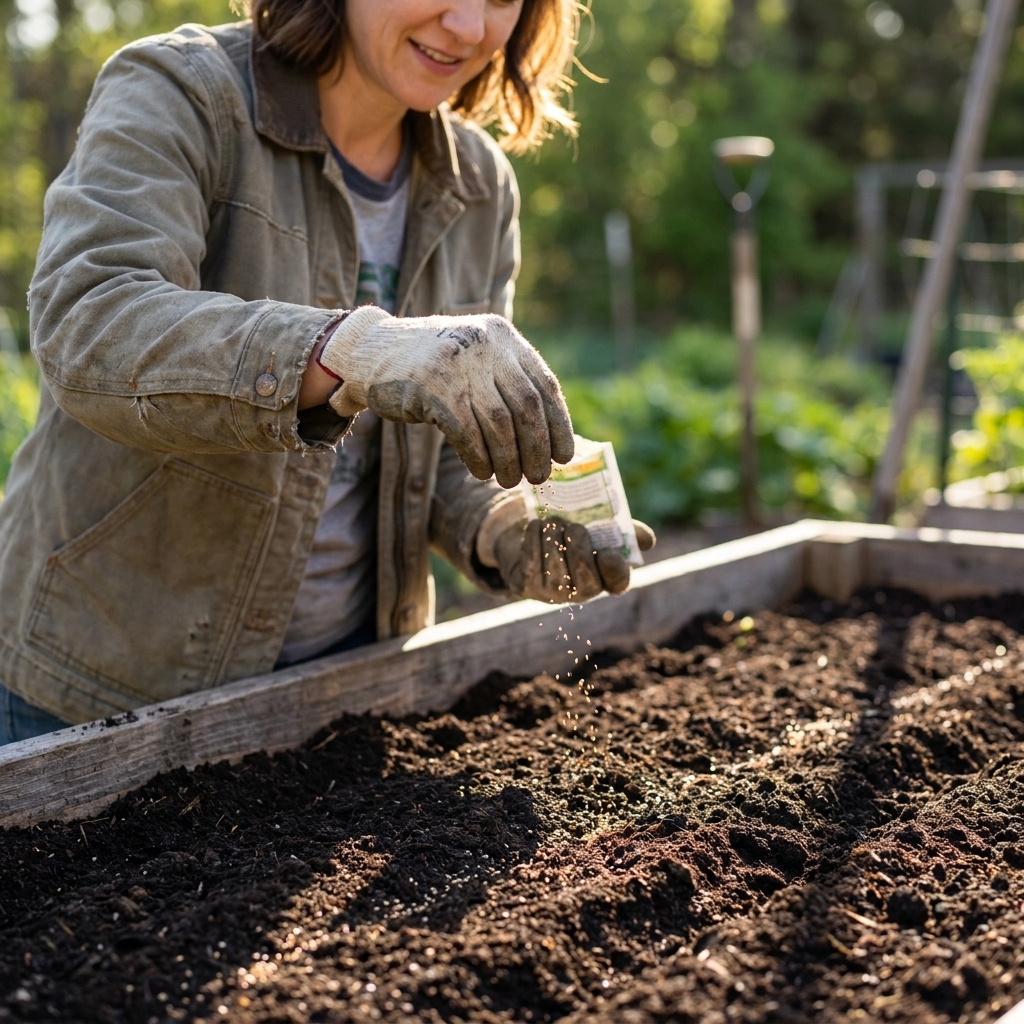
Let’s break down what to direct sow, what to transplant, and how to decide when you are on the fence.
The quick rule
I use two questions to decide:
- Does this plant develop a sensitive taproot or dislike root disturbance? If yes, it usually prefers direct sowing.
- Does this plant need a long warm season, or does it grow slowly at the beginning? If yes, it often does better transplanted (especially in cooler climates).
Raised beds make direct sowing easier because the soil is loose and drains well, but they also dry out faster. That drying is one of the biggest reasons direct-sown seeds fail, right up there with cold soil, predation, and simple bad timing. Transplants help you dodge the fragile germination stage.
Best vegetables to direct sow
These crops tend to germinate well outdoors and either grow fast enough to keep up, or they resent transplanting.
Root crops
- Carrots
- Beets (you can thin and even move tiny extras, but yield is best with direct sow)
- Radishes
- Turnips
- Parsnips
- Rutabaga
Raised bed tip: Root crops want stone-free, deeply loosened soil. I screen the top couple inches of my bed for carrots and parsnips, then keep the surface consistently damp until germination. Carrot seed is notorious for drying out mid-sprout.
Legumes
- Peas
- Bush beans
- Pole beans
- Edamame
Beans and peas can be transplanted in theory, but they are happiest when they can settle in and run. Direct sowing also avoids the “root-bound in a cell tray” problem that can stunt them.
Fast greens
- Spinach
- Arugula
- Leaf lettuce
- Mustard greens
- Asian greens (bok choy, tatsoi, mizuna)
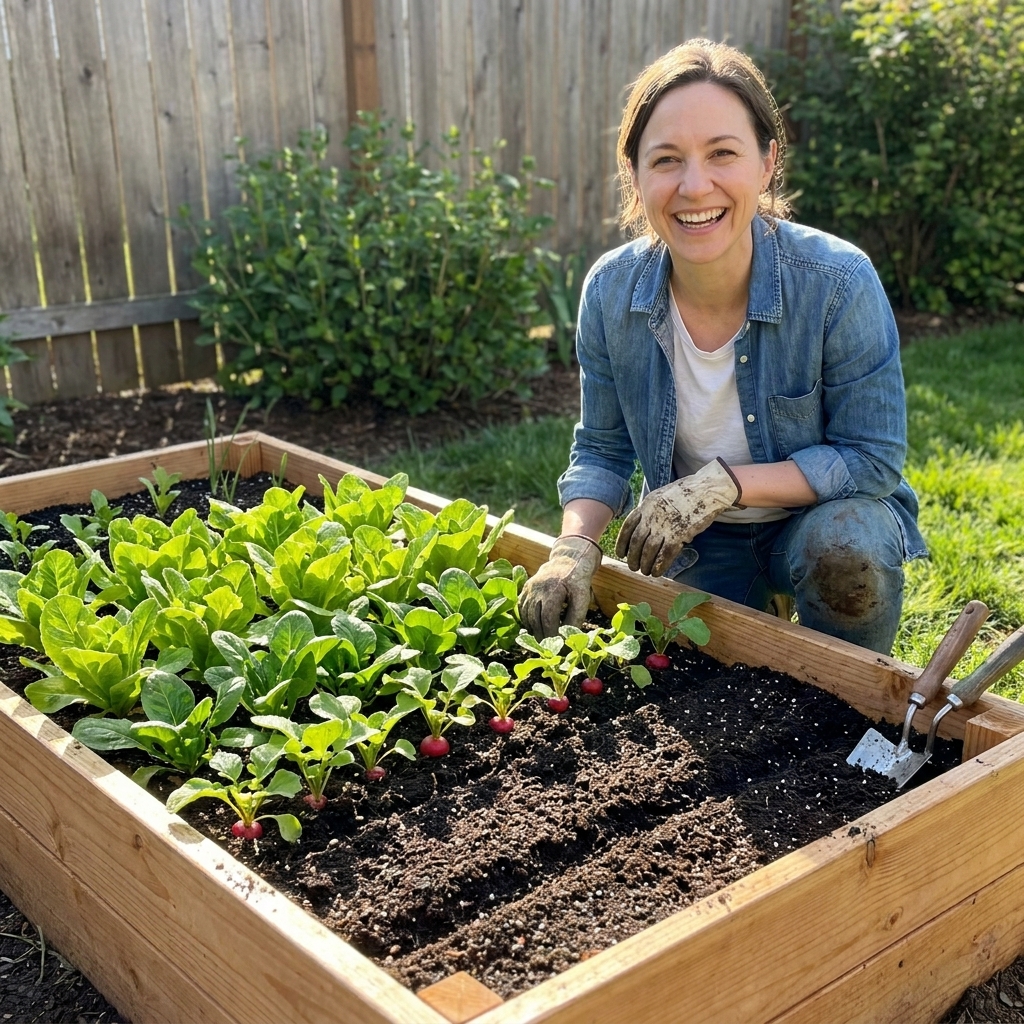
These are perfect for succession planting in raised beds. I direct sow short rows every 1 to 3 weeks in spring and again in late summer for fall.
Corn and other root-sensitive crops
- Sweet corn (direct sow after soil warms)
- Okra (best direct sown in warm soil, or transplant very young and gently if you must)
Potatoes and garlic
- Potatoes (plant seed potato pieces directly)
- Garlic (plant cloves directly, usually in fall for a summer harvest)
Herbs that like being sown in place
- Dill (bolts fast, grows best sown where it lives)
- Cilantro (direct sow in cool weather and succession plant)
- Parsley (slow to germinate; direct sow works if you keep it moist, but transplanting is also common if you want quicker, cleaner spacing)
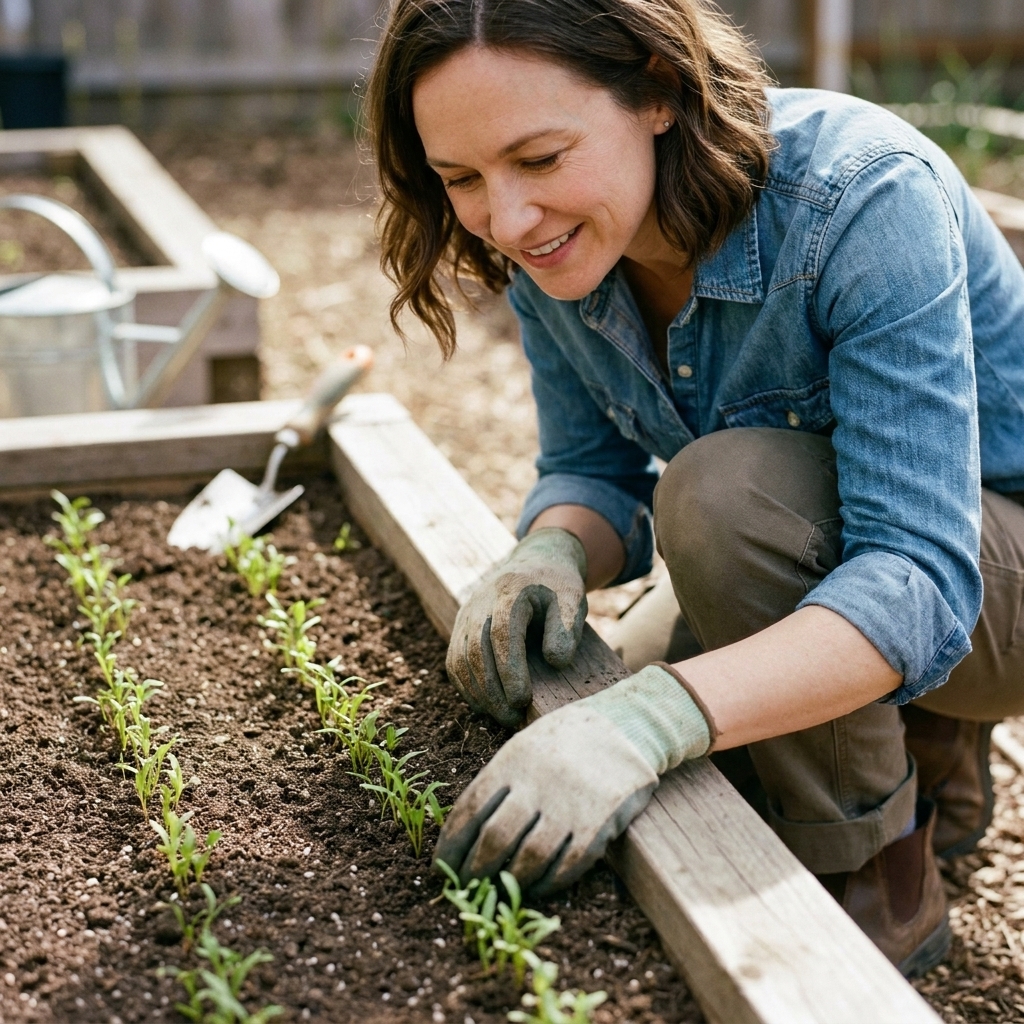
Direct sowing pitfalls
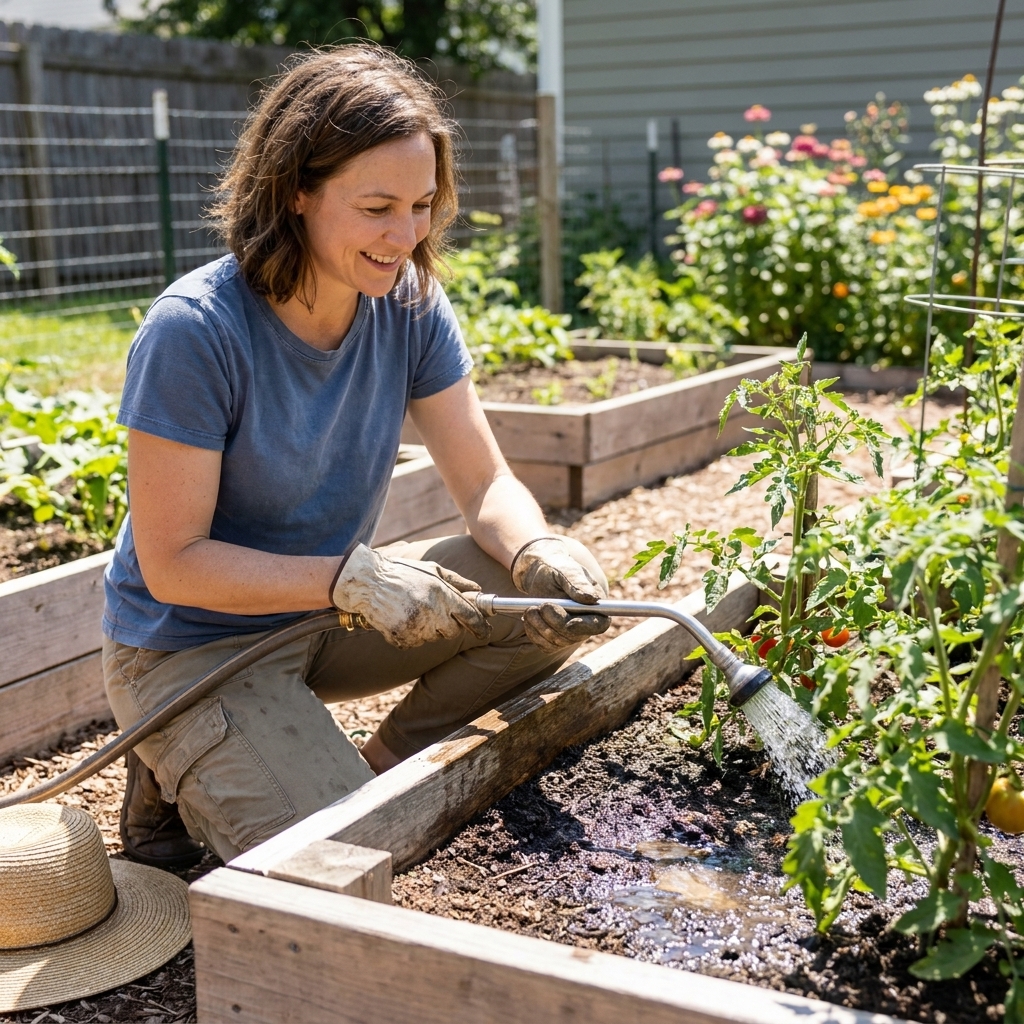
- Dry top layer: Raised beds can dry quickly. Water lightly and frequently until sprouts are up, then switch to deeper, less frequent watering.
- Planting too deep: Most seeds want to be planted about 2 to 3 times as deep as their diameter. Carrots barely want coverage.
- Soil too chunky for tiny seeds: For small seeds (carrots, lettuce), rake the top inch smooth and remove big wood bits or clods.
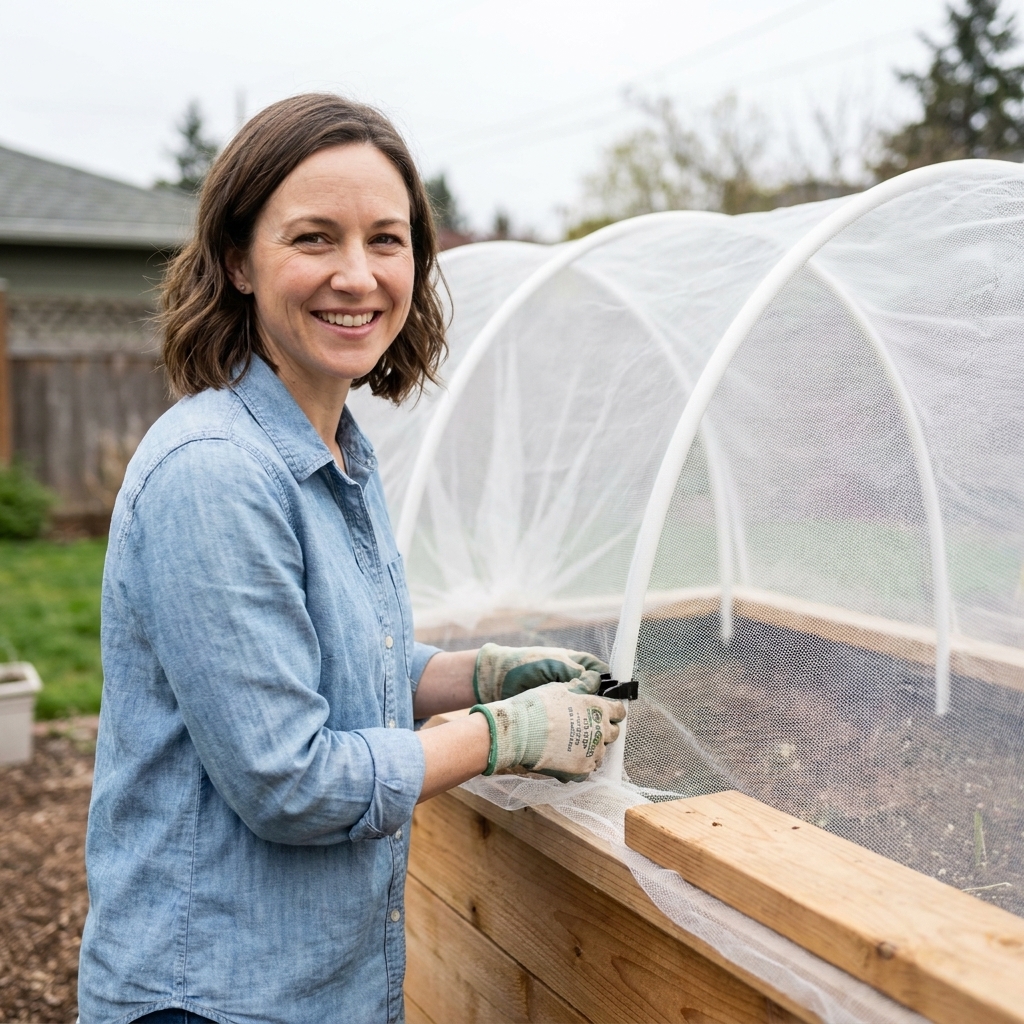
- Surface crusting and washouts: Depending on your soil mix and weather, the top can crust or compact after heavy rain. A light row cover, mesh, or even a thin layer of sifted compost can help stabilize moisture and protect seed.
- Birds and critters: A light row cover keeps snackers from undoing your work overnight.
Best vegetables to transplant
These are the crops where a few weeks indoors can make the difference between “meh” and “why is my bed overflowing.”
Warm-season slow starters
- Tomatoes
- Peppers (sweet and hot)
- Eggplant
These love heat and take their time early on. In many climates, direct sowing tomatoes and peppers outdoors is basically volunteering for a later and smaller harvest.
Brassicas
- Broccoli
- Cauliflower
- Cabbage
- Brussels sprouts
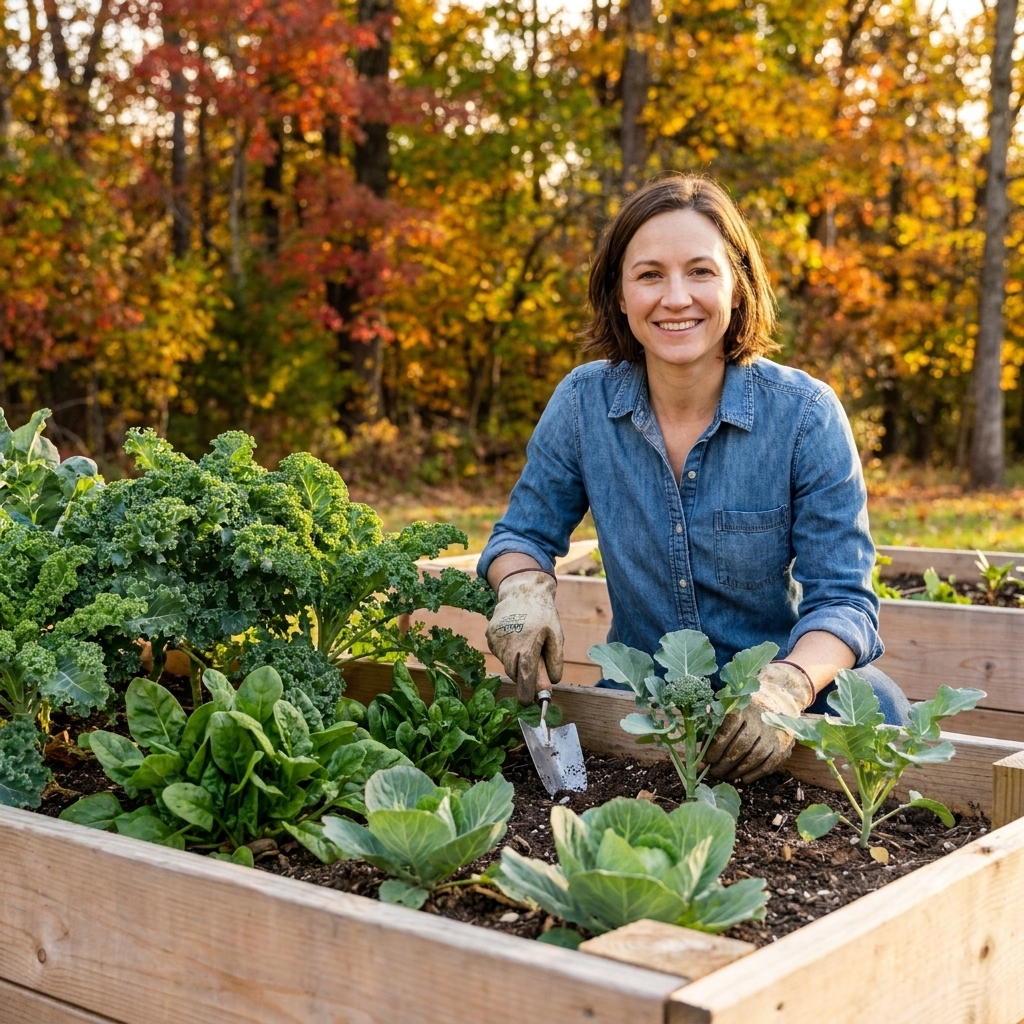
- Kale (direct sow works too, but transplants help plants tolerate early pest pressure)
Transplants let you time spring and fall brassicas more precisely, which matters because heat can ruin heading crops (cauliflower and cabbage especially). Getting them bigger sooner also helps them handle flea beetles and cabbageworm nibbling better, even if it does not make pests disappear.
Alliums
- Onions (sets or seedlings)
- Leeks (seedlings)
- Scallions (either way)
Onions are a timing game. Transplanting sets or starts makes it much easier to hit the bulb-forming window for your day length type.
Celery and other fussy starters
- Celery
- Celeriac
- Fennel (especially bulb fennel can be touchy; direct sow where possible, or start in paper/biodegradable pots and transplant young to reduce root disturbance and bolting)
Common herbs you usually transplant
- Basil (transplant for faster, more reliable starts; direct sow works once nights are warm and you can keep the surface moist)
- Thyme
- Oregano
- Rosemary
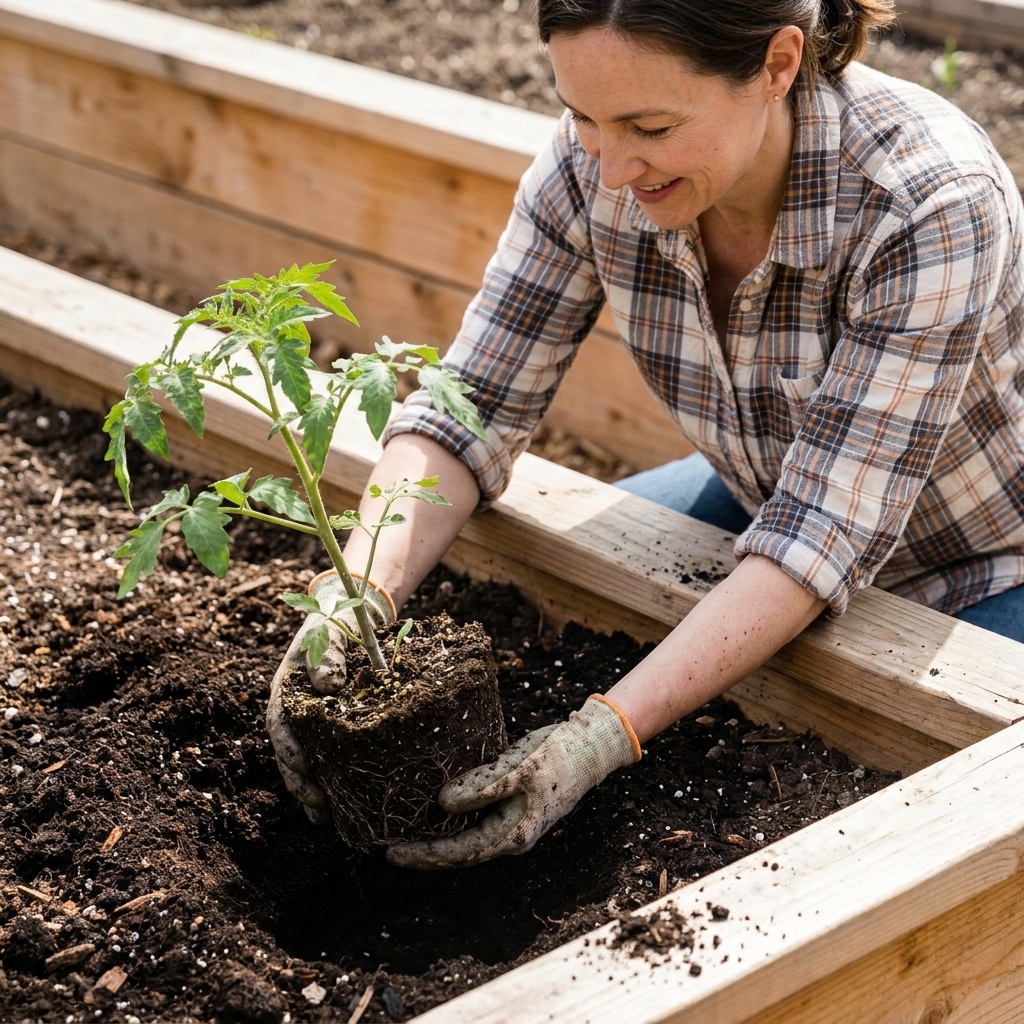
Transplanting pitfalls
- Skipping hardening off: Indoor-grown leaves can scorch fast. Give plants 7 to 10 days of gradual outdoor time.
- Planting out too early: Warm-season crops stall in cold soil. A stalled pepper is a pepper that takes its sweet time forgiving you.
- Not planting deep enough: Tomatoes can be planted deep (bury part of the stem). Peppers and eggplant generally should be planted at the same depth they were in the pot.
- Overfeeding at transplant time: Too much nitrogen pushes leafy growth over fruiting. Use compost and a gentle balanced fertilizer if needed, not a heavy hand.
The “either works” list
Some crops genuinely do fine either way. The better option depends on your season length, pest pressure, and how much babying you enjoy.
Cucumbers
Direct sow when soil is reliably warm and you can protect seedlings from slugs and beetles. Transplant if cucumber beetles are fierce early in the season or you want earlier harvests.
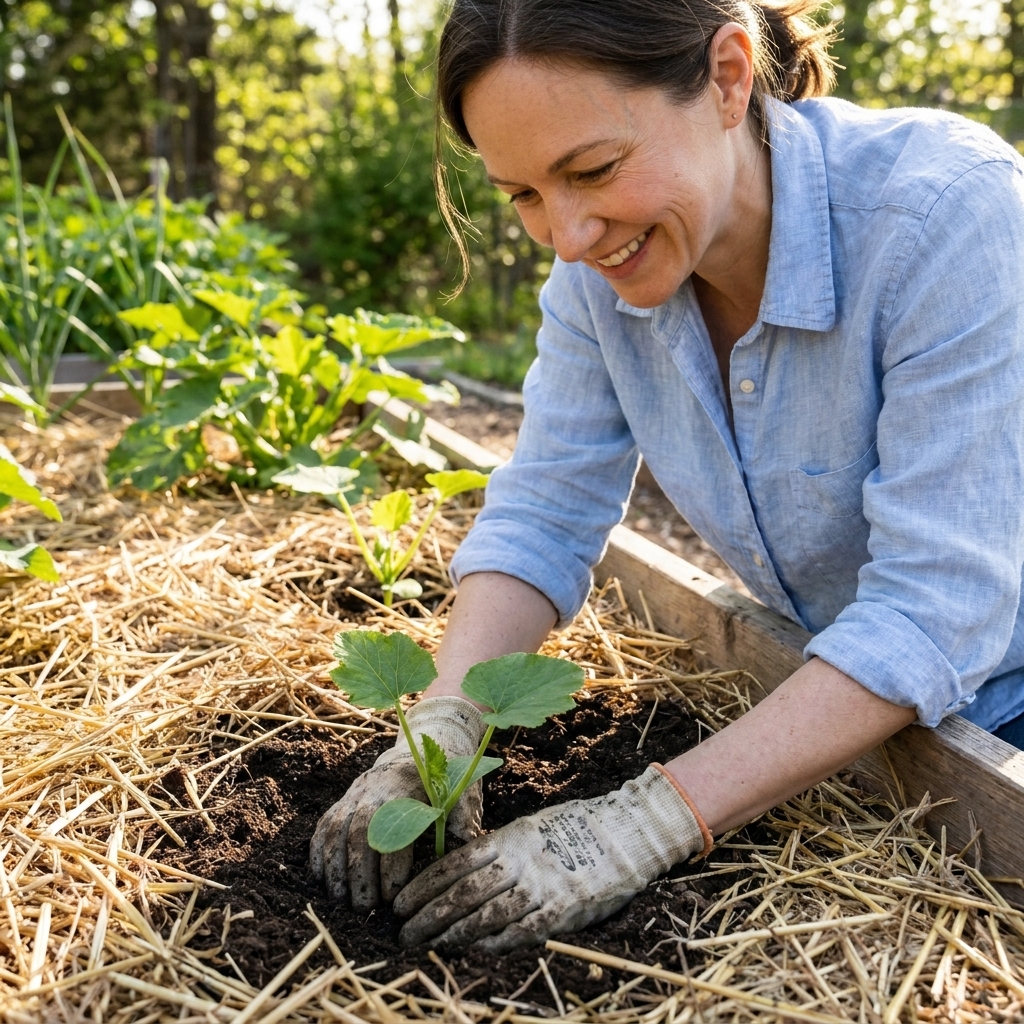
Squash, zucchini, pumpkins
I often direct sow because they take off fast in warm soil. I transplant if I need a jump start for a short season, but I do it young (1 to 2 true leaves) to avoid root disturbance.
Melons
Transplant is usually my pick in raised beds unless you live where summers start early and stay warm. Melons want heat, and a head start helps them size up before pests notice them.
Lettuce
You can direct sow for a cut-and-come-again patch, or transplant for perfectly spaced heads. If you want tidy rows and less thinning, transplants are oddly satisfying.
Chard
Both work well. I direct sow when I have open space, transplant when I need to plug chard into a specific gap after a crop finishes.
Timing in raised beds
Raised beds warm up faster in spring, which can tempt you to plant too early. Here’s how I think about timing:
- Direct sowing is limited by soil temperature and moisture. Loose raised bed soil is great, but if it is still cold, warm-season seeds sulk or rot.
- Transplants are limited by air temperature and nighttime lows. Even if the bed is warm, a cold snap can set back tomatoes and peppers.
- Raised beds dry out faster. Germination needs consistent moisture in the top inch. If you direct sow, plan to water lightly and frequently at first.
A simple temperature anchor: I usually wait until soil is roughly 60°F (16°C) for beans, and about 65 to 70°F (18 to 21°C) for cucumbers and squash. It is not a law, but it saves a lot of sulking seedlings.
My practical rule: If I cannot keep the top layer evenly moist for a week (travel, busy stretch), I transplant instead of direct sowing tiny seeds that are fussy about moisture.
Cheat sheet
| Vegetable | Best method | Why |
|---|---|---|
| Carrots | Direct sow | Taproot hates disturbance, better shape and yield |
| Beets | Direct sow | Easy germination, thinning beats transplanting |
| Radishes | Direct sow | So fast that starting indoors is not worth it |
| Peas | Direct sow | Stronger growth, less transplant shock |
| Beans | Direct sow | Quick and vigorous when soil is warm |
| Spinach | Direct sow | Best in cool soil, easy succession sowing |
| Potatoes | Direct plant | Seed pieces establish best in place |
| Garlic | Direct plant | Cloves root in place, typically planted in fall |
| Tomatoes | Transplant | Long season crop, major head start indoors |
| Peppers | Transplant | Slow early growth, needs consistent warmth |
| Eggplant | Transplant | Heat lover with long season needs |
| Broccoli | Transplant | More control over timing, better tolerance of early pests |
| Cabbage | Transplant | Uniform heads and steadier start |
| Onions | Transplant | Day-length timing, easier establishment |
| Basil | Transplant | Faster, more reliable start in many gardens |
| Cucumbers | Either | Direct sow in warm soil, transplant for earlier harvest |
| Zucchini | Either | Direct sow is simple, transplant for short seasons |
My go-to approach
If you want a simple system that works in most backyards, here is the rhythm I follow:
- Direct sow a spring round of peas, spinach, radishes, carrots, and lettuce as soon as the bed is workable and your weather allows.
- Transplant brassicas early (or for fall) so they get established before heat or pests peak.
- Transplant tomatoes, peppers, and eggplant only when nights are consistently mild. I would rather wait a week than stall them for a month.
- Direct sow beans once the bed is warm, then sow again a few weeks later for a longer harvest.
- Either sow or transplant cucurbits depending on pest pressure and how early you want fruit.
- Plant garlic in fall (if you grow it), then enjoy feeling smug the following summer.
Then I keep a small tray of “gap fillers” going. A few extra lettuce, basil, kale, or scallions make it ridiculously easy to replant empty spots as you harvest.
FAQ
Is direct sowing easier than transplanting?
It is simpler on paper, but it can be fussier in real life because you must manage moisture and protect tiny seedlings. Transplants cost more (or require indoor setup), but they skip the most delicate stage.
Can I transplant carrots or other root vegetables?
You can, but you probably will not like the results. Root disturbance often leads to forked, stubby, or misshapen roots. For carrots especially, direct sowing in fine, loose raised bed soil is the sweet spot.
Do raised beds change what I should start indoors?
They change timing more than they change the crop list. Warm beds help direct sowing succeed earlier, but warm-season fruiting crops (tomatoes, peppers, eggplant) still benefit from a head start in most climates.
What if I already started something that “should be direct sown”?
If it is young and you are gentle, you can sometimes transplant beets, chard, or even cucumbers and squash. Expect a small pause while it adjusts. For carrots and parsnips, I would re-sow instead.
The bottom line
Direct sowing shines for root crops, beans, peas, potatoes, garlic, and quick greens. Transplanting shines for slow warm-season crops, many brassicas, and a lot of common herbs. In raised beds, both methods can be wildly productive. The trick is matching the method to the plant’s root habits and your ability to keep the soil evenly moist during germination.
If you want one simple takeaway to tape to your seed box: taproots get sown, slowpokes get started indoors. Your raised bed will do the rest.