
Companion planting sounds a little magical, like your basil and tomatoes are holding hands and warding off trouble together. In my raised beds, it is less magic and more strategy. Tight spacing can invite pests faster, but it also lets us stack the deck by mixing in fragrant herbs, flowering plants, and “trap” crops that pull insects away from your main harvest.
One quick note before we get into the pairings: results vary a lot by region, season, and which pest you are actually dealing with. Use these as starting points, then pay attention to what shows up in your own beds.
Below are my go-to raised bed pairings that can help lower pest pressure naturally while improving growth and flavor. I will also share a few combinations I learned the hard way to avoid.
How companion planting works in raised beds
In a confined raised bed, companion planting is mostly about three things.
- Scent confusion: Aromatic plants like basil, thyme, chives, and onions can make it harder for some pests to lock onto their favorite crop. It is not guaranteed, but it can help tip the odds.
- Habitat for beneficials: Small flowers (alyssum, dill, cilantro when it blooms) feed hoverflies, lacewings, and tiny parasitic wasps that prey on aphids and caterpillars.
- Trap and decoy tactics: Some plants are more tempting than your main crop. Planted intentionally, they can lure pests away so you can intervene early.
A gentle reality check from one plant nerd to another: companion planting is not a force field. It works best paired with good basics like consistent watering, healthy soil, crop rotation, and a quick weekly pest check under leaves.
My best raised bed pairings (with what they help)
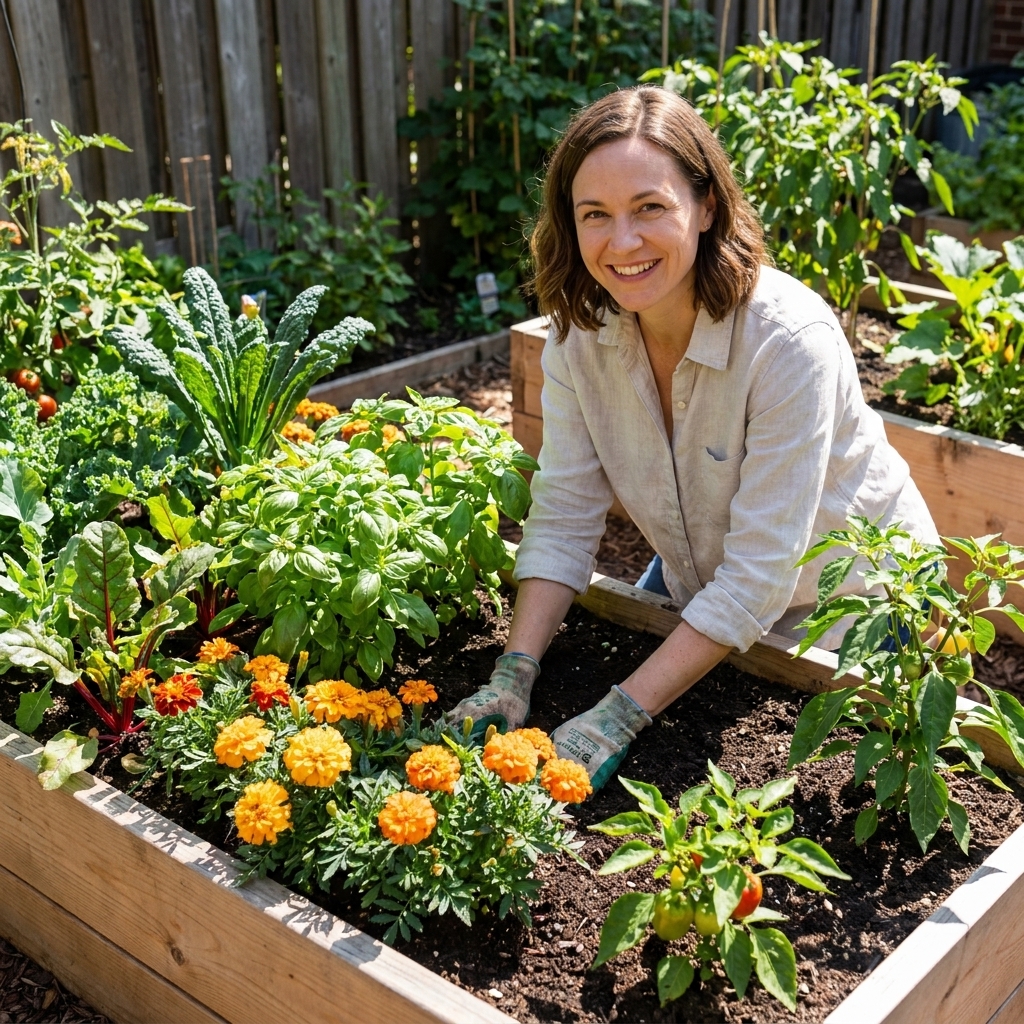
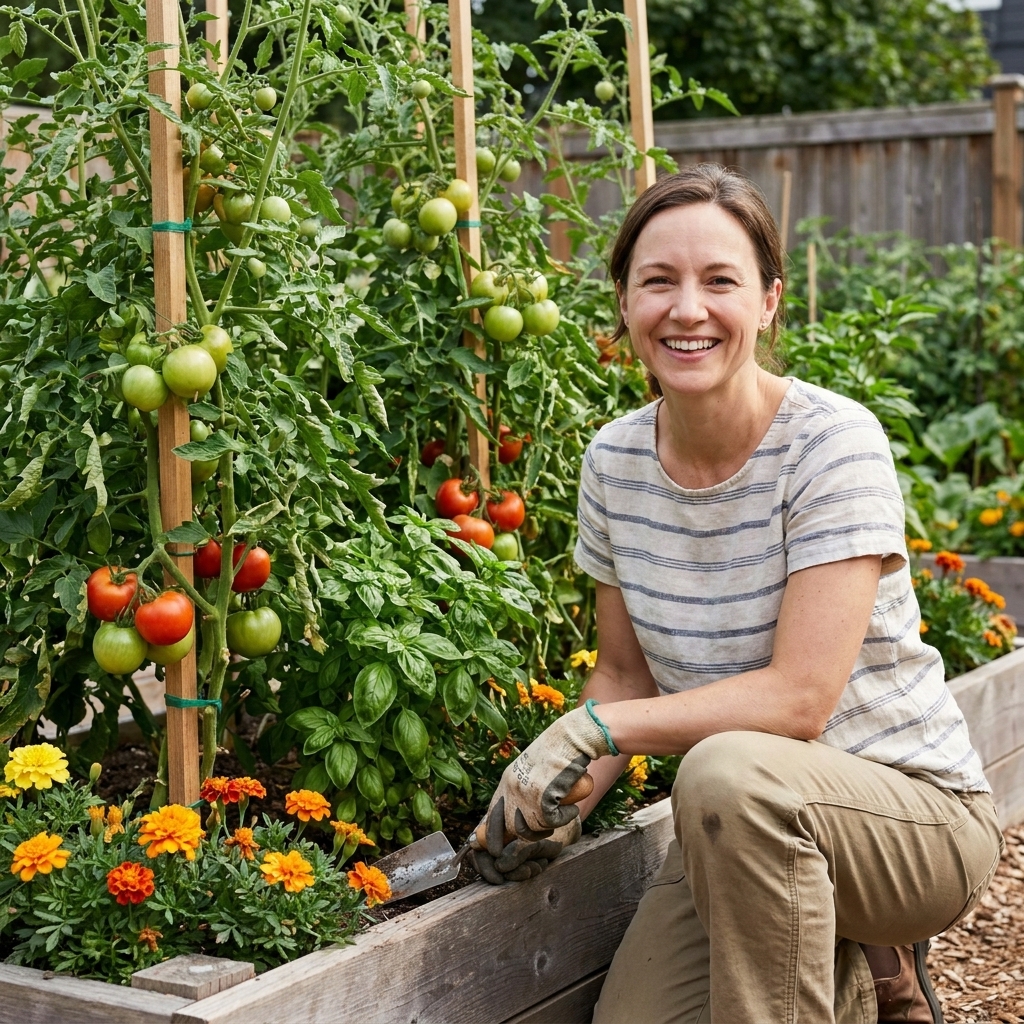
Tomatoes + basil + marigolds
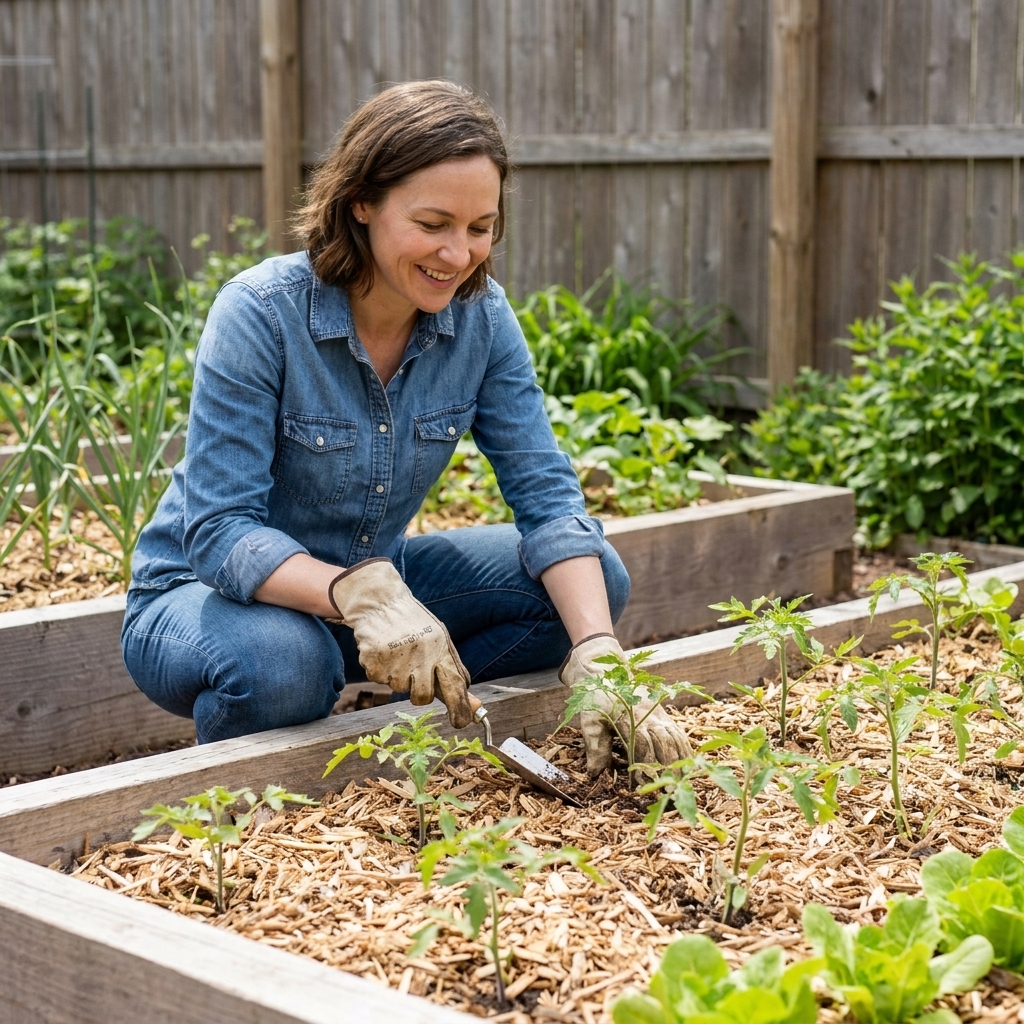
If I had to pick a “starter trio” for raised bed companion planting, this is it. Basil is compact, loves similar watering, and may help with scent masking around tomatoes. Mostly, I like it because it adds diversity in a tight space and gives me something to harvest while the tomatoes take their time. Marigolds add color and bring in beneficial insects. If I am being honest, my biggest win is usually more hoverflies and lady beetles cruising through, and fewer surprise aphid spikes.
Some gardeners plant marigolds for nematode suppression too, although results vary by species and timing. When it does work, it is most associated with certain Tagetes types (often French marigolds) grown densely for a while, not just a few border plants.
- Helps with: overall pest pressure, aphids and whiteflies (mostly indirectly by supporting beneficials)
- Raised bed spacing tip: Plant basil 8 to 10 inches from the tomato stem, closer to the edge of the bed. Tuck marigolds along the border.
Brassicas + dill (or cilantro flowers)
Kale, cabbage, broccoli, cauliflower, and collards are basically a caterpillar buffet. Dill and flowering cilantro are two of my favorite “beneficial insect magnets” near brassicas. When they bloom, they can support tiny parasitic wasps and other predators that target cabbage worms and similar pests. It is not instant control, but it helps build a little backup in your bed.
- Helps with: cabbage worms and aphids (by supporting beneficial insects)
- Raised bed spacing tip: Keep dill toward a corner or along an edge. It can get tall and floppy. If you succession sow cilantro, let one patch bolt and bloom on purpose.
Carrots + onions (or scallions, chives, leeks)
This pairing is classic for a reason. Onion-family plants have a strong scent that may reduce carrot rust fly pressure in some gardens. And carrots do not mind sharing root space as long as soil stays loose and rock-free.
- Helps with: carrot rust fly (sometimes), general scent masking
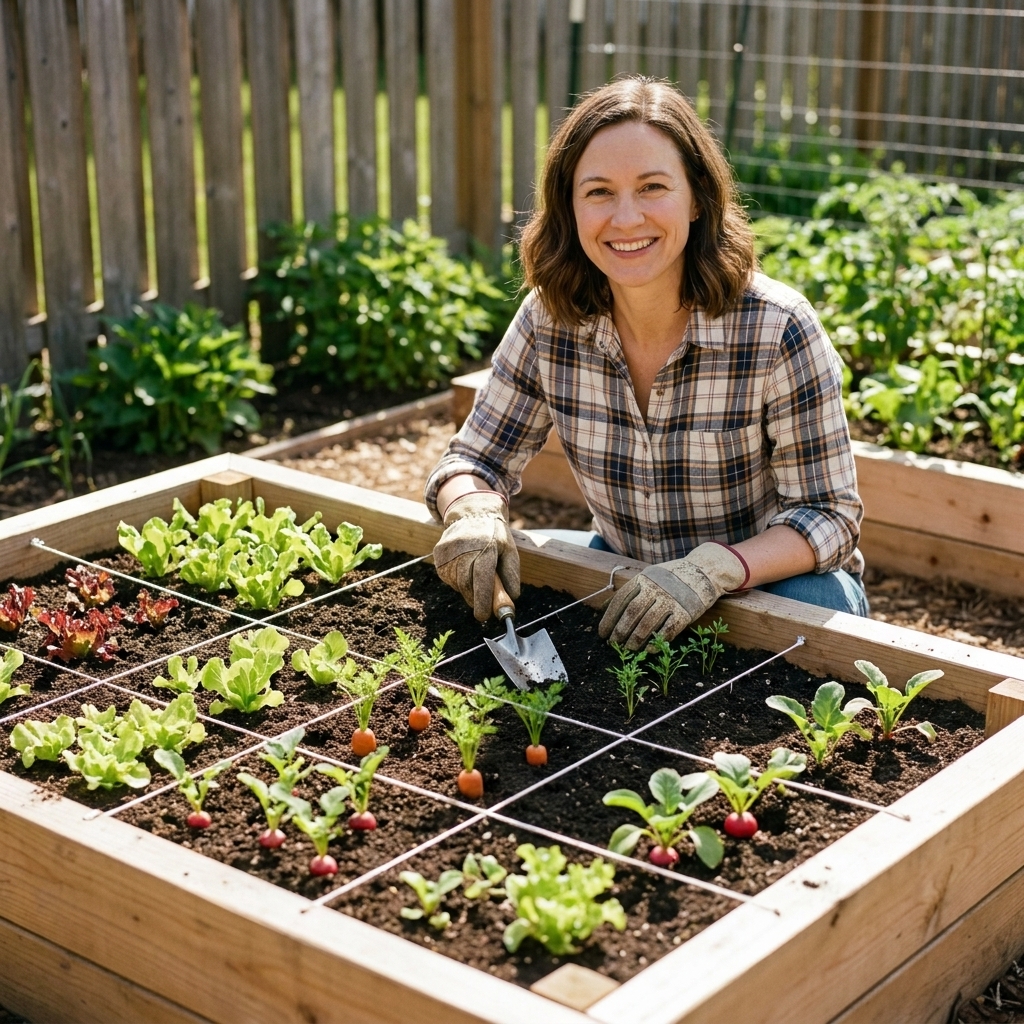
- Raised bed spacing tip: Plant onions in a row, then sow carrots 4 to 6 inches away in bands. In raised beds, I like alternating short onion rows with carrot bands to spread scent through the whole bed.
Cucumbers + nasturtiums + borage
Cucumbers can get hammered by aphids and beetles in a hurry. Nasturtiums can work as a decoy plant for aphids, and borage brings pollinators in like it is their job. Two cautions from experience: nasturtiums need watching so they do not turn into an aphid nursery that spills over onto your cucumbers, and borage can get big fast.
- Helps with: aphids (nasturtium as a decoy if monitored), improved pollination
- Raised bed spacing tip: Give borage space at a corner (it gets big and can self-seed). Let nasturtiums spill over the bed edge so they do not smother cucumber seedlings.
Zucchini and squash + radishes
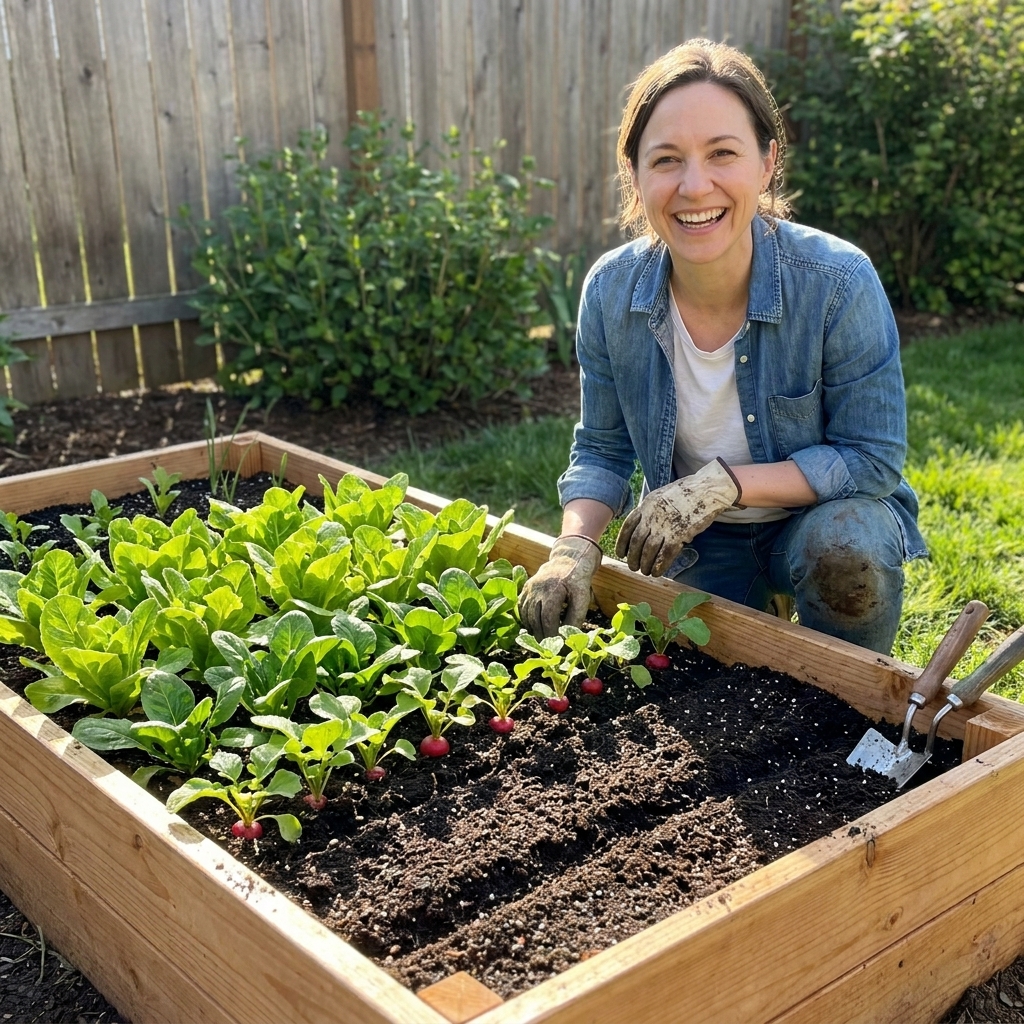
This is one of my “quiet helpers.” Radishes pop up fast, and I like them as an early catch crop and row marker while squash plants are still small. Depending on what is active in your yard, a ring of quick radishes can also attract some early chewing attention away from tender seedlings, which gives you a chance to notice the problem sooner.
- Helps with: early-season nibbling (variable), quick harvest, row marking
- Raised bed spacing tip: Sow radishes around the outer ring of where your squash will spread. Harvest radishes early, before squash leaves shade them out completely.
Lettuce + sweet alyssum
Lettuce is tender and attracts aphids. Alyssum is a low, sweet-smelling flower that pulls in hoverflies. Hoverfly larvae are tiny aphid-eating machines. This pairing is especially helpful in spring and fall beds when you are growing lots of greens.
- Helps with: aphids (via hoverflies and other beneficial predators)
- Raised bed spacing tip: Plant alyssum in small clumps every 12 to 18 inches along the border, then fill the interior with lettuce.
Peppers + green onions + oregano
Peppers appreciate warm soil and consistent moisture, and I have had good luck surrounding them with onion-family plants and a small oregano patch. Oregano flowers are a pollinator party later in the season, and the foliage adds scent diversity close to the pepper canopy.
- Helps with: general pest pressure through scent diversity, beneficial habitat when oregano blooms
- Raised bed spacing tip: Keep oregano to the edge and trim it. It can sprawl. Use scallions or bunching onions tucked between pepper plants.
Beans + summer savory (or thyme)
Beans are usually easy, but aphids can show up fast, and overcrowded foliage can stay too damp. Summer savory is an old-school companion for beans, and thyme works similarly in a small raised bed: low growth, aromatic foliage, and lots of tiny flowers for beneficial insects if allowed to bloom.
- Helps with: aphids (via beneficial support), better bed diversity
- Raised bed spacing tip: Plant savory or thyme as a small edging plant, and keep beans trellised to improve airflow.
Strawberries + borage (or alyssum)
If you have a raised bed dedicated to strawberries, tuck borage or alyssum nearby. More pollinator visits generally means better berry shape and yield. Borage also tends to attract a lot of predatory insects, which can help keep small pests from running wild. Just remember borage can self-seed enthusiastically if you let it go to seed.
- Helps with: improved pollination, general beneficial insect activity
- Raised bed spacing tip: Borage is big, so grow one plant at a corner or just outside the bed if you can. Alyssum is easier if space is tight.
Fast raised bed layouts that make companion planting easier
Border planting
Use the perimeter of your bed for your “helpers,” and keep the center for your main crop.
- Border plants: marigolds, alyssum, chives, green onions, thyme, nasturtiums (spilling outward)
- Center plants: tomatoes, peppers, brassicas, cucumbers, eggplant
This approach keeps aggressive herbs from taking over, and it makes watering and harvesting simpler.
Patch planting for blooms
Instead of sprinkling single flowers everywhere, plant one dense clump of alyssum or let one dill or cilantro patch flower. Beneficial insects find bigger targets more easily than a lonely bloom.
Trellis + underplanting
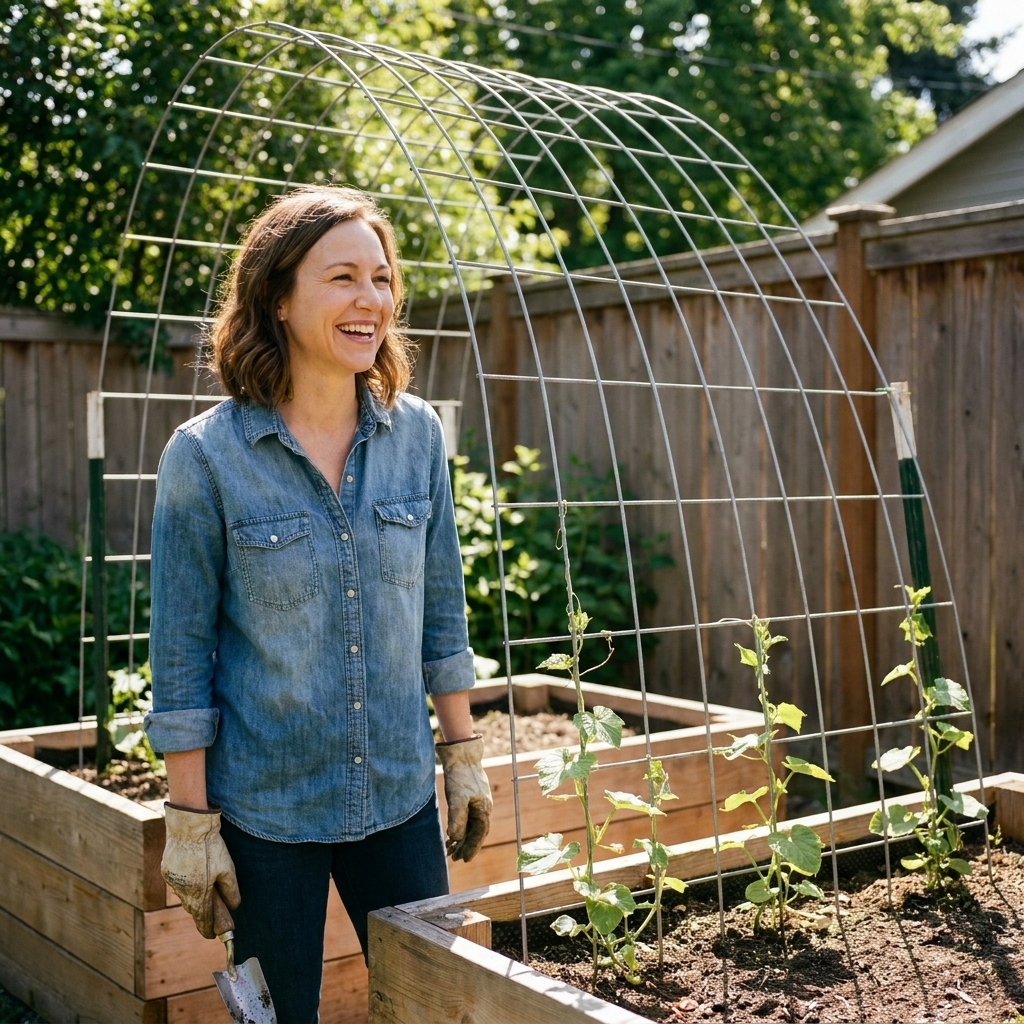
Raised beds shine when you grow up. Trellis cucumbers, pole beans, or indeterminate tomatoes, then underplant with basil, scallions, lettuce, or alyssum. Vertical growing improves airflow, which alone can reduce pest and disease issues.

Companion plants that earn their keep
If you only have room for a few multipurpose helpers, these are my top picks for raised beds.
- Sweet alyssum: compact, long-blooming, hoverfly magnet.
- Basil: great under tomatoes, easy to harvest, fragrant.
- Chives or scallions: tuck anywhere, strong scent, minimal footprint.
- Dill: excellent beneficial insect support once flowering, but give it a corner.
- Nasturtiums: spill over the edge, can act as a decoy for aphids, edible flowers (monitor closely).
- Thyme or oregano: living mulch vibes along the edge, flowers feed beneficials.
- Borage: pollinator magnet, but large and prone to self-seeding if not deadheaded.
Pairings to avoid
Not every “companion” suggestion works out in the real world, especially when you are planting in a tight bed. Here are the combos that tend to cause problems.
Tomatoes + potatoes
They are close relatives and share diseases and pests. In a raised bed, that can mean issues spread quickly. I keep them in separate beds and rotate their locations.
Onions/garlic + beans/peas
Alliums may reduce growth in legumes in some gardens, especially when planted very close. If you want both in a small space, give them a little distance, or use an herb like thyme near beans instead.
Fennel + most vegetables
Fennel can be a tough neighbor due to competition and possible allelopathic effects. If you love fennel, giving it its own container is the easiest way to keep the peace.
Mint + your raised bed
Mint is wonderful for pollinators when it flowers, but it spreads like it is being paid. Grow it in a pot, then place the pot near the bed if you want the scent.
Overcrowding “for pest control”
I have tried cramming in extra companions as a quick fix, and it backfired. Dense foliage can reduce airflow, raise humidity, and invite fungal issues. In raised beds, balance is everything.
Pests vs disease
A lot of gardeners (me included) start companion planting because we are sick of bugs, but many raised bed problems are disease and stress issues that companions cannot fix on their own.
- Airflow is a big deal: Space plants realistically, trellis when you can, and prune tomatoes so leaves are not piled in a damp heap.
- Water smart: Water at the base in the morning if possible. Wet leaves overnight are a mildew invitation.
- Do not ignore the first spot: Pull a badly mildewed leaf, remove a blighted tomato branch, or thin an overcrowded patch early. You will save yourself weeks of frustration.
Natural pest control habits that amplify companion planting
Companion planting works best when it is part of a bigger routine. These are my raised bed non-negotiables.
- Check leaves weekly: Flip a few leaves on each plant and look for eggs, clusters of aphids, or chewing damage. Early action is easy action.
- Mulch lightly: Straw, shredded leaves, or untreated grass clippings help keep soil moisture steady and reduce stress on plants.
- Water at the base: Wet foliage can invite disease and make stressed plants more attractive to pests.
- Work your trap crop: If nasturtiums are covered in aphids, treat the nasturtiums, not your whole bed. Blast them with water, pinch off the worst stems, or pull that plant and toss it. That is the whole point of a decoy.
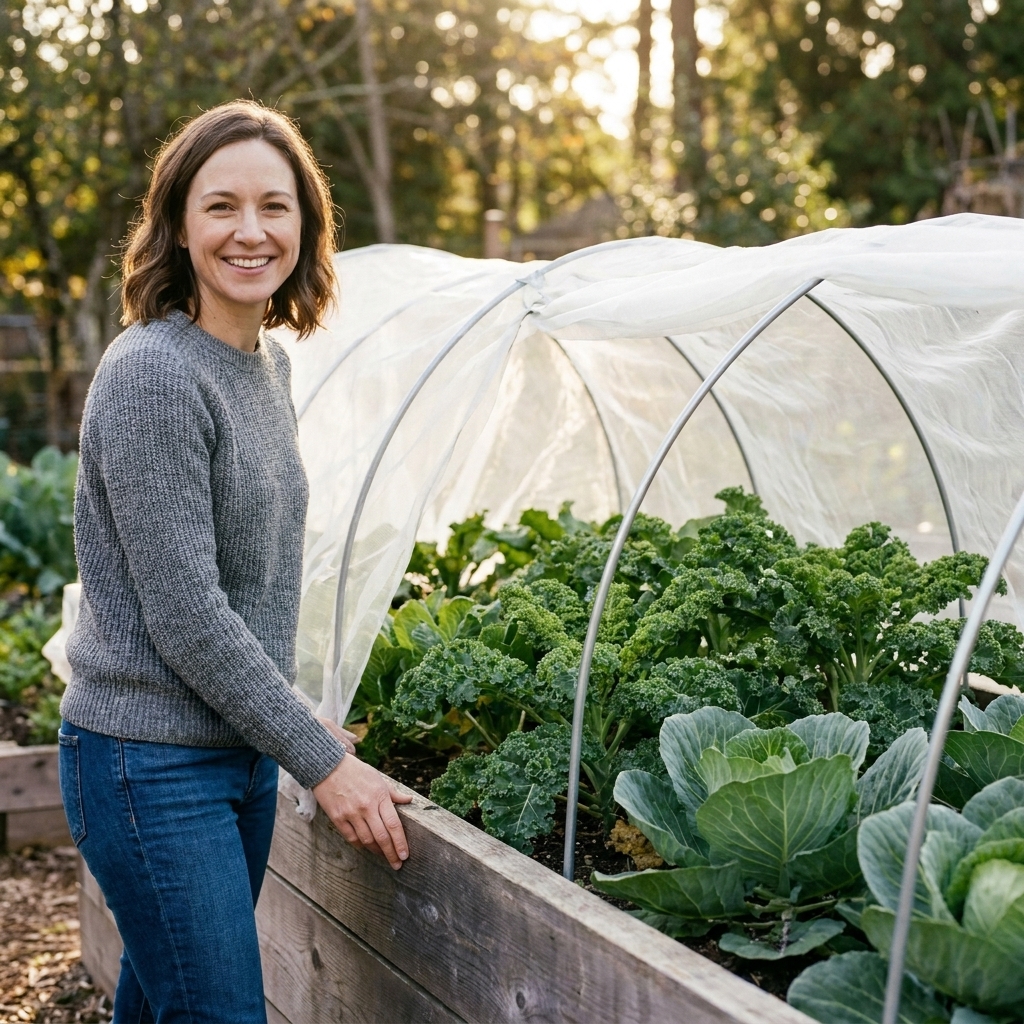
- Use covers when needed: If cabbage moths are relentless, a lightweight insect net over brassicas can be the difference between harvesting kale and feeding caterpillars all season.
Quick companion planting cheat sheet
| Main crop | Best companions for raised beds | What it helps with |
|---|---|---|
| Tomatoes | Basil, marigolds, scallions | Scent diversity, beneficial insects |
| Brassicas (kale, broccoli, cabbage) | Dill, flowering cilantro, alyssum | Beneficial predators and parasitoids |
| Carrots | Onions, chives, scallions | Scent masking (sometimes) |
| Cucumbers | Nasturtiums, borage, dill | Decoy support, pollination |
| Lettuce | Alyssum, chives | Aphid predators |
| Peppers | Green onions, oregano, basil | Scent diversity, beneficial habitat |
| Beans | Summer savory, thyme | Beneficial support, airflow when trellised |
FAQ
Do companion plants have to be right next to the crop?
Close helps, especially for scent-based companions like onions and basil. In a raised bed, I aim for companions within 6 to 18 inches of the crop I am trying to support, often along the border or tucked between plants.
Will marigolds keep pests off everything?
Marigolds are helpful, but they are not a universal shield. Think of them as one tool: they add biodiversity, bring in beneficial insects, and can be part of a pest management plan. If you have a major outbreak, you still may need to hand-pick, spray with water, use insecticidal soap, or cover plants.
Can I companion plant in a 4x4 raised bed?
Absolutely. In fact, small beds are perfect for it. Use edges for compact helpers (alyssum, chives, basil) and keep taller or sprawling companions (dill, borage, nasturtiums) to corners or outside edges so they do not crowd your main crop.
What is the easiest companion planting combo for beginners?
Tomatoes with basil and a border of marigolds or scallions. It is simple, forgiving, and you get an immediate kitchen payoff from the herbs.