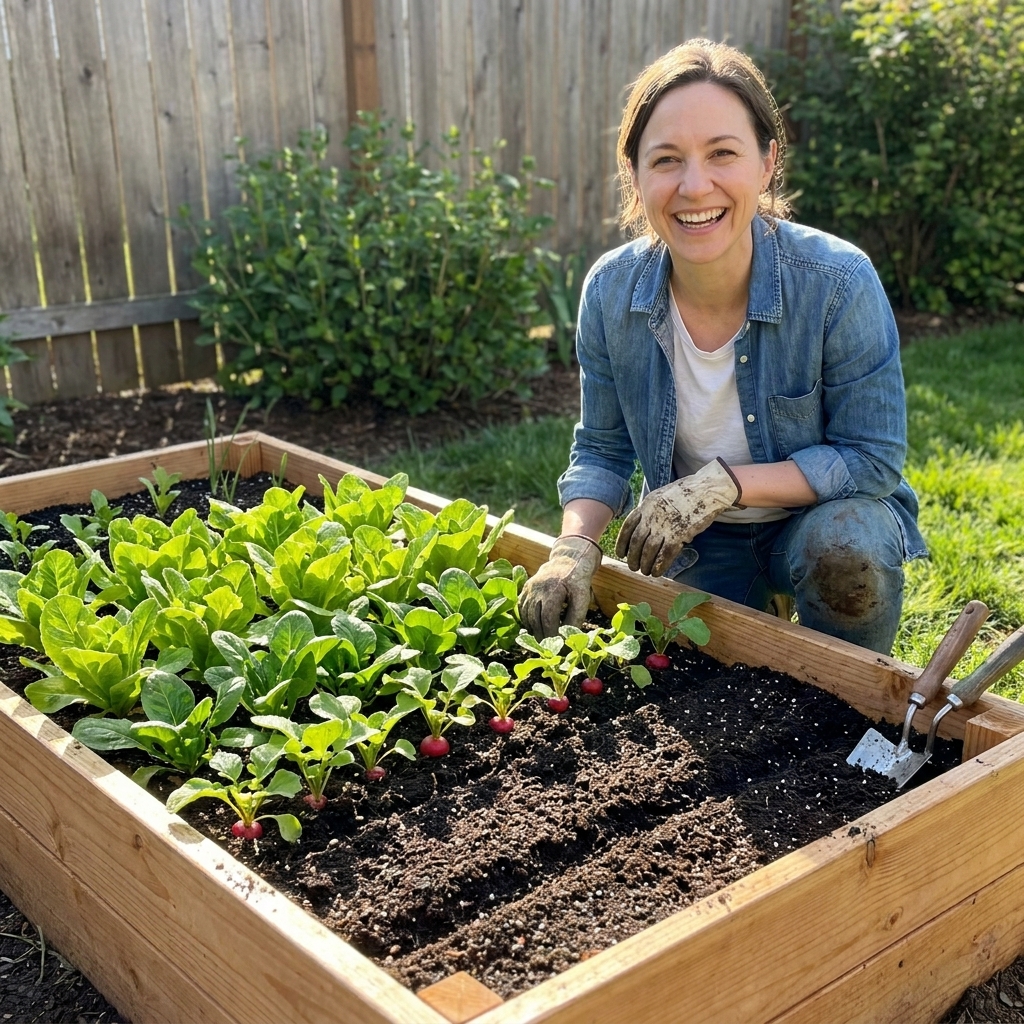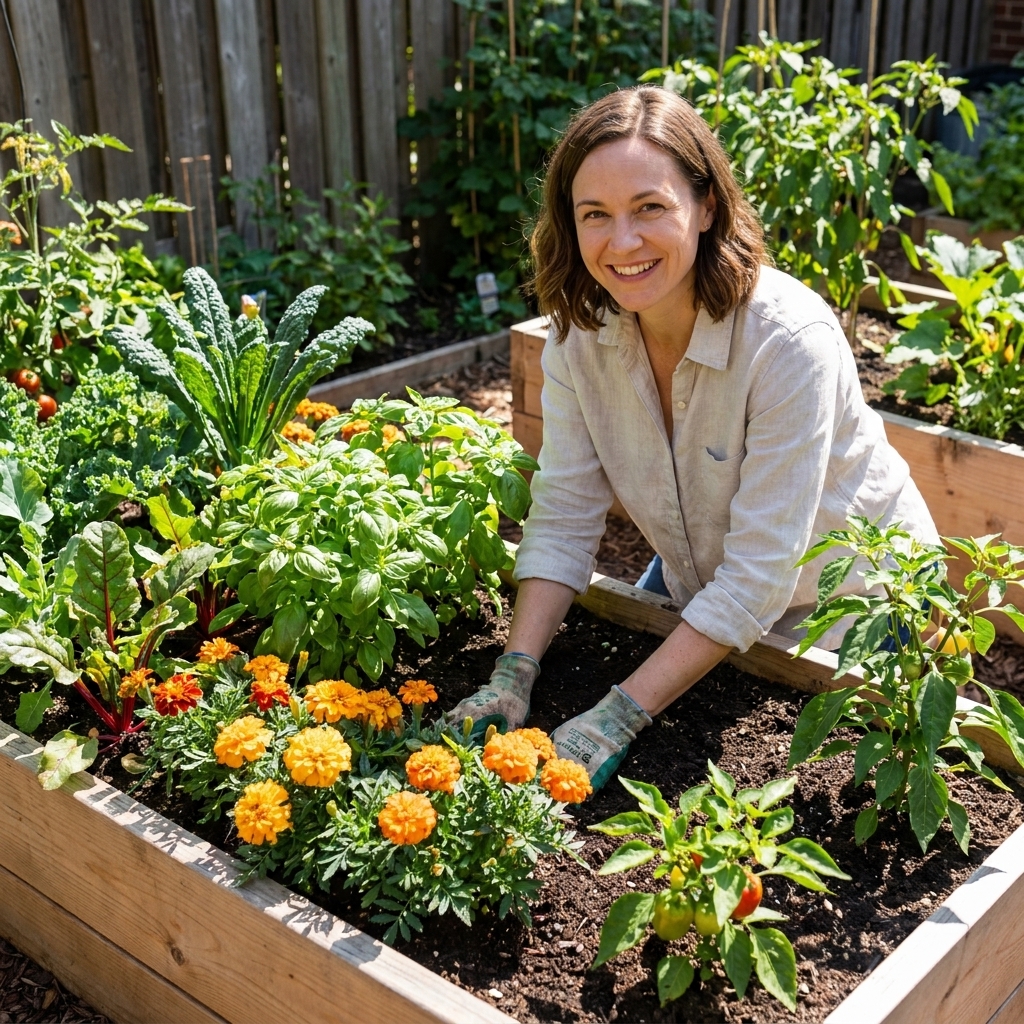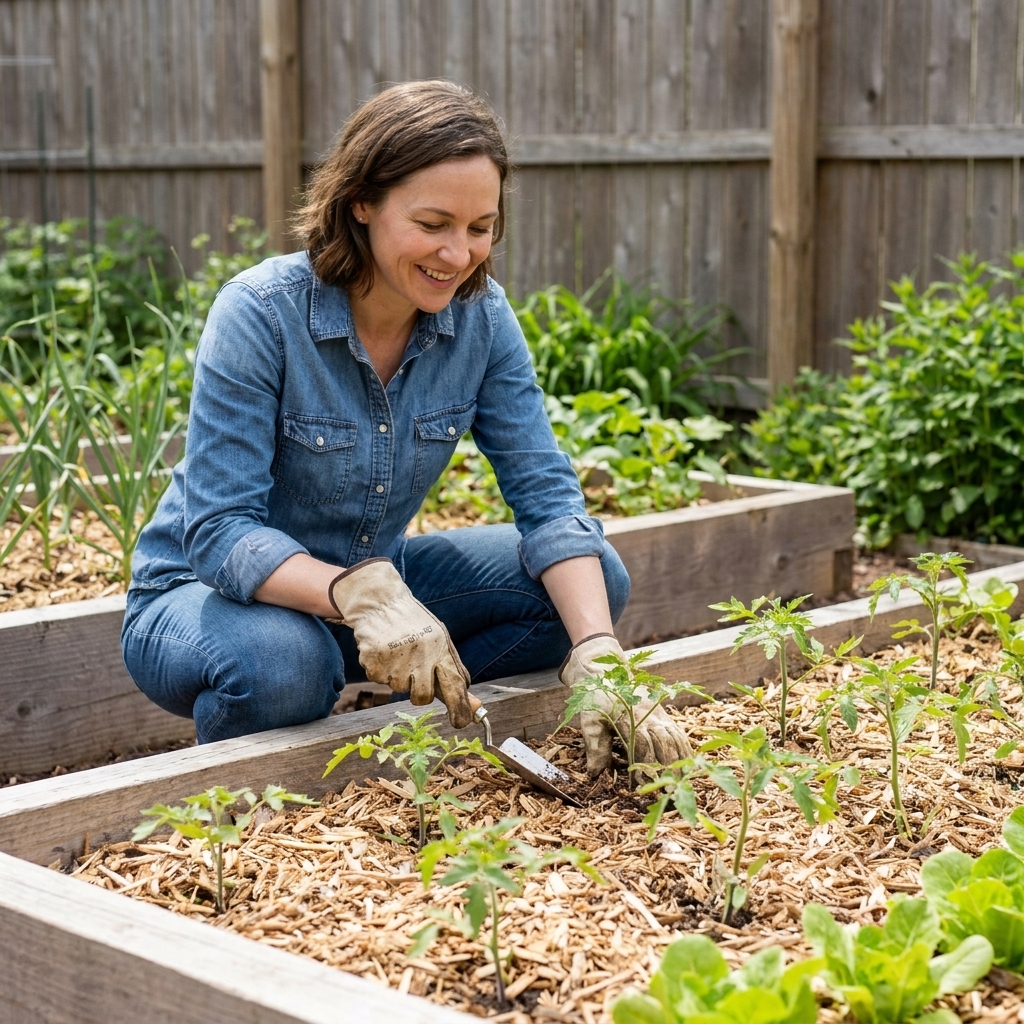

If you have two or three raised beds, crop rotation can feel like one of those “sounds nice in theory” gardening rules. I get it. My first backyard boxes were basically a revolving door of tomatoes because I could not imagine putting anything else in the sunniest corner. Then I met my not-so-friendly neighborhood regulars: blight, wilting, and stunted plants that acted like my soil had given up.
The good news is you do not need a farm-sized layout to rotate crops and reduce soil-borne diseases. You just need a simple way to think in plant families, a realistic rotation rhythm, and a tracking system you will actually use.
Why rotation matters
Raised beds often grow more intensively than in-ground gardens. We plant closer, fertilize more, and tend to reuse the same prime real estate for our favorites. That intensity is wonderful for harvests, but it can also encourage soil-borne problems to build up.
What rotation helps prevent
- Soil-borne diseases that linger in soil or plant debris (think many wilts, rots, and blights).
- Pest cycles when the same crop family shows up in the same bed every year.
- Nutrient imbalances when heavy feeders keep pulling the same nutrients from the same spot.
Rotation is not magic, and it will not stop every issue. Wind can bring spores, and pests can fly in. But rotation is a low-effort habit that stacks the odds in your favor, especially when paired with good sanitation and healthy soil.
Rotate by plant family
This is the single biggest “aha” for small-bed rotation. Many pathogens and pests often track with family, not just an individual vegetable. So swapping tomatoes for peppers usually does not count as rotation because they are close cousins. (There are exceptions, though: some problems are crop-specific, and others have a wide host range.)
Common families
| Plant family | Includes | Common disease and pest concerns |
|---|---|---|
| Nightshades (Solanaceae) | Tomatoes, peppers, eggplant, potatoes | Early blight, verticillium and fusarium wilt, nematodes; Colorado potato beetle (especially potatoes and eggplant) |
| Brassicas (Brassicaceae) | Broccoli, cabbage, kale, collards, cauliflower, kohlrabi, bok choy, radish, turnip | Clubroot, black rot, cabbage worms, flea beetles |
| Alliums (Amaryllidaceae) | Onions, garlic, leeks, shallots, chives | White rot, onion maggot, thrips |
| Legumes (Fabaceae) | Peas, beans | Root rots, bean beetles, aphids |
| Cucurbits (Cucurbitaceae) | Cucumbers, zucchini, summer squash, winter squash, pumpkins, melons | Powdery mildew (mostly foliar), bacterial wilt (regionally variable), squash vine borers (mostly squash and pumpkins) |
| Carrot family (Apiaceae) | Carrots, parsnips, celery, dill, cilantro, parsley, fennel | Root issues, carrot rust fly in some regions |
| Amaranth family (Amaranthaceae) | Beets, chard, spinach | Leaf miners, some damping-off in seedlings |
| Lettuce family (Asteraceae) | Lettuce, endive | Downy mildew, aphids |
Rule of thumb: If you rotate your nightshades and brassicas thoughtfully, you have already done a lot of the heavy lifting for disease prevention in a small space.
Rotation schedules
Classic crop rotation advice often says “wait 3 to 4 years” before planting the same family in the same spot. In a tiny raised-bed garden, that can be hard. It is also not one-size-fits-all: some diseases need longer breaks (clubroot, for example, can persist for many years).
Here is how I make rotation work without buying new beds every season.
Quick rotation chart
- 2 beds: alternate your main “problem families” year to year.
- 3 beds: nightshades → brassicas → mixed, then repeat.
- 4 beds: nightshades → brassicas → cucurbits → mixed, then repeat.
Option A: Two beds
If you only have two beds, aim for a two-year rhythm and prioritize the families most likely to cause trouble in your garden.
- Year 1: Bed 1 nightshades, Bed 2 mixed (brassicas, roots, greens, alliums, legumes)
- Year 2: Swap, and tuck legumes in wherever you have space
This is not perfect, but it breaks the “tomatoes forever” cycle, which is where many raised bed gardens get stuck.
Option B: Three beds
With three beds, you can create a genuinely helpful rotation that still fits reality.
- Bed A: Nightshades
- Bed B: Brassicas
- Bed C: Mixed (roots, greens, alliums, legumes, herbs, flowers)
Next year, move each group to the next bed. This gives nightshades and brassicas a two-year break, and it keeps planning simple.
Option C: Four beds
If you have four beds, you can rotate the big families and still have breathing room:
- Nightshades
- Brassicas
- Cucurbits
- Mixed (roots, greens, alliums, legumes)
Then shift each group one bed over every year. This starts to resemble the longer rotations you see in bigger gardens, just scaled down.
Track it simply
The best rotation system is the one you will use when you are tired in late summer and already thinking about next season.
1) Name your beds
Call them Bed A, Bed B, Bed C (or North, South, Fence, Patio). The goal is to avoid “the one by the hose” confusion next spring.
2) Keep one record
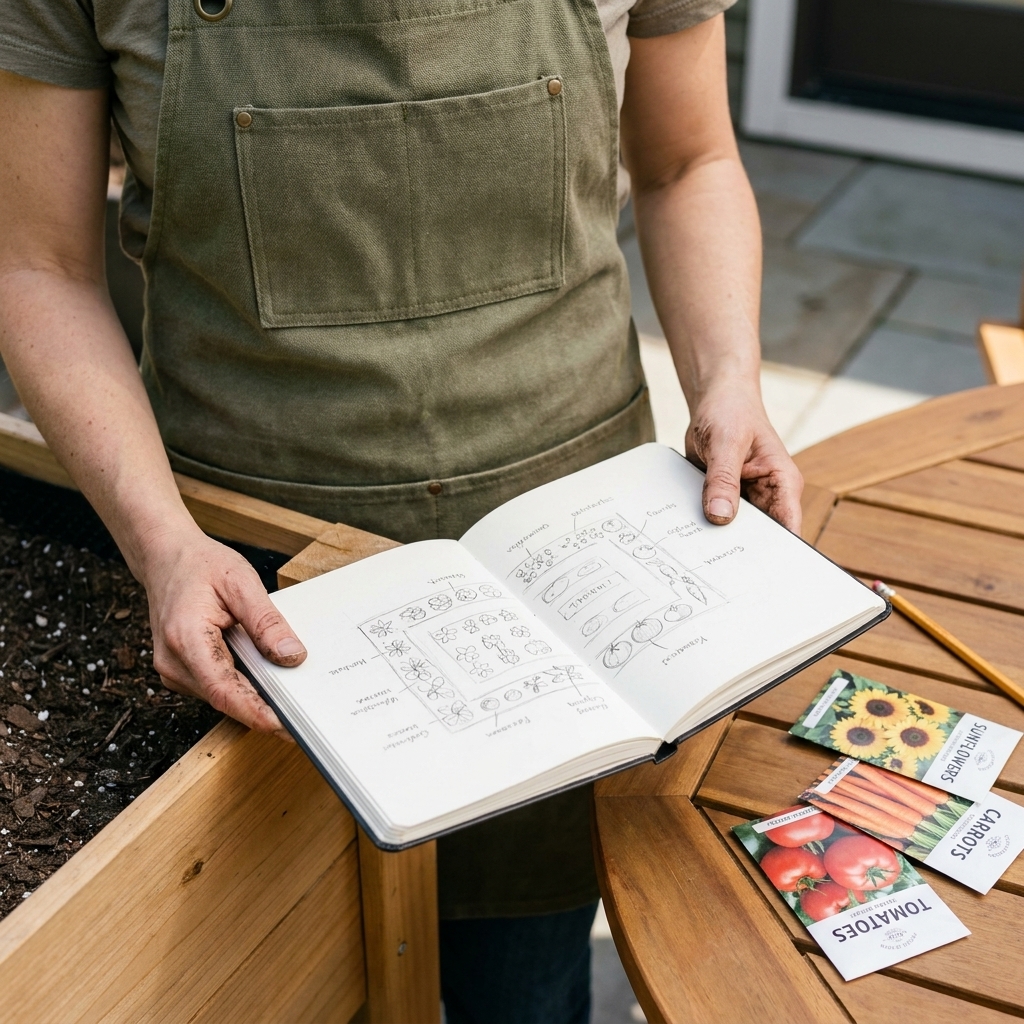
- Notebook: Draw rectangles and write the main families that lived there.
- Phone note: “2026 Bed A: tomatoes + basil, Bed B: kale + radish, Bed C: beans + carrots.”
- Printed map: Tape it inside a cabinet door where your seeds live.
I like recording the dominant family in each bed for each season. If I had lettuce tucked under tomatoes, I still mark that bed as “nightshade year.”
3) Use family tags for succession
In small raised beds, you are probably succession planting. That is great, but it can scramble rotation unless you stay family-aware.
Try this: pick a main family for a bed for the warm season, then keep your follow-up crops in a different family that does not create the same disease pressure. For example:
- After peas (legume), plant carrots (Apiaceae) or lettuce (Asteraceae).
- After early potatoes (nightshade), plant bush beans (legume) or fall greens.
- After spring brassicas, plant summer basil and lettuce, not more brassicas.
The goal is not perfection. It is avoiding repeated back-to-back runs of the same family in the same soil.
When space is tight
If your entire garden is two raised beds and a couple of containers, you can still meaningfully reduce disease risk. Here are the tricks I lean on in my smallest spaces.
Rotate by zones
Even a 4x8 bed can be mentally split into halves or quarters. If tomatoes were in the back left last year, put them in the front right this year and plant a different family where they used to sit.
This is not as strong as rotating whole beds, but it helps, especially when combined with compost top-ups and good cleanup.
Use containers as relief
If you cannot give tomatoes a break in your beds, grow them in a large pot for a season. A single 15 to 25 gallon container can buy your raised bed soil a year off from nightshades.
This is also why a lot of gardeners like growing potatoes in grow bags or containers. It is easier to move them around, refresh the mix, and keep your main beds from becoming “nightshade beds forever.”
Choose resistant varieties
When rotation is limited, variety choice matters more. Look for tomato varieties with resistance codes like V (verticillium), F (fusarium), and N (nematodes). Resistant does not mean immune, but it can prevent a small problem from becoming a season-ending one.
More disease prevention
Rotation works best as part of a whole-bed hygiene routine. These are the habits that made the biggest difference in my raised bed garden.
Clean up plant debris
- Remove diseased leaves and plants promptly. Do not “wait and see” once something is clearly failing.
- At season’s end, pull roots of diseased crops instead of chopping and dropping.
- If you compost at home, only compost healthy plants. Put clearly diseased material in the trash or a municipal hot compost program if you have one.
Mulch to reduce splash
Many diseases spread when soil splashes onto leaves during watering or rain. A 2 to 3 inch layer of clean straw, shredded leaves, or untreated grass clippings (thin layers) helps. Mulch also steadies moisture, which reduces plant stress and makes diseases less likely to take hold.
Water at the base
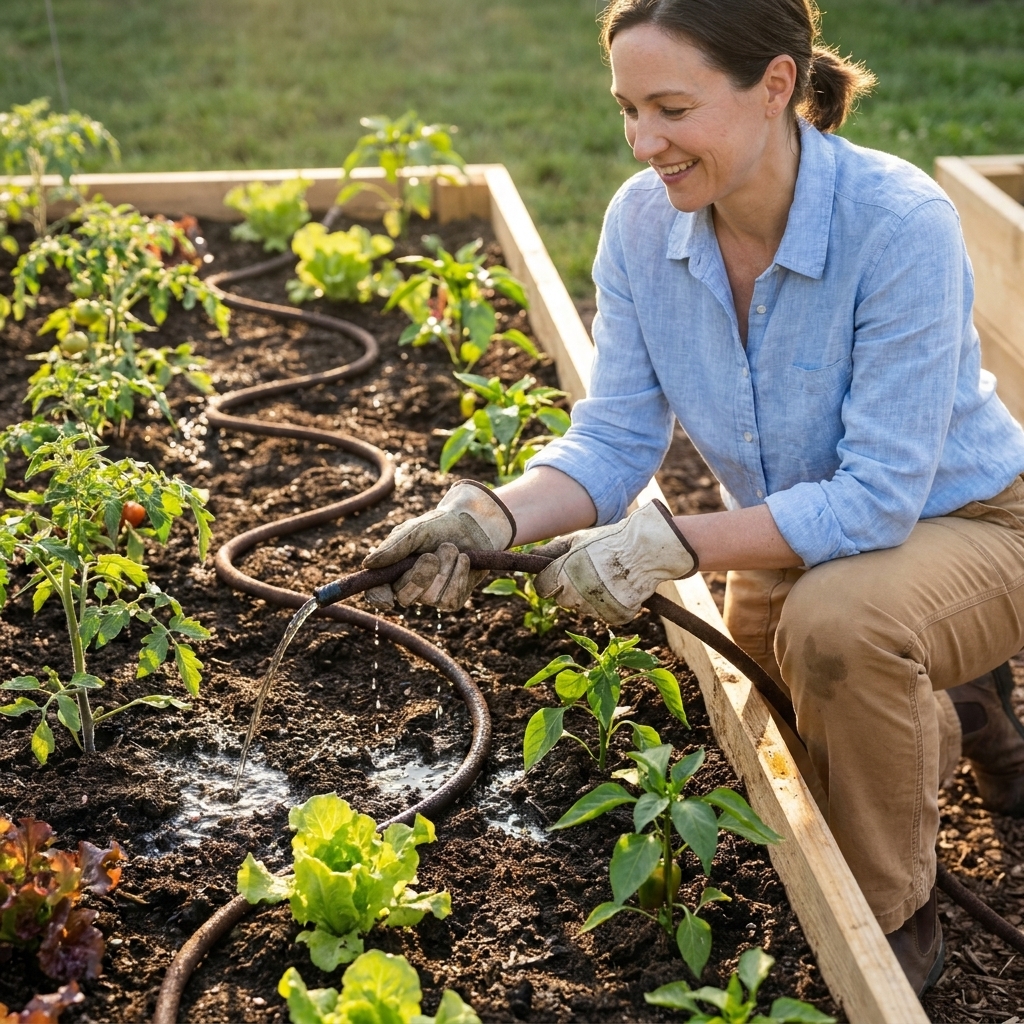
Drip lines, soaker hoses, or careful hand watering keep foliage drier. In raised beds, this one change can be huge for tomatoes and cucurbits.
Compost, but keep it finished
I love compost. I also learned the hard way that adding unfinished compost or piling on an extra-thick, rich topdressing can hold too much moisture and encourage overly lush, crowded growth. Aim for finished compost, use a reasonable layer, and avoid piling it up against stems.
If you suspect disease
If you are seeing repeat issues in the same bed, rotation becomes more urgent. Here is how I approach it without panic.
Step 1: Spot the pattern
Ask yourself:
- Is it the same crop family struggling each year?
- Is it happening in one bed more than others?
- Do symptoms show up around the same time, like mid-summer heat?
Patterns help separate “weather and bad luck” from a problem that is living in your soil.
Step 2: Give that family a longer break
If tomatoes are repeatedly getting wiped out, do not plant nightshades in that bed for at least 2 to 3 seasons if you can. Use the bed for beans, carrots, beets, lettuce, onions, and herbs while you rebuild momentum. If you suspect clubroot in a brassica bed, plan for a much longer break from brassicas.
Step 3: Refresh the top layer carefully
In raised beds, you can replace the top 3 to 6 inches of soil mix more easily than in-ground. That can help with drainage and can reduce pathogen load near the surface, but it is not a reset button. Some pathogens persist deeper in the bed or ride along in roots and old debris, so cleanup and rotation still matter.
Step 4: Consider a soil test
If a bed keeps failing despite rotation and good care, it can be worth contacting your local extension service for help identifying the culprit. Knowing whether you are dealing with a specific wilt, nematodes, or something else can save you years of frustration.
Copy these plans
Here are a few “plug and play” examples for common raised bed setups. Adjust the specific crops based on what you actually eat.
Three beds
- Bed A (Nightshades): tomatoes, peppers, basil
- Bed B (Brassicas): broccoli, kale, radish, nasturtiums
- Bed C (Mixed): onions, carrots, beets, lettuce, bush beans
Next year: A becomes brassicas, B becomes mixed, C becomes nightshades.
Two beds
- Bed 1: tomatoes and peppers (nightshades) with marigolds
- Bed 2: cucumbers and zucchini (cucurbits) with a spring run of peas
Next year: put cucurbits in Bed 1, and nightshades in Bed 2. Fit your brassicas and mixed crops as shoulder-season plantings in whichever bed is not hosting their family that year.
Four beds
- Bed 1: nightshades
- Bed 2: brassicas in spring, then beans in summer
- Bed 3: cucurbits
- Bed 4: mixed (roots and alliums), then fall greens
Shift each bed’s “main family” one step each year.
Perennials and long-timers
A quick note on crops that do not “move” easily: strawberries, asparagus, rhubarb, and other perennials are basically their own permanent zone. If you have a dedicated perennial bed, treat it as outside your rotation plan and focus rotation efforts on your annual vegetable beds. If a perennial patch struggles with disease, the fix is usually variety choice, spacing, sanitation, and sometimes relocation, not standard year-to-year rotation.
FAQs
Do I need to rotate if I add compost every year?
Compost helps soil structure and biology, but it does not erase a pathogen that has built up around a favorite crop family. Think of compost as support and rotation as prevention. They work best together.
Does companion planting replace rotation?
Companion planting can help with pests and pollinators, but it does not substitute for rotating plant families. You can absolutely do both, just keep family groupings in mind.
Can I rotate tomatoes with potatoes?
No. Tomatoes and potatoes are both nightshades, so they share several diseases and pests. If a bed had potatoes this year, treat it like a nightshade bed next year and choose a different family for that space.
Should I solarize a raised bed?
Solarization can reduce pathogens in some climates if you can truly heat the soil under clear plastic for several weeks during the hottest part of the year. In many backyards it is tricky to do effectively. I start with rotation, sanitation, mulch, and watering changes first, then consider solarization if the problem keeps returning.
My rotation mantra
If you remember nothing else, remember this: rotate the big families you repeat the most. For most raised bed gardeners, that is nightshades and brassicas. Track them, move them, and give your soil a chance to reset between appearances. Your plants will thank you with stronger growth, fewer mystery meltdowns, and a lot more harvest per square foot.