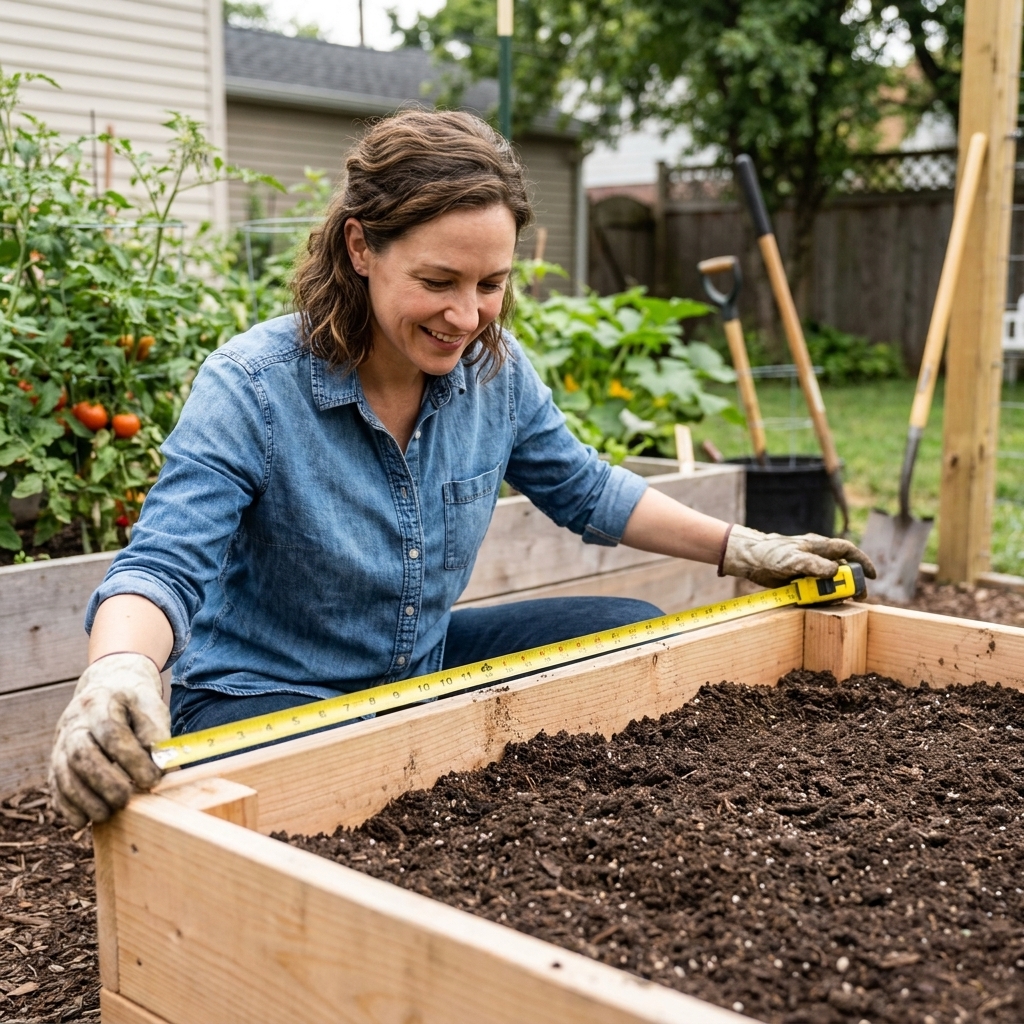

If you have a raised bed that is under eight inches deep, you are not doomed to a sad little salad. I have grown a surprising amount of food in shallow setups, including early patio boxes I built before I understood how much roots like to roam.
The trick is choosing crops that naturally keep most of their roots in the top few inches, then planting them with a cut-and-come-again mindset so you harvest often and keep the bed working.
Quick depth reality check: an open-bottom raised bed that sits on soil is more forgiving than a closed-bottom planter box. If roots can sneak into the ground below, you can push the crop list a bit. If your box is lined or has a solid bottom, stick to the shallowest-rooted choices and be extra consistent with water and feeding.
Before you plant: 3 rules for under-8-inch beds
1) Use a light mix that holds moisture
Shallow beds dry out faster. Aim for soil that stays fluffy but does not turn hydrophobic in summer.
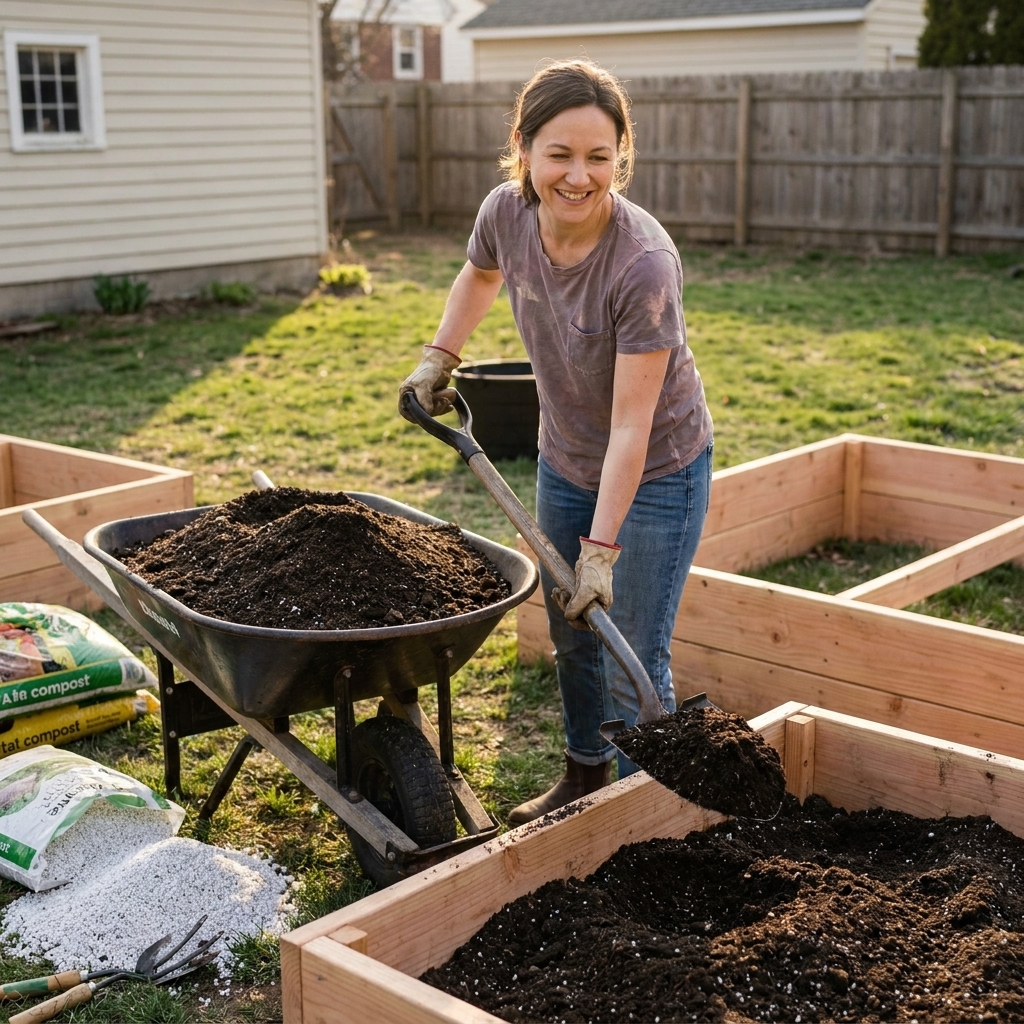
- My simple shallow-bed blend: 1 part quality compost, 1 part coconut coir or peat, and 1 part perlite or pumice. If your compost is mild and crumbly, you can bump it up a bit. If it is very rich, salty, or dense, keep compost closer to one-third and add structure with screened topsoil or pine bark fines. If you are not sure about your compost, start at about 25 to 33 percent and adjust after you see how plants respond.
- Top-dress lightly: A thin dusting (up to 1/4 inch) of compost every 4 to 6 weeks, or whenever growth slows, is usually plenty. Keep compost off the crowns of small plants.
2) Plant a bit denser, then feed gently
High yield in a small, shallow bed comes from snug spacing and steady nutrition. I like a balanced organic fertilizer at planting, then a gentle liquid feed once seedlings are established.
- Easy example: half-strength fish emulsion or a balanced liquid organic fertilizer about every 2 weeks for beds that are being harvested hard. Follow label rates, back off in cool or low-light weather, and only increase frequency if plants start to pale or stall.
- Spacing rules of thumb: baby-leaf greens about 2 inches apart, scallions 1 to 2 inches apart, and radishes 2 inches apart after thinning.
3) Water early and consistently
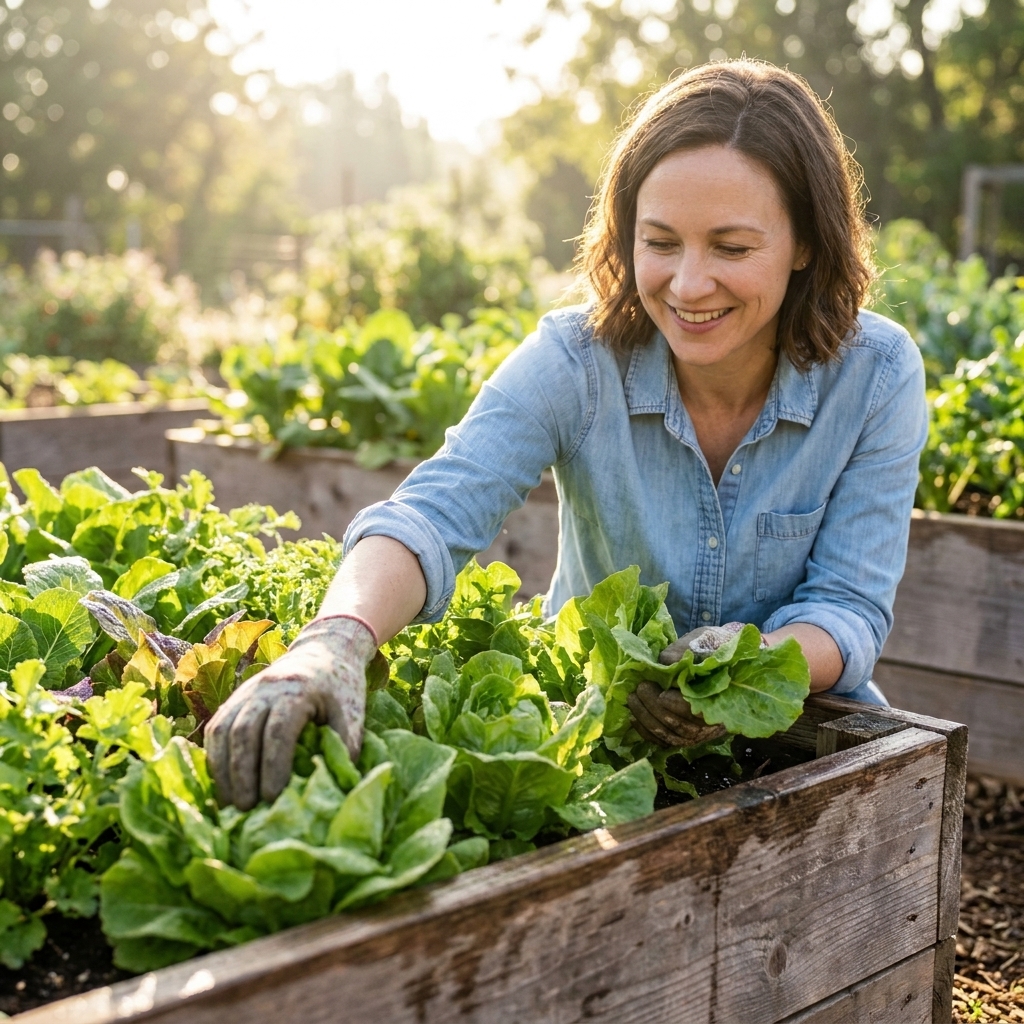
In peak heat, a shallow bed can go from perfect to crispy in a single afternoon. Morning watering and a thin mulch layer (shredded leaves, straw, or untreated grass clippings) makes a huge difference. Shallow beds also heat up faster, so in hot climates spring and fall timing matters even more for greens. When summer gets intense, a simple shade cloth over greens can buy you weeks of extra harvest.
If your bed is open to the ground, take five minutes to remove turf and loosen the top few inches underneath before you set it in place, so roots can actually penetrate. If you have gophers or voles, line the bottom with hardware cloth first.
10 high-yield vegetables for shallow soil
All of these can do well in beds under eight inches deep, especially when you focus on frequent harvests, cool-season timing, and succession planting. Results still depend on heat, cultivar, irrigation consistency, and whether roots can access native soil below.
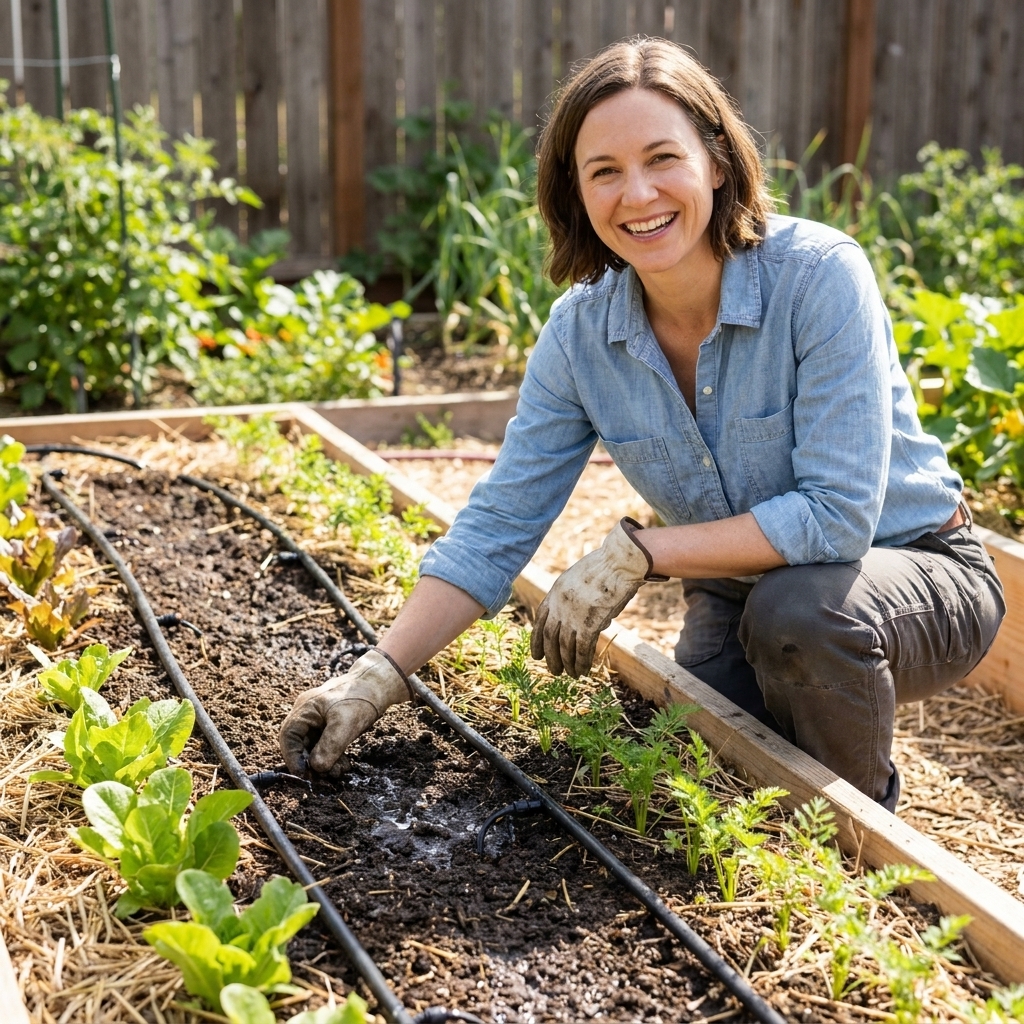
1) Leaf lettuce (looseleaf types)
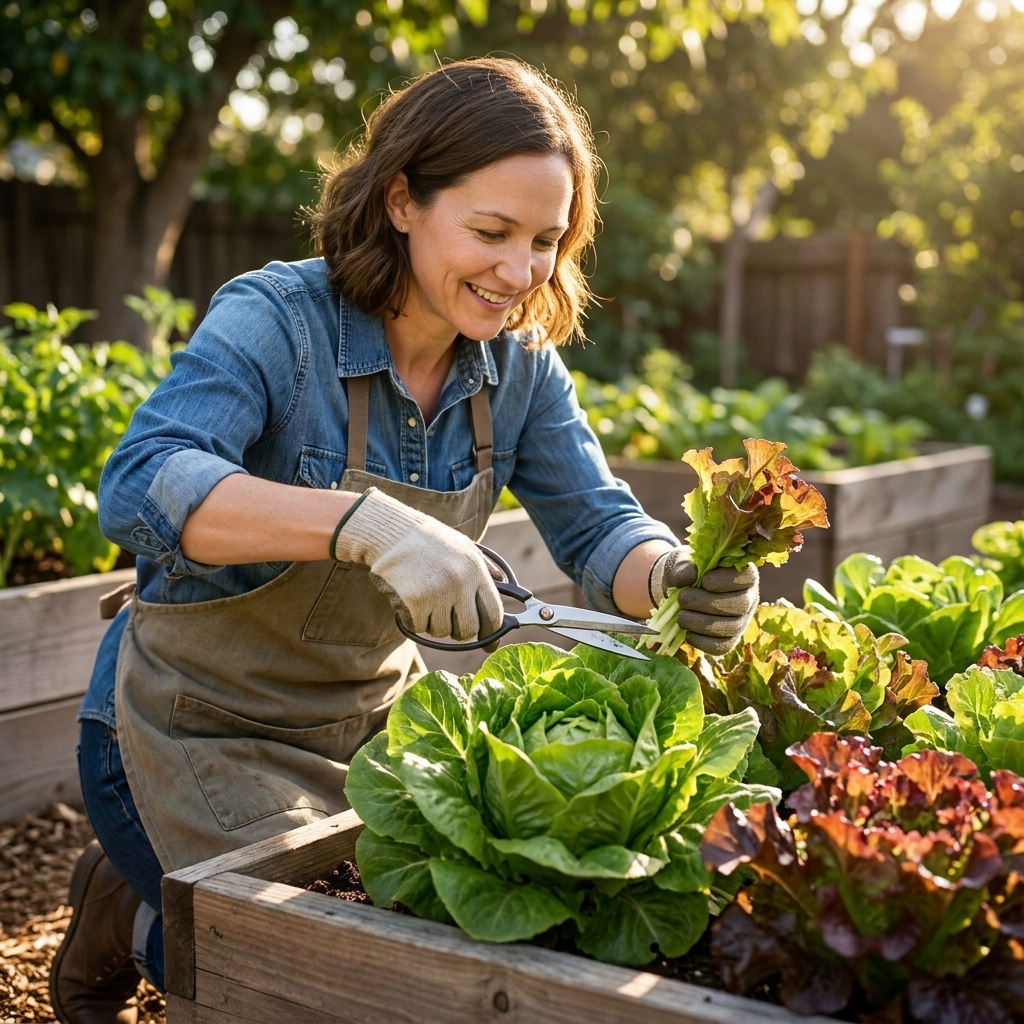
If I could pick one MVP crop for shallow beds, it is looseleaf lettuce. It has a compact root system and rewards you for harvesting often.
- Why it works: Shallow roots, fast growth, and cut-and-come-again harvests.
- How to plant: Sow thickly in bands, then thin by eating the extras.
- Yield tip: Harvest outer leaves weekly instead of pulling whole heads.
2) Spinach
Spinach stays pretty shallow-rooted and produces quickly in cool weather. In a shallow bed, it is happiest in spring and fall, or in light shade during warmer months.
- Why it works: Compact roots and dense planting potential.
- How to plant: Sow every 2 to 3 weeks for steady harvests.
- Yield tip: Keep it growing with consistent moisture so it does not bolt as fast.
3) Arugula
Arugula is my “I-need-greens-yesterday” crop. It germinates quickly, tolerates shallow soil well, and you can cut it multiple times before it gets too spicy.
- Why it works: Very fast, shallow-rooted, repeat harvests.
- How to plant: Broadcast sow, lightly cover, keep damp.
- Yield tip: Cut at 3 to 4 inches tall and let it regrow.
4) Radishes
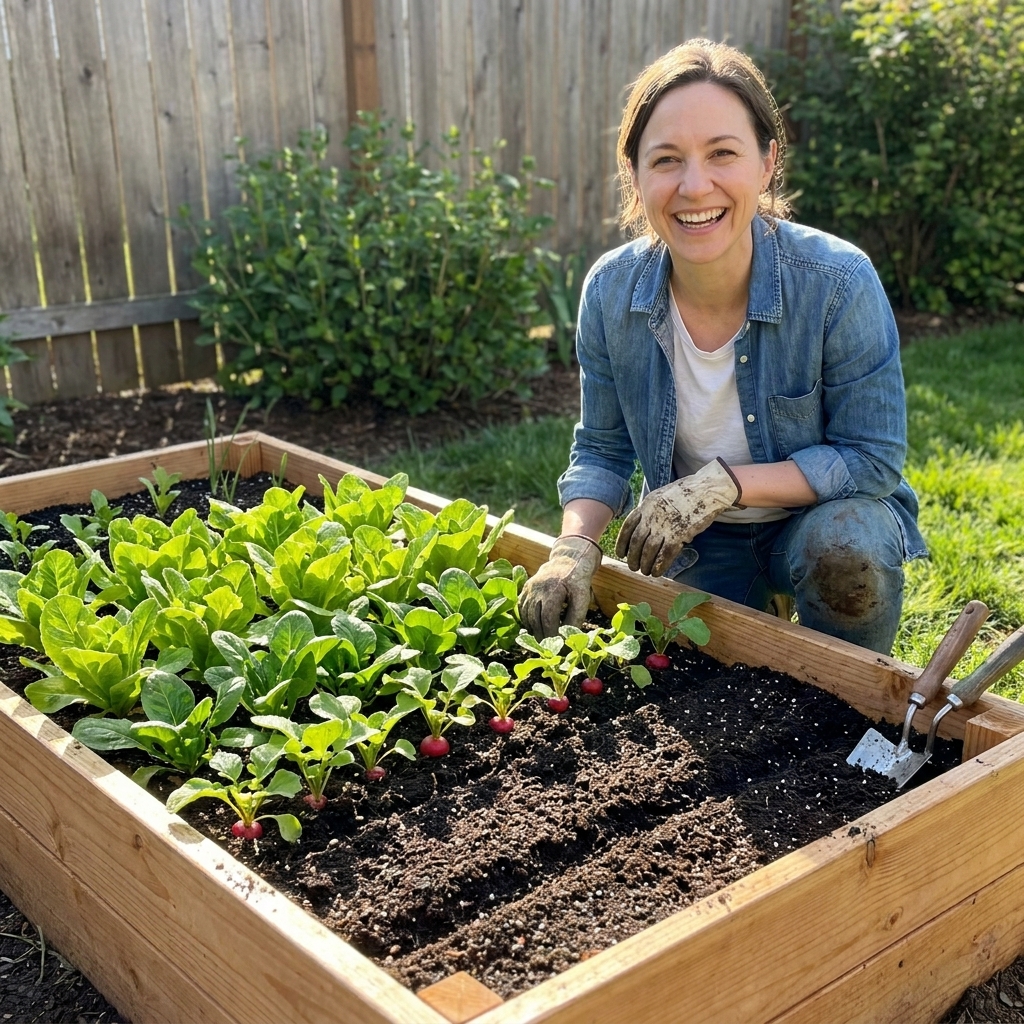
Most round radish varieties do fine in shallow beds because the edible part forms near the surface. They are also fantastic for quick wins and for filling gaps between slower crops, as long as the soil is loose enough for the roots to swell cleanly.
- Why it works: Short season and minimal depth needed for many types.
- How to plant: Direct sow and thin promptly so roots size up.
- Yield tip: Succession plant every 10 to 14 days.
5) Green onions (scallions)
Scallions are a great match for shallow beds. They do not require much root room, and you can harvest them young and often.
- Why it works: Narrow footprint and shallow roots.
- How to plant: Sow in clumps or tight rows for a living border effect.
- Yield tip: Re-sow monthly, or leave a few to thicken and then pull as needed.
6) Chives
Chives are perennial in many climates and behave beautifully in shallow beds. Once established, you can snip them constantly and they bounce right back.
- Why it works: Compact root system and repeated cutting.
- How to plant: Transplants are fastest, but seed works too if you are patient.
- Yield tip: Cut low and fertilize lightly after big harvests.
7) Baby kale
Full-size kale can develop a more substantial root system over time, but baby kale grown as a repeated harvest crop is very shallow-bed friendly.
- Why it works: Harvest young, keep plants small, get frequent yields.
- How to plant: Sow thickly, then harvest by snipping leaves at 3 to 6 inches.
- Yield tip: Think baby-leaf production, not giant plants.
8) Bok choy (baby types)
Baby bok choy is one of my favorite high-yield, small-space crops. Brassicas can root deeper than you might expect, so the shallow-bed trick here is simple: grow baby types and harvest them young. In shallow beds it does best in cooler weather, and it matures fast enough to fit into tight seasonal windows.
- Why it works: Quick turnaround, especially when harvested young.
- How to plant: Direct sow or transplant closely for baby heads.
- Yield tip: Plant in spring and again in late summer for fall harvest.
9) Swiss chard (keep it young)
Chard can get big, but you do not have to let it. In shallow beds, I treat it as a steady leaf producer, harvesting outer leaves regularly and feeding consistently. In very shallow, hot beds, long-term plants may stall, so do not be afraid to re-seed and refresh your patch.
- Why it works: Productive over a long season with ongoing leaf harvest.
- How to plant: Give each plant a bit more elbow room than lettuce.
- Yield tip: Mulch and keep moisture steady to avoid tough leaves.
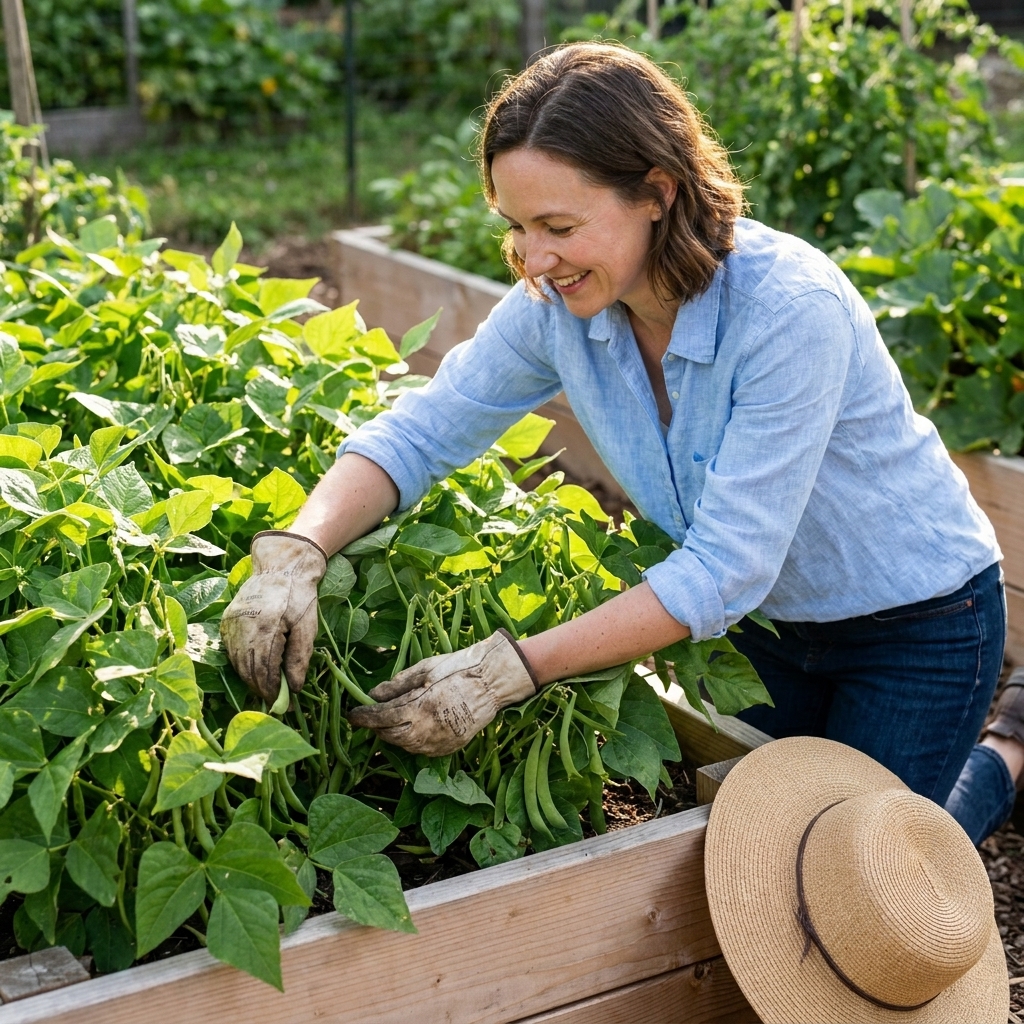
10) Bush beans (best with open bottoms)
Beans are the deepest-rooting crop on this list. You can still get a worthwhile harvest from bush beans in shallow beds, but success is more consistent when the bed is open to native soil. Many growing guides prefer about 10 to 12 inches of depth for best yields, so consider bush beans a “try it and see” crop if you are truly under eight inches and closed-bottom.
- Why it can work: Bush beans produce in a compact footprint and finish quickly.
- How to plant: Direct sow after the soil warms, and keep evenly moist.
- Yield tip: Harvest every other day once they start, and replant for a second wave if your season allows.
My shallow-bed layout
When depth is limited, I like to plant in quick blocks and keep something growing at all times.
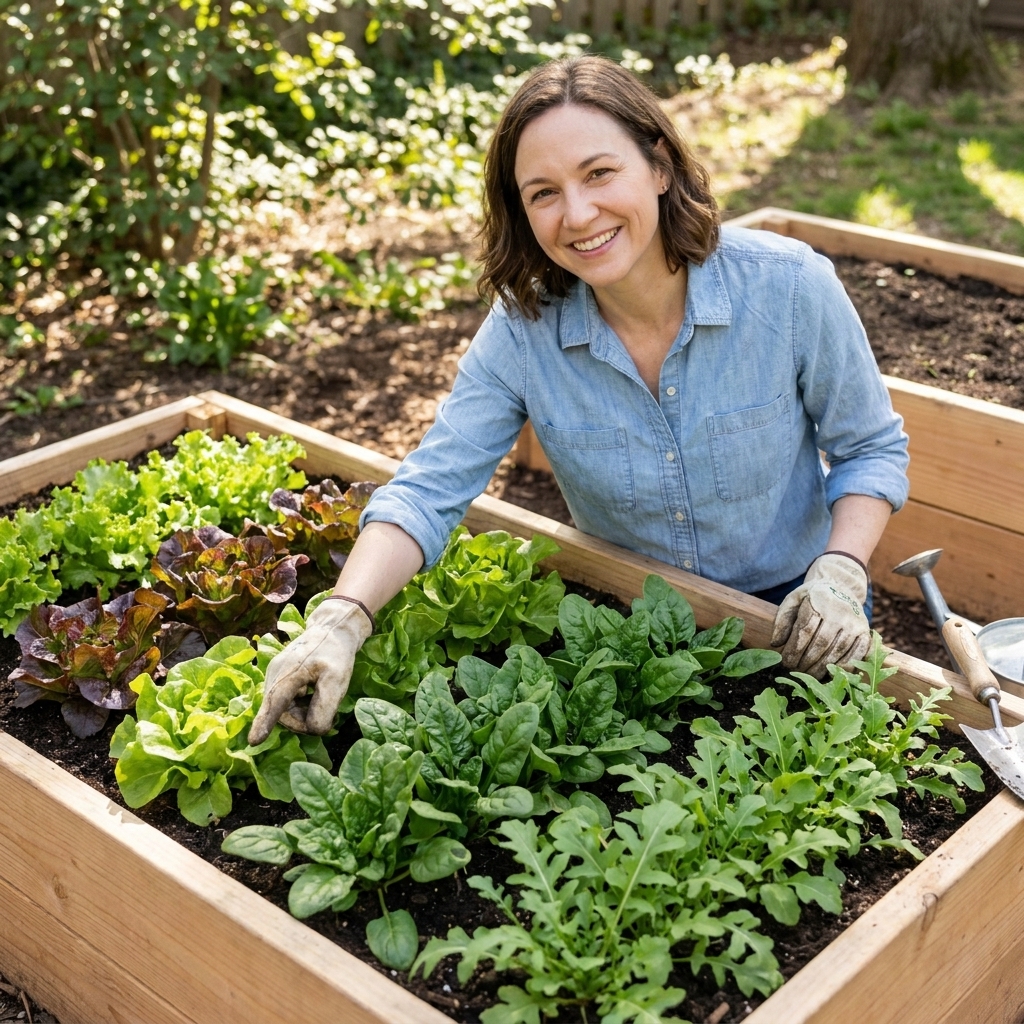
- One half of the bed: cut-and-come-again greens (lettuce, arugula, spinach) seeded every 2 to 3 weeks.
- One quarter: scallions or chives as a permanent edge, plus a radish strip tucked wherever there is room. (Chives can live there for years, so plan that space as a long-term resident.)
- One quarter: a rotation slot for baby bok choy in cool seasons or bush beans in warm season (especially if roots can reach soil below).
If you only do one thing from that list, do this: re-seed a small section regularly. Shallow beds shine when they are never empty.
Common shallow-bed problems
My bed dries out constantly
- Add about 1 inch of mulch.
- Water in the morning and soak thoroughly.
- Consider a simple drip line on a timer during summer.
- Use shade cloth during heat waves, especially for greens.
My greens are small and pale
- Top-dress lightly with compost when growth slows.
- Use a gentle liquid fertilizer (fish emulsion, seaweed, or a balanced organic mix) about every 2 weeks for heavy harvest beds, and ease up if growth gets floppy or the weather turns cool.
- Thin seedlings so they are not competing too tightly.
Everything bolts fast
- Switch to heat-tolerant varieties and grow greens in spring and fall.
- Give afternoon shade if possible, or use shade cloth.
- Keep moisture consistent, since stress triggers bolting.
Something is chewing holes in my leaves
- Slugs and snails: Common in moist, mulched beds. Water in the morning, remove hiding spots, and use traps or iron phosphate bait if needed.
- Flea beetles (often on arugula and bok choy): Use row cover early, or plant in cooler weather when pressure is lower.
FAQ
Is 6 to 8 inches deep enough for vegetables?
Yes, for many quick-growing and leafy crops. Think greens, scallions, radishes, and baby brassicas. Deep-rooted crops like carrots, potatoes, and full-size tomatoes need more depth.
Can I grow carrots in a shallow raised bed?
Not the classic long carrots. Very short or round varieties (like Paris Market or Thumbelina) can work if you have a true 8 inches of loose, stone-free soil and steady moisture. If your bed is under that, I would choose radishes and scallions for more reliable results.
What is the highest-yield choice for shallow beds?
Looseleaf lettuce and arugula are hard to beat because you can harvest them repeatedly and re-seed often.