
When I built my first raised beds on a cramped patio, I picked whatever was cheap and available. That choice taught me an expensive lesson: raised bed material is not just a “looks” decision. It affects how long your bed lasts, how your soil behaves, and even how much babysitting you do during heat waves and surprise cold snaps.
Two of the most common options today are cedar and galvanized steel. Both can grow gorgeous tomatoes and sweet carrots. They just get there differently. Let’s break it down with the stuff that actually matters in a backyard garden: durability, cost, soil safety, and temperature behavior.
Quick comparison
If you like to scan before you commit, here’s the big picture. These are common ranges, not guarantees. Climate, drainage, wood thickness, steel gauge, and coating quality can swing results a lot.
| Feature | Cedar | Galvanized steel |
|---|---|---|
| Typical lifespan | Often ~7 to 15+ years (varies by cedar species, thickness, and how wet the bed stays) | Often ~15 to 30+ years (varies by gauge, galvanizing and paint, and exposure like salt air or standing water) |
| Upfront cost | Often lower for DIY, higher for prebuilt | Often higher upfront, especially for taller beds |
| Soil safety | Naturally rot-resistant; safe when untreated | Generally considered low risk for food gardens; zinc-based coatings can release small amounts over time, especially in acidic soils |
| Temperature behavior | More insulating, slower to heat and cool | Conducts heat and cold faster; can warm earlier and can overheat at the edges in intense sun |
| Best for | Gardeners who want a natural look and easy DIY modifications | Gardeners who want maximum longevity and a crisp, low-maintenance structure |
Durability and lifespan
Cedar: rot-resistant, still wood
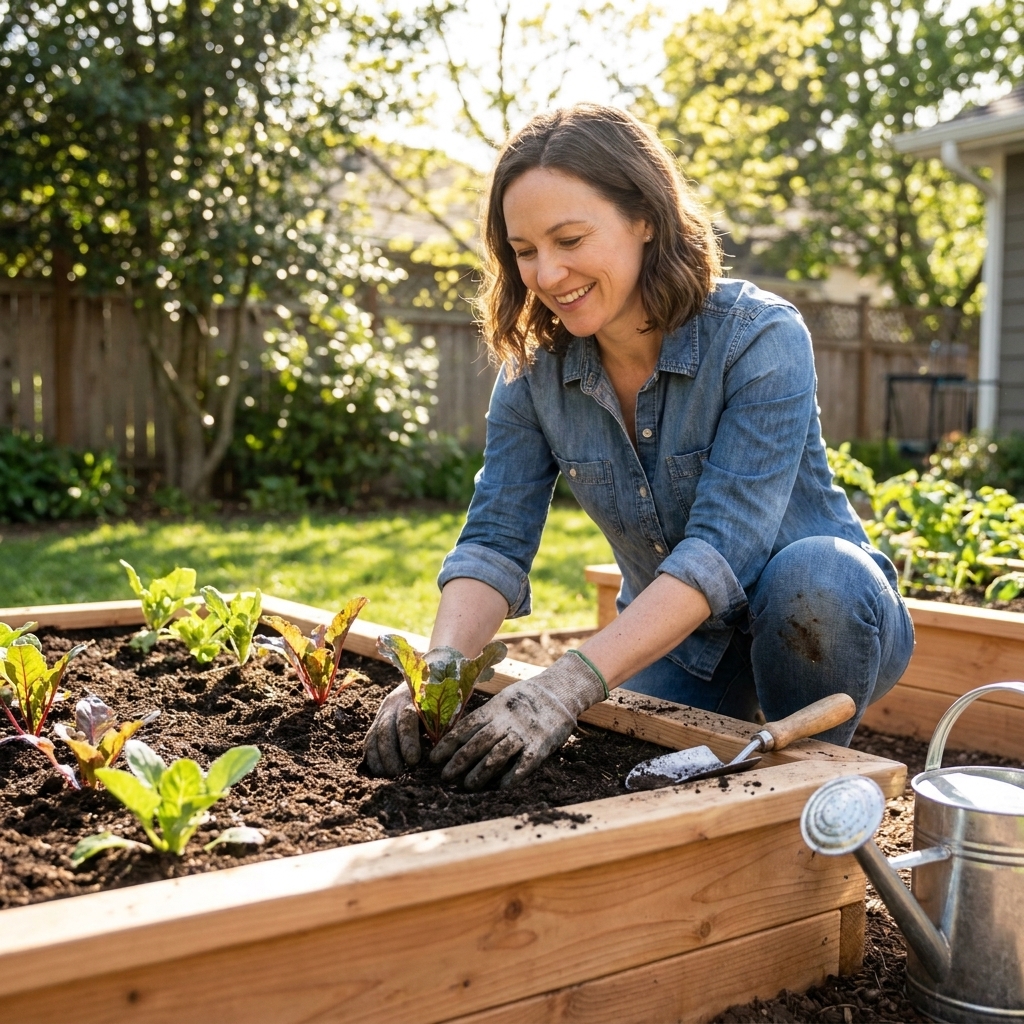
Cedar earns its reputation. It has natural oils that resist rot and insects far better than pine or fir. But “cedar” on the label can mean different things. Western red cedar is the gold standard for outdoor projects. Some lumber yards also sell “cedar tone” or other species that do not hold up the same way.
In raised beds, the boards that fail first are almost always the ones in constant contact with damp soil, especially along the bottom edges and corners.
What makes cedar last longer:
- Thicker boards. A beefy 2-inch wall usually outlives a thinner plank.
- Good drainage and runoff control. If water pools around the bed, cedar rots faster. If you can manage runoff, do. Even small improvements help.
- Keeping soil slightly below the rim. Soil piled to the top stays wetter against the wood.
- Air flow and sun exposure. Beds that stay shaded and damp year-round tend to age faster.
I love cedar because it is forgiving. If a board bows or a corner loosens, you can usually fix it with basic tools. And if you ever want to add a trellis or attach a hoop house, cedar is easy to drill into.
Galvanized steel: built for the long haul
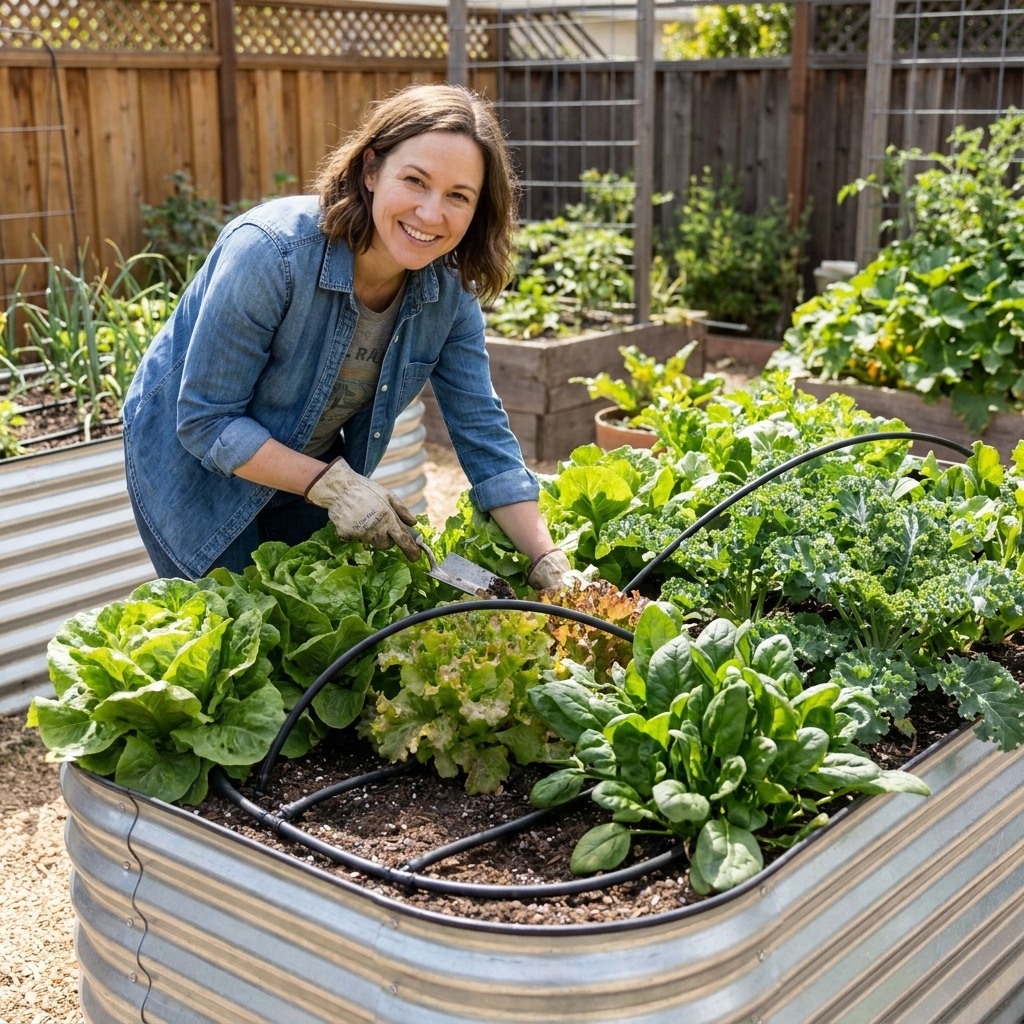
Galvanized steel raised beds are typically corrugated panels with a zinc-based coating that protects the metal from rust. In a well-made bed, the weak points are usually the fasteners, exposed cut edges, and any places where water sits against the metal for long periods.
Steel often does great where wood would rot, but it is not invincible. Coastal salt air, scratched coatings, and constant wet splash zones can shorten steel life too.
What makes steel last longer:
- Heavier gauge panels. Thicker steel holds shape better, especially on taller beds.
- Quality galvanization and finish. Better coatings slow corrosion. Some beds are also powder-coated or use aluminum-zinc style coatings.
- Keeping dissimilar metals separate. Mixing certain metals can increase corrosion at contact points.
- Avoiding constant standing water. Sprinklers that soak one spot daily, or a bed sitting in a puddle, can shorten life over time.
Steel beds shine in wet climates for the simple reason that they do not rot. They also hold their shape exceptionally well, which matters if you want taller beds for deep roots or less bending.
Cost: upfront vs. long-term
Cost is tricky because cedar can be a bargain or a budget buster depending on how you build and where you live.
Cedar costs
DIY cedar is often the cheapest path to a raised bed, especially if you already own a saw and drill. The catch is that “cheap cedar” is frequently thinner, knotty, or made from boards that are more likely to warp.
Also factor in the hidden costs:
- Corner brackets, screws, and braces
- Hardware cloth if you have burrowing pests
- Replacing boards down the road
Steel costs
Steel beds usually cost more upfront, especially taller kits. But they can win on cost per year if you are staying put and want a bed that lasts.
Steel kits can also save time. For many gardeners, time is a real cost. If a kit gets you planting this weekend instead of next month, that is worth something too.
A practical way to decide
If you think you might move within a few years, cedar can be a smart choice because you may not benefit from steel’s full lifespan. If this is your forever garden, steel often pays for itself over time.
Soil safety
This is the part that makes people nervous, and it is worth talking through calmly. The good news is that both materials can be used safely for food gardens when you choose wisely.
Cedar: stick with untreated
For edible gardens, use untreated cedar. Cedar is naturally rot-resistant, so it does not need chemical treatment to perform well in a raised bed.
If you are shopping secondhand or inheriting lumber, be careful. Avoid unknown treated wood, railroad ties, and older materials that may have been treated with chemicals you do not want near your soil.
Galvanized steel: what about zinc?
Galvanized steel is coated with zinc (or a zinc-based alloy) to resist rust. Over time, small amounts can enter the soil, especially in very acidic conditions. Zinc is also a micronutrient plants need in tiny amounts, so the concern is not “any zinc,” it is too much.
In typical raised bed conditions with reasonably neutral soil, galvanized steel is widely used and generally considered low risk for home vegetable gardens. If you want to be cautious, here is what I recommend as a plant nerd who also likes to sleep at night:
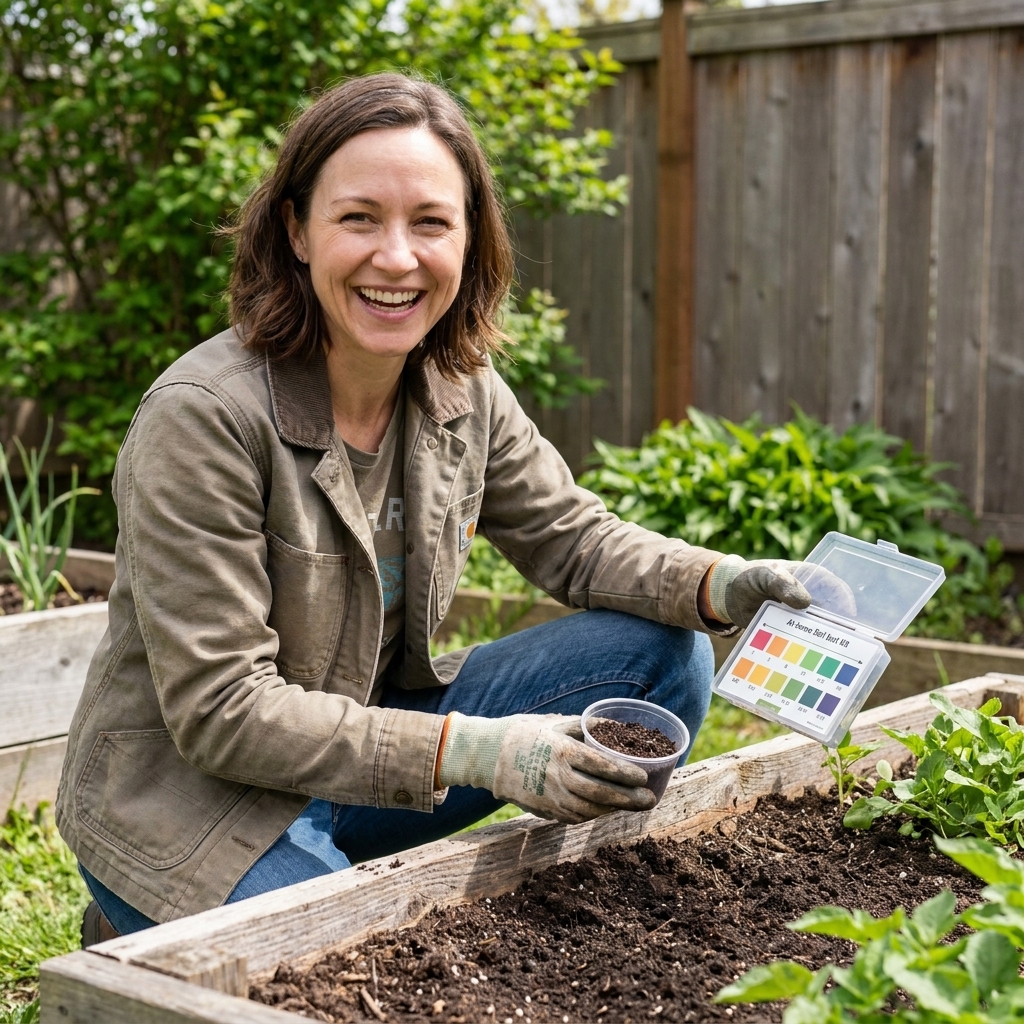
- Keep soil pH in a normal range (roughly 6.0 to 7.5 for most vegetables). Lower pH can increase metal solubility, but pH is not the only factor.
- Buy quality beds from reputable manufacturers and avoid mystery metal with unknown coatings.
- Build healthy, buffered soil. Compost and organic matter help stabilize moisture and nutrient availability, which reduces the odds of weird micronutrient spikes.
If you garden in a naturally acidic region, it is worth testing soil pH once or twice a season anyway, no matter what your bed is made from. It is one of the best low-effort habits you can build.
Temperature behavior
This is where cedar and steel feel the most different in day-to-day gardening.
Cedar: gentler swings
Wood is a better insulator than metal. In practice, that means cedar beds tend to change temperature more slowly. In spring, they may warm a little slower than steel. In summer, they can be less prone to edge-zone root stress in full sun.
If you grow crops that hate heat stress, like lettuce, spinach, cilantro, and peas, cedar can be a calmer environment, especially in a hot, bright yard.
Galvanized steel: fast warm-up
Steel conducts heat and cold quickly. That can be an advantage in spring because the bed can warm earlier, which helps with early sowings and getting transplants moving.
The downside shows up during intense summer sun. Steel walls can get hot to the touch (especially darker finishes), and the soil near the edges can warm more than you expect. That does not make steel beds a no-go in hot climates. It just means you manage them a bit differently.
How to reduce overheating in steel beds:
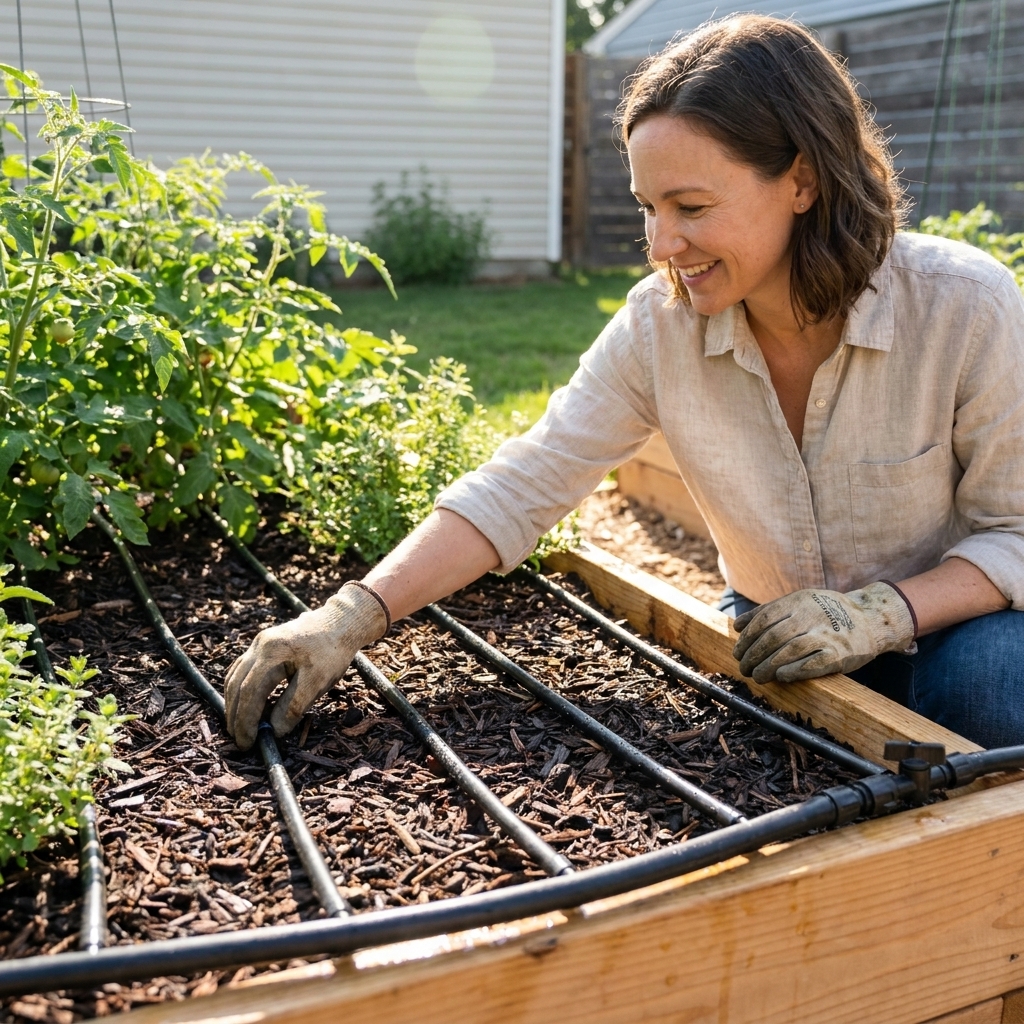
- Mulch the soil surface (straw, shredded leaves, or untreated grass clippings) to reduce evaporation and keep roots cooler.
- Use drip irrigation so watering is consistent and deep.
- Plant with a buffer zone. Put heat-tolerant plants nearer the sides and more sensitive plants toward the center.
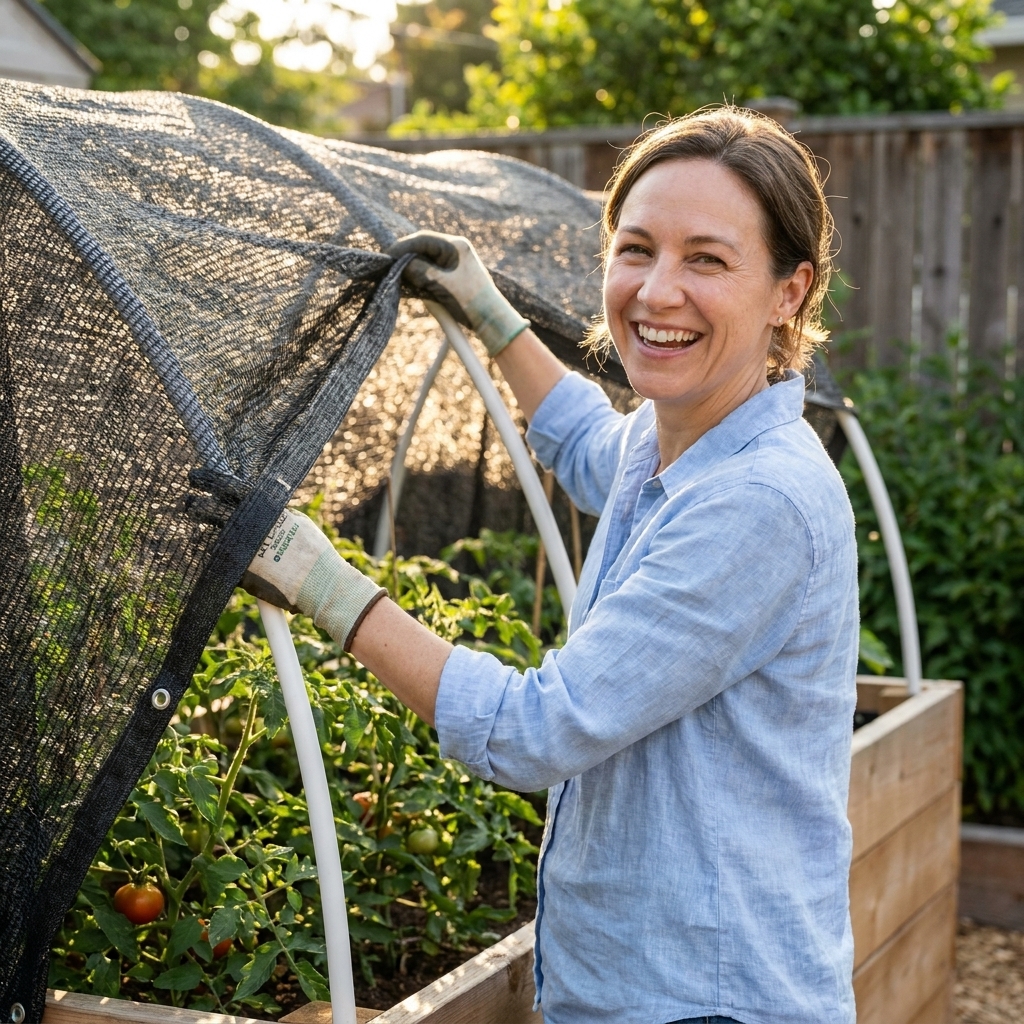
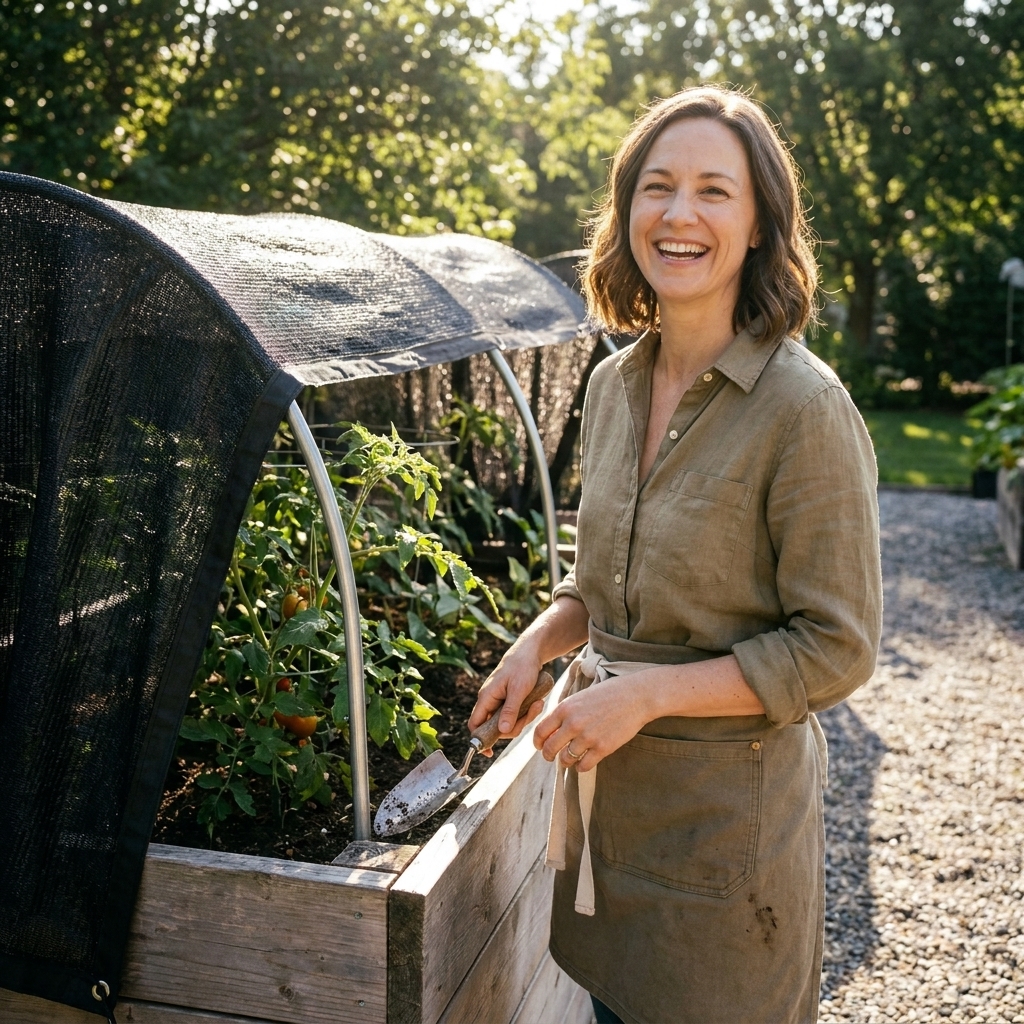
- Add shade cloth during heat waves, especially for greens.
Looks and fit
Cedar style notes
Cedar has that cozy, gardeny look. It blends into cottage gardens, pollinator borders, and most traditional landscaping. It also weathers into a soft gray over time unless you seal it. I usually let it age naturally.
Steel style notes
Steel beds look clean and modern. They pair beautifully with gravel paths and tidy layouts. Practically speaking, steel can make a small space feel more organized because the edges stay crisp and straight.
Install and maintain
Cedar: easy to customize
Cedar is friendly for DIY gardeners. Want to add a trellis, widen a bed, or attach a hinged critter cover? Wood makes it simple.
Maintenance expectations: You may eventually replace a board, tighten screws, or add corner bracing if the bed bulges under wet soil pressure. In freeze-thaw climates, those periodic tighten-ups can matter more as the wood expands and contracts.
Steel: quick setup, fewer repairs
Steel kits are often bolt-together builds. Once assembled, they usually just sit there and do their job. The main “maintenance” is making sure the bed stays level and that irrigation does not constantly soak one area.
Two details to look for:
- Rolled top edge. Your forearms will thank you during harvest season.
- Solid corners and hardware. Good corner design does a lot of the long-term work, especially on taller beds.
Liners and barriers
A quick note because this advice gets passed around a lot: I do not recommend fully lining the inside of a raised bed with plastic. It can trap moisture against the wall, which speeds up rot in wood and can create corrosion trouble spots in metal.
If you are trying to block weeds, use cardboard under the bed. If you are trying to stop burrowing pests, use hardware cloth under the bed. If you are protecting a deck or patio surface, a permeable barrier that still allows drainage is usually a better friend than a watertight liner.
Which should you pick?
Here is the advice I give friends when they are standing in my driveway, coffee in hand, trying to decide.
Choose cedar if you want:
- A natural look that blends into most landscapes
- Easier DIY building and modifications
- More stable soil temperatures in hot summers
- A solid option on a tighter budget, especially if you can build it yourself
Choose galvanized steel if you want:
- Maximum longevity with minimal structural fuss
- Crisp edges and a tidy, modern look
- Taller beds that stay straight and strong
- Earlier spring warm-up in cooler climates
My tiebreaker
If you live where summers are brutal and your beds sit in full sun, cedar is often the more forgiving choice. If you live where moisture and rot are constant enemies, or you just want to build once and be done, galvanized steel is hard to beat. If you are right on the coast with salty air, steel can still work well, but it is worth paying for better coatings and being picky about quality.
FAQs
Does galvanized steel leach into soil?
Zinc-based coatings can release small amounts of zinc over time, and that can increase in very acidic soils. In the pH range most vegetables prefer, galvanized steel is widely used for food gardening and generally considered low risk. If you are concerned, test your soil pH occasionally and buy beds from reputable brands with clear coating specs.
Should I seal cedar for a vegetable bed?
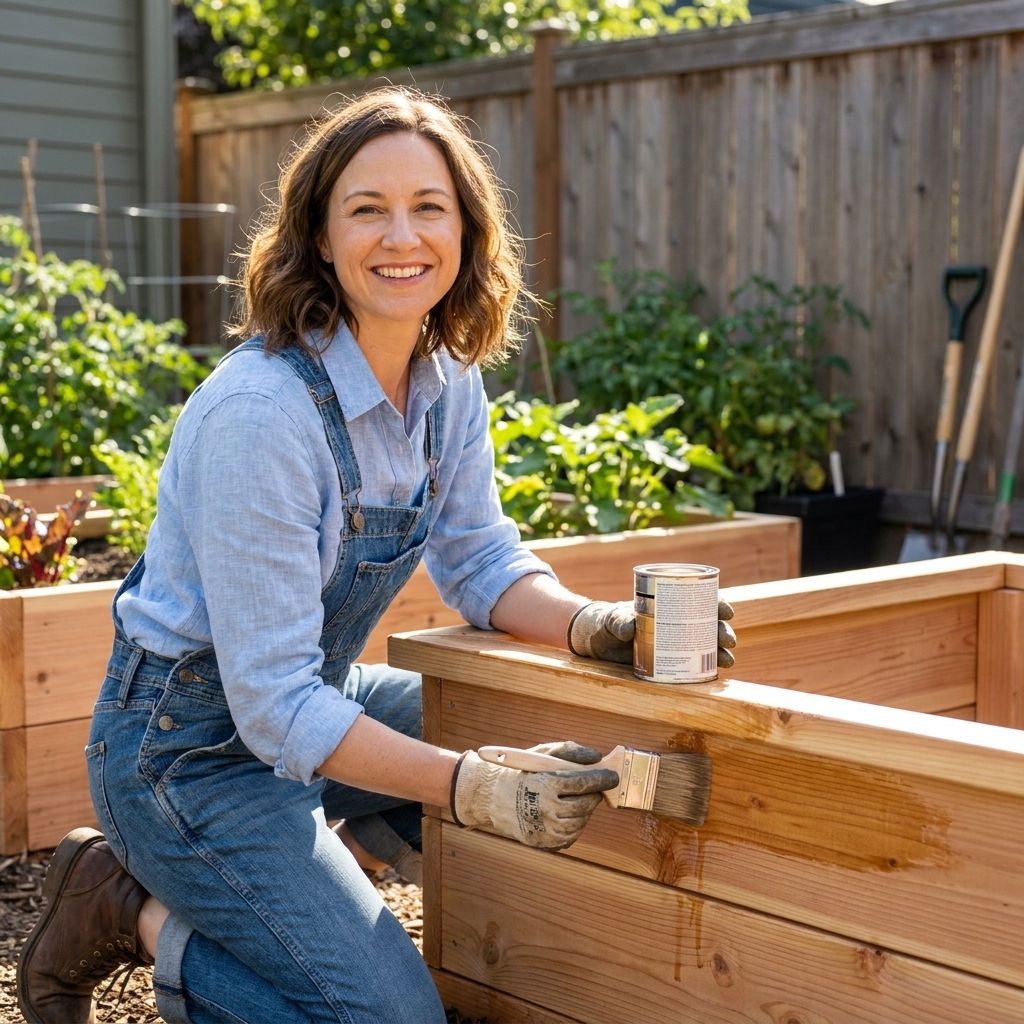
It is not required for cedar to perform well. If you seal, choose a product rated for garden use and avoid anything not meant for contact with soil or edibles. Many gardeners simply let cedar weather naturally.
Which material keeps soil warmer?
Steel tends to warm up faster on sunny days. Cedar is more insulating, so it changes temperature more slowly. In spring that can make steel feel ahead, while in midsummer cedar can be gentler on roots.
Which is better for carrots?
Both work. What matters more is bed depth and soil texture. If you are growing long carrots, aim for deeper beds (or loosen native soil below) and use a stone-free, fluffy mix. Material choice is secondary to soil prep here.
Can I mix materials?
Absolutely. Many productive gardens use a mix, for example steel beds for long-term plantings and tall beds near the house, cedar beds for easy seasonal changes and trellis experiments.